Alerts

-
7 minutes, 39 seconds
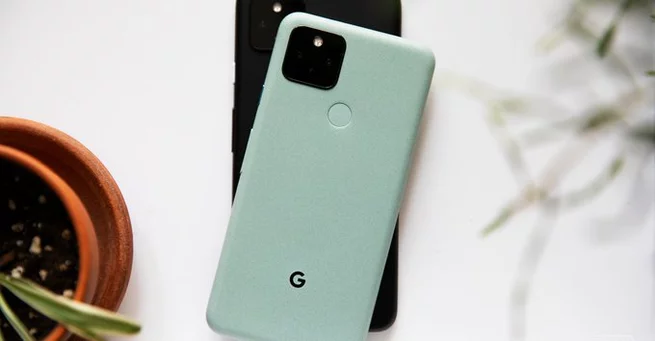
Google has disabled the Take a Message feature on older Pixel phones after confirming a rare but concerning audio bug. The issue affected some Pixel 4 and Pixel 5 devices, where microphones could activate during missed calls, allowing callers to hear background sounds. Many users searching for answers want to know which devices are affected, why the feature was turned off, and whether it will return. Here’s what happened, what it means for Pixel owners, and what options remain available.
Take a Message was designed to make missed calls less stressful. When enabled, the feature automatically answers a call, transcribes the message, and stores it for later review. However, a small number of users reported something far more unsettling. Instead of simply recording a voicemail, their phones appeared to activate the microphone and transmit live background audio to callers.
According to Google, the bug only appeared under very specific and rare conditions. Even so, the company chose to act quickly. Rather than risk further privacy concerns, Google disabled Take a Message entirely on Pixel 4 and Pixel 5 devices. The decision also extends to newer Call Screen capabilities tied closely to the same system behavior.
The change applies specifically to Pixel 4, Pixel 4 XL, Pixel 4A 5G, and Pixel 5 models. Newer Pixel devices are not affected by this action. Google emphasized that the issue impacts only a very small subset of older phones, but did not share exact numbers.
For users still running these models, the update may feel abrupt. Take a Message was introduced as a modern alternative to traditional voicemail, and many relied on it daily. Still, Google framed the move as a precautionary step rather than evidence of a widespread flaw.
Reports from affected users describe a troubling experience. After missing a call, the phone did not play the usual voicemail greeting. Instead, callers could hear room noise, conversations, or other background sounds. Some users noticed the microphone privacy indicator light up even though they never touched the device.
From the user’s perspective, it felt as if the call had been answered silently. The phone appeared to record ambient audio and send it back to the caller in real time. While this did not happen consistently, the unpredictability of the bug made it especially alarming for privacy-conscious users.
Google acknowledged the issue after investigating user reports. The company stated that the bug was confirmed but extremely rare. Despite the limited scope, Google chose to disable the feature out of an abundance of caution.
This response aligns with growing expectations around user privacy and transparency. Audio-related bugs carry a high level of sensitivity, even when they affect only a small group. By disabling Take a Message and related Call Screen features on older hardware, Google aimed to prevent any chance of accidental audio exposure.
Although Take a Message is now unavailable on Pixel 4 and Pixel 5 devices, users are not left without options. Manual and automatic Call Screening features remain functional, allowing users to filter spam and unknown calls. Carrier voicemail services are also unaffected and continue to work as expected.
For some users, this may mean reverting to a more traditional voicemail experience. While less advanced, it avoids the risk tied to automated answering features. Google has not announced any additional changes to calling features on these devices beyond the current disablement.
At this stage, Google has not confirmed whether Take a Message will be restored on Pixel 4 and Pixel 5 devices. The company has not described the change as permanent, but it also has not offered a timeline for a fix. That uncertainty leaves many users wondering whether older hardware limitations played a role.
It’s possible that restoring the feature would require deeper system changes or updates that may not be practical for aging devices. For now, Google appears focused on preventing further issues rather than promising a return.
This incident highlights how even well-intentioned features can raise privacy concerns when something goes wrong. Automated call handling relies heavily on microphones, background processing, and system permissions. When any part of that chain fails, user trust can be shaken quickly.
By acting decisively, Google signals that privacy safeguards remain a priority, even for older devices. While disabling features is never popular, the move may help reassure users that potential risks are taken seriously rather than ignored.
Pixel 4 and Pixel 5 models are approaching the later stages of their software support lifecycle. As phones age, maintaining advanced features becomes more complex. This situation may foreshadow a future where certain next-generation capabilities remain exclusive to newer hardware.
For users still holding onto older Pixels, the takeaway is mixed. On one hand, Google continues to monitor and address issues. On the other, some features may quietly disappear in the name of safety and stability.
In the end, Google disables Take a Message on older Pixel phones not because the feature failed broadly, but because even rare privacy risks carry serious weight. For Pixel 4 and Pixel 5 owners, the focus now shifts to safer alternatives and waiting to see whether the feature ever makes a return.









Comment