
-
4 minutes, 45 seconds
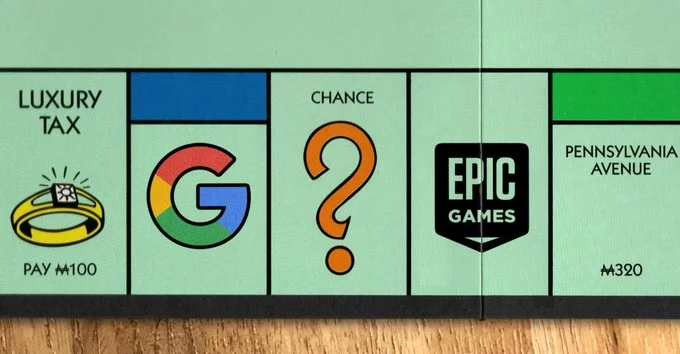
Google is shaking up the Android ecosystem, cutting its standard app store fees from 30% to 20% or less across key markets. This move comes ahead of a proposed settlement with Epic Games and signals a major shift for developers and users alike. By making these changes immediately, Google is giving app creators more freedom while addressing long-standing criticism about Play Store fees and restrictions.
For developers, this could mean higher revenue, more billing flexibility, and a path to expanding apps outside the Play Store’s traditional limits. For users, the changes could make downloading apps safer, faster, and more affordable.
By June 30, 2026, Google will lower most Play Store fees in the US, UK, and European Economic Area to 20% or less. Later this year, the fee reductions will expand globally, including Australia by September, Korea and Japan by December, and the rest of the world by September 30, 2027.
Google is also separating “service fees” from “billing fees,” allowing developers to pass on the savings for in-app purchases. This distinction ensures more transparent pricing and makes it easier for developers to offer discounts or alternative payment options.
One of the biggest shifts is the upcoming “Registered App Stores” program. By the end of 2026, Android users outside the US will be able to download third-party app stores—like Epic’s—directly from the web, bypassing the previous restrictions Google had in place.
This change reduces friction for users who want alternative app marketplaces and gives developers additional channels to reach their audience. The move could challenge Google’s long-standing dominance while giving smaller app stores a chance to compete.
Google will allow app developers to offer their own billing systems alongside Google Play’s payment system. While Google will still retain a portion of fees for certain transactions, developers can now provide lower-cost alternatives for in-app purchases.
For example, apps can charge between 2%–20% for external purchases instead of the standard Play Store rate. Programs like “Games Level-Up” and “Apps Experience” reward developers with better rates if they participate, giving early adopters an opportunity to maximize revenue.
Google has outlined a clear rollout schedule for these changes:
By June 30, 2026: US, UK, and EEA fee reductions take effect
By September 30, 2026: Australia joins the update
By December 31, 2026: Korea and Japan see new fee structures
By September 30, 2027: Updates extend to all remaining markets
Additionally, the updated Games Level-Up and App Experience programs will launch by September 30, 2026, in major regions and expand globally alongside the fee changes.
For developers, these updates could be transformative. Lower fees, the ability to use multiple billing options, and the opening of third-party app stores can increase revenue and broaden market reach.
For users, this could lead to more affordable apps, alternative marketplaces, and less restrictive app installation options. The changes signal Google’s willingness to adapt under regulatory pressure and developer feedback, reshaping the Android ecosystem for the next decade.
Overall, Google’s proactive approach demonstrates that major tech companies can pivot quickly when faced with industry criticism and legal pressure. Android’s app marketplace is evolving, and developers and users are positioned to benefit from the increased flexibility and lower costs.

2.6K articles

1.4K articles

34 articles

28 articles














Comment