
Alerts
-
5 minutes, 20 seconds
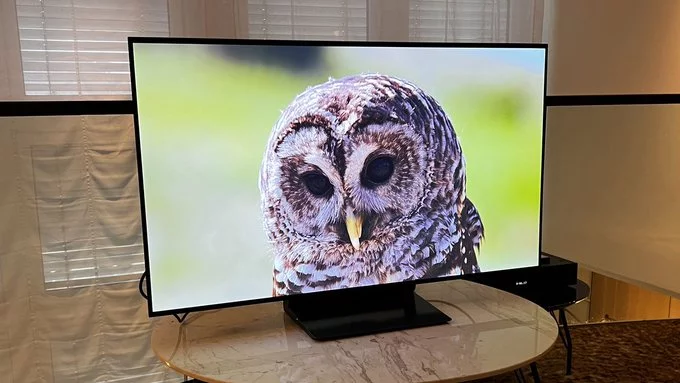
Search interest around Chromecast replacement and Samsung’s latest smart TV update has surged as users ask what Google Cast support Samsung TVs means for everyday streaming in 2026. The rollout allows many Samsung television models to stream video, apps, and music directly from Android devices without extra hardware. This update removes the need for a separate casting dongle and simplifies how users connect phones to TVs. It signals a broader shift toward built-in casting features becoming standard across smart TV platforms.
Samsung’s decision to expand Google Cast integration reflects a growing push toward software-based television ecosystems. Instead of relying on external devices, users can now cast content directly from supported apps with a single tap. This improves speed, reduces setup friction, and enhances compatibility across devices. It also makes older Chromecast-style hardware less essential for casual streaming users.
Streaming habits are evolving as consumers demand simpler, more integrated solutions. Smart TV manufacturers are responding by embedding casting technology directly into operating systems. This reduces dependence on physical streaming sticks and creates a more unified experience across platforms. For many households, this means fewer devices and smoother entertainment access.
For Samsung TV owners, the update brings immediate convenience and improved device compatibility. Users can stream videos, share photos, or mirror apps from their phones without installing additional software. The feature works across most modern Android devices, making it widely accessible. It also strengthens Samsung’s position in the competitive smart TV market.
This rollout highlights a major shift in how smart TV ecosystems compete in 2026. Instead of focusing on hardware add-ons, companies are prioritizing software updates and native integrations. This approach improves long-term device value and encourages users to stay within updated ecosystems rather than upgrading hardware frequently.
Ultimately, the arrival of Google Cast support on Samsung TVs represents more than a simple feature update. It marks a transition toward a more open and flexible streaming future where users expect seamless connectivity between devices and services across brands and platforms. As smart homes continue to expand integration like this reduces friction and improves daily digital experiences for millions of users worldwide. It also reflects how competition in the television industry has shifted from pure hardware innovation to software driven ecosystems that can be updated continuously over time. Manufacturers are increasingly focused on delivering value through software improvements rather than forcing users into frequent hardware replacement cycles. This benefits consumers by extending the lifespan of their existing devices and reducing electronic waste while still providing new features through updates. The decision to offer Google Cast support without additional cost also reinforces a consumer friendly approach that prioritizes accessibility and ease of use rather than monetizing basic functionality. For many users this will mean a noticeable improvement in how quickly they can start watching content and how reliably their devices connect to mobile phones and apps. It reduces dependence on extra hardware and simplifies the entire setup process in home entertainment systems. As more manufacturers adopt similar approaches the market will likely become more standardized making it easier for consumers to switch between brands without losing key features. This shift could also encourage greater innovation in user interface design and cross platform compatibility setting the stage for the next generation of smart television experiences that are more intuitive connected and adaptive to user needs in real time and future ready experiences that align with evolving consumer expectations in global markets including emerging regions where affordable streaming access is rapidly expanding moment signals a defining step in the ongoing evolution of connected television technology that will continue shaping how people watch and share content.








Comment