


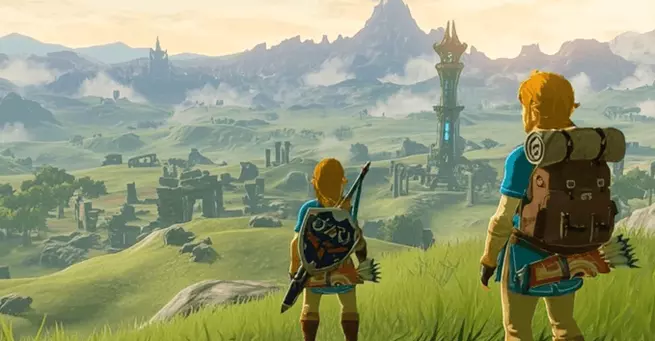
Google AI Project Genie Turns Game Nostalgia Into Chaotic Fun
Google AI Project Genie is raising eyebrows for an unexpected reason: it lets users create strange, low-quality knockoffs of famous game worlds—and somehow, that’s exactly what makes it fun. Within minutes, prompts can turn into interactive 3D spaces that resemble beloved platformers and adventure games, albeit in rough, glitchy form. Many people searching for what Project Genie does, how it works, and whether it’s actually usable will find a clear answer early on: it’s experimental, imperfect, and surprisingly entertaining. Rather than polished results, the tool delivers playful creativity and insight into where AI-generated worlds may be headed next.
What Google AI Project Genie Actually Does
Project Genie is an experimental AI tool designed to generate interactive virtual environments from simple text or image prompts. Instead of producing static images or videos, it builds explorable 3D spaces that users can move through and interact with. These environments feel like early game prototypes rather than finished products, filled with odd physics, visual shortcuts, and unexpected glitches. That roughness is not a bug—it’s part of the experience that makes experimenting feel low-pressure and fun. The goal is exploration, not perfection.
From Prompts to Playable Worlds in Minutes
Using Project Genie is surprisingly simple for a tool built on advanced AI models. A short description or reference image can prompt the system to generate terrain, characters, and basic interactions almost instantly. The resulting worlds often feel familiar, echoing classic gaming styles without copying any single title exactly. Players might recognize floating platforms, cartoonish landscapes, or awkward character movement. The joy comes from seeing how the AI interprets vague ideas into something playable, even if the result borders on absurd.
Why Imperfect AI Worlds Are More Fun Than Polished Ones
One of the most unexpected strengths of Google AI Project Genie is how enjoyable its imperfections are. The worlds are often unbalanced, visually inconsistent, and mechanically odd. Instead of breaking immersion, these flaws spark curiosity and laughter. Users tend to experiment more freely when the stakes are low and the outcome is unpredictable. This playful chaos highlights a key lesson in AI creativity: sometimes rough tools inspire more imagination than flawless ones.
A Testbed for AI “World Models”
Behind the scenes, Project Genie is part of a broader push to develop AI systems capable of understanding and generating entire environments. These so-called “world models” aim to simulate how spaces look, behave, and respond to interaction. By releasing Project Genie in an early, experimental state, Google can observe how real people use it outside controlled demos. Every strange use case and unexpected creation helps researchers understand what works and what needs improvement. It’s less about showcasing power and more about learning through play.
Creative Uses Beyond Gaming
Although game-like worlds grab the most attention, Project Genie’s potential goes further. The tool could help visualize scenes for storytelling, animation planning, or interactive learning experiences. A simple object or idea could become a space to explore rather than just an image to view. Educators, designers, and hobbyists may find value in quickly prototyping environments without advanced technical skills. The current results are basic, but they hint at broader creative applications down the line.
Why Google Wants People to Experiment Freely
Google’s decision to release Project Genie in this early form reflects a growing trend in AI development. Instead of waiting for perfect outputs, companies are learning by watching how users push tools in unexpected directions. Many of the most interesting uses are unplanned, emerging from playful misuse rather than official demos. This feedback loop helps shape future versions of the technology. It also builds trust by showing the tool’s limitations alongside its potential.
What Project Genie Says About the Future of AI Creativity
Project Genie offers a glimpse into a future where AI-generated worlds are common, flexible, and user-driven. Today’s awkward environments may evolve into richer, more responsive spaces tomorrow. Even now, the tool demonstrates how quickly ideas can turn into interactive experiences. That speed lowers the barrier to creativity, allowing more people to experiment with world-building concepts. The excitement lies not in what Project Genie does perfectly, but in what it suggests is coming next.
The Takeaway: Fun First, Polish Later
Google AI Project Genie is not about delivering finished games or professional-grade worlds. Its value comes from experimentation, humor, and discovery. By embracing its flaws, users uncover new ways to think about creativity and interaction. The tool proves that AI doesn’t always need to be serious or precise to be meaningful. Sometimes, the most memorable experiences come from playful chaos—and Project Genie delivers plenty of that.


Array