
Alerts
-
3 minutes, 33 seconds
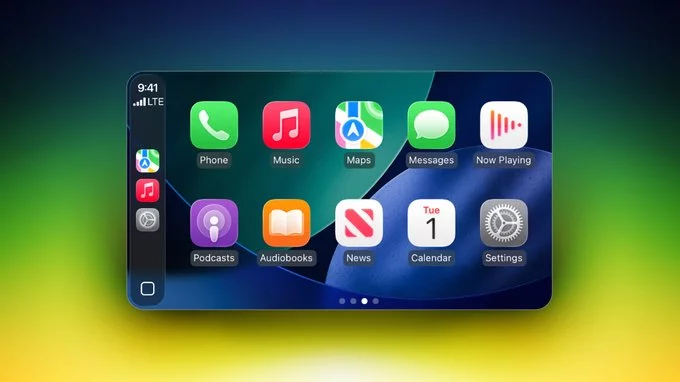
General Motors has confirmed it has no intention of reversing its decision to phase out Apple CarPlay in its future electric vehicles. The automaker first signalled the move in 2023, and executives have since reiterated that the strategy remains firmly in place.
Instead of relying on phone mirroring, GM is developing its own built-in infotainment system, created in partnership with Google. The system runs on Google's automotive platform and is designed to handle navigation, voice assistance, and app access directly through the vehicle, without a paired smartphone.
The company has framed the change as a way to deliver a more integrated and consistent experience, arguing that native software allows it to collect data and push over-the-air updates more effectively. GM has also pointed to safety and reliability benefits, claiming its own system reduces distraction compared with third-party interfaces.
Notably, the phase-out applies to electric models rather than the entire lineup. GM has indicated that gasoline-powered vehicles will continue to offer Apple CarPlay, giving buyers a choice depending on the model they purchase.
GM's reasoning centres on control over the in-car experience. As the automaker moves toward electric vehicles, it argues that its own infotainment system will be better integrated with the vehicle than a phone-mirroring feature like CarPlay. GM has said that removing CarPlay allows it to collect more data on how drivers use their vehicles, which it can then use to improve features and offer new services.
Another factor is cost and strategy. By building its own system, GM avoids depending on Apple and Google for core functionality, and it can potentially generate revenue through subscriptions and in-car purchases. GM has also pointed to safety concerns, claiming that its native system reduces distraction by keeping certain functions within the vehicle's own interface rather than requiring drivers to switch between phone and car displays.
Critically, GM has not framed this as a permanent rejection of CarPlay across its entire lineup. The company has indicated it may reconsider the decision if customer feedback is strongly negative, leaving the door open to restoring the feature in future models.
The CarPlay removal does not apply to every GM vehicle equally. It affects the company's future electric vehicles built on its Ultium platform, which will rely on GM's own infotainment system instead.
According to the source article, the affected models include:
These Ultium-based EVs are the first wave of GM products to ship without Apple CarPlay. The change is tied to the new infotainment approach rather than to any single model, so as more Ultium EVs arrive, they are expected to follow the same path.
Importantly, the shift does not affect GM's existing gasoline-powered vehicles or its current EVs that already offer CarPlay. Drivers of those vehicles will continue to use Apple's system as before. The removal is specifically a forward-looking decision for the next generation of GM electric vehicles, not a retroactive change to cars already on the road.
For drivers who have grown accustomed to Apple CarPlay, GM's decision represents a significant change in how they interact with their vehicles. CarPlay has long been a familiar way to access navigation, messaging, music, and other phone-based apps through the car's infotainment screen, so its removal from future GM EVs will require an adjustment.
Instead of mirroring a smartphone interface, GM's built-in system will rely on Google's automotive platform. That means drivers will use Google Maps and Google Assistant for navigation and voice commands rather than Apple's equivalents. Those who prefer Apple's ecosystem — including iPhone users who depend on Siri, Apple Maps, or iMessage — may find the transition less seamless.
It is worth noting that the change applies specifically to GM's electric vehicles, not the company's entire lineup. Drivers of gas-powered GM models are unaffected for now. Still, for EV buyers who consider CarPlay a must-have feature, this shift could influence their purchasing decisions and push them to consider brands that continue to offer the familiar Apple experience.










Comment