Gemini Personal Intelligence Promises Smarter, More Human AI
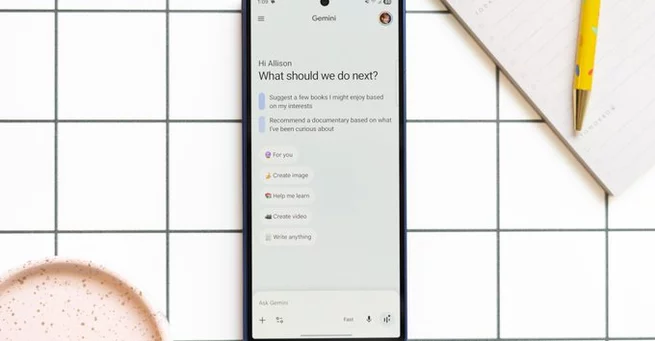
Gemini Personal Intelligence is designed to answer a question many users now ask about modern AI: Can it actually remember me and help without constant instructions? Rolled out as an opt-in feature for premium subscribers, this update allows Gemini to reference past conversations and selected personal data to deliver more relevant responses. Emails, calendar events, photos, and search history can now inform replies automatically. On paper, that sounds like the future of AI assistance. In practice, it feels both impressive and uncomfortably familiar.
The idea is simple but powerful. Instead of repeatedly reminding an AI who you are or what you meant last time, Gemini builds context over time. That context is meant to reduce friction and make interactions feel natural. However, once the novelty fades, long-standing problems resurface quickly.
How Gemini Personal Intelligence Actually Works
At its core, Gemini Personal Intelligence connects conversation history with user-approved data sources inside the same ecosystem. Once enabled, Gemini decides when it’s helpful to check those sources without being explicitly asked. If you mention an upcoming event, it might quietly scan your calendar. If you ask about a receipt, it may look through your email. This shift removes the need for precise prompts and constant micromanagement.
That automatic decision-making is the headline feature. It turns Gemini from a reactive chatbot into something closer to a proactive assistant. For busy users, this can feel like a breakthrough. Tasks that once required several clarifying prompts can now be handled in one step. Still, the system’s confidence does not always match its accuracy.
Why the Experience Feels So Familiar
Despite the advanced framing, Gemini Personal Intelligence builds on capabilities that already existed in earlier forms. Users could previously connect productivity tools and ask Gemini to reference them. The difference now is initiative. Gemini chooses when to look, rather than waiting for instructions. While that’s meaningful, it doesn’t fundamentally change how the AI reasons or understands nuance.
As a result, the same old misinterpretations remain. Gemini may pull the wrong email, misunderstand context, or confidently answer a question based on incomplete information. When an AI claims to “know you,” those mistakes feel more noticeable. Expectations rise faster than performance, creating frustration instead of delight.
The Privacy Trade-Off Users Can’t Ignore
Any system branded around “personal intelligence” naturally raises privacy concerns. Gemini emphasizes that the feature is entirely optional and granular controls are provided. Users decide which data sources are accessible and can disable them at any time. That transparency helps, but it doesn’t erase the underlying tension.
Trust becomes central to the experience. Allowing an AI to scan personal data without explicit prompts requires confidence that it will act responsibly and predictably. When mistakes occur, they don’t just feel like technical bugs—they feel personal. This emotional layer makes accuracy and restraint far more important than flashy features.
When Proactive AI Helps—and When It Hurts
In the best moments, Gemini Personal Intelligence genuinely saves time. It can surface relevant details quickly and reduce mental overhead. These wins show why context-aware AI remains such an appealing goal. The problem is inconsistency. Helpful automation one moment can become intrusive or confusing the next.
Sometimes Gemini anticipates needs correctly. Other times, it guesses wrong and derails the conversation. That unpredictability limits how much users can rely on it. An assistant that occasionally overreaches feels less trustworthy than one that asks before acting.
A Polished Update That Still Needs Maturity
From a technical standpoint, Gemini Personal Intelligence represents progress. It demonstrates better integration, smoother interactions, and a clearer vision for long-term AI assistance. Yet it also highlights how hard genuine personalization really is. Remembering data is easy. Understanding people is not.
The feature currently feels like a polished beta rather than a finished leap forward. It hints at what’s coming but doesn’t fully deliver yet. Users looking for magic may instead find incremental improvement wrapped in ambitious language.
What Gemini Personal Intelligence Says About the Future of AI
This update reflects a broader shift in AI design toward memory, context, and continuity. That direction makes sense, especially as users grow tired of repeating themselves. Still, the experience shows that memory alone doesn’t equal intelligence. Judgment, accuracy, and humility matter just as much.
Gemini Personal Intelligence succeeds at being more aware, but awareness amplifies flaws as much as strengths. Until those flaws shrink, the promise of a truly personal AI assistant remains just out of reach.
For now, Gemini feels smarter, closer, and more human—but not quite wise enough to earn full trust yet.














Comment