Alerts

-
6 minutes, 59 seconds
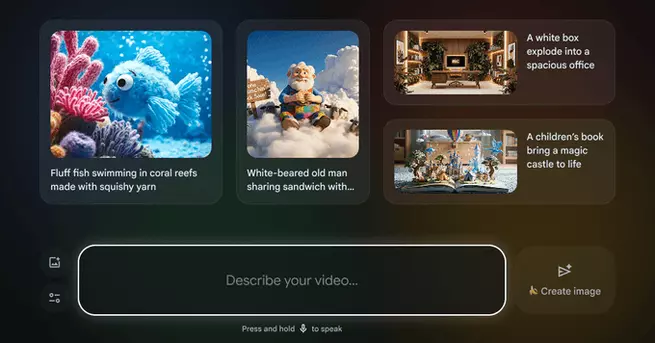
Gemini on Google TV is getting a major upgrade that answers a question many users are already asking: what can Google’s AI assistant actually do on a television screen? Announced during CES 2026, the update brings Nano Banana image generation, Veo-powered video creation, and richer visual responses directly to Google TV. The goal is simple but ambitious—turn the TV into an interactive AI hub rather than a passive display. Users can now create content, explore topics visually, and control settings using natural voice commands. Google says the rollout will begin later this year. The update reflects a broader push to make Gemini more useful in everyday living spaces. For many households, the TV may become the most visible face of Google’s AI.
One of the most eye-catching additions is Nano Banana, Google’s lightweight image generation model designed to run smoothly on consumer devices. With Gemini on Google TV, users can generate AI images directly on their television without pulling out a phone or laptop. This can range from playful edits of family photos to stylized visuals created from voice prompts. Gemini can also pull images from Google Photos to assemble themed slideshows for events like vacations or birthdays. While AI-generated content still raises questions about originality, Google is clearly leaning into entertainment value. The big screen format makes these creations feel more communal. For casual users, this lowers the barrier to experimenting with generative AI.
Alongside Nano Banana, Gemini on Google TV gains support for Veo, Google’s AI video generation technology. This allows the assistant to create short video clips or visual explainers in response to user prompts. Instead of text-heavy answers, Gemini can now show animated sequences, visual summaries, or stylized scenes. Google positions this as a way to make learning and discovery more engaging from the couch. The feature also aligns with how people naturally consume content on TV—through motion and sound. As AI video tools improve, Gemini’s responses are expected to feel less like search results and more like mini productions. This could redefine how informational content is presented on televisions.
Gemini on Google TV is also becoming more practical, thanks to expanded voice-controlled system settings. Users can now adjust display preferences, accessibility options, and other configurations simply by speaking. Instead of navigating layered menus, Gemini acts as a conversational shortcut to common controls. This is particularly useful for users who are less comfortable with traditional remote-based navigation. Google says the assistant understands more natural language requests, reducing friction during setup and daily use. Over time, this could make Google TV more accessible to a wider audience. The update emphasizes convenience as much as novelty.
Beyond content creation, Gemini on Google TV is getting better at answering everyday questions in a visual-first way. Search results can now include images, short videos, and contextual graphics rather than plain text. Sports fans will see real-time updates displayed clearly on screen, making the TV a quick reference point during games. Google says these enhancements are designed to match how people already use their TVs for quick lookups. By blending search, visuals, and narration, Gemini feels less like a chatbot and more like a digital host. This approach could increase engagement without demanding constant interaction. It’s a subtle but meaningful shift in AI presentation.
A standout feature of the update is Gemini’s new “deep dives,” which offer narrated, interactive explorations of topics chosen by the user. These deep dives combine voice narration with visuals, timelines, and on-screen elements that users can interact with. Topics can range from science and history to hobbies and pop culture. Google frames this as an educational tool that fits naturally into home entertainment. Watching a deep dive feels closer to a guided documentary than a traditional search result. This positions Gemini on Google TV as both an assistant and a content creator. For curious users, it could become a go-to way to learn from the couch.
Taken together, these updates show how seriously Google is taking the living room as an AI battleground. Gemini on Google TV is no longer just about finding shows or answering simple questions. With Nano Banana, Veo, visual search, and deep dives, Google is turning the TV into an expressive AI platform. The emphasis on voice, visuals, and shared experiences suggests a future where AI feels more social and less solitary. While some features may feel playful today, they hint at deeper changes in how people interact with screens. For Google, the TV could become one of Gemini’s most influential surfaces yet.









Comment