
Alerts
-
5 minutes, 22 seconds
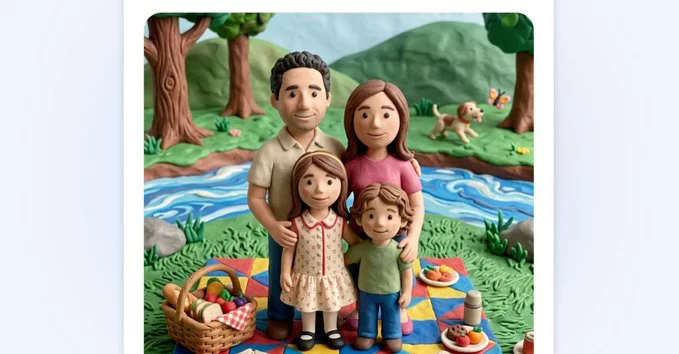
Curious how Gemini Google Photos integration works and what it means for personalized AI images? The latest update allows users to connect their Google Photos library with Gemini’s Personal Intelligence feature, enabling the AI to generate images based on real memories, preferences, and lifestyle patterns. Instead of generic outputs, users can now get visuals that feel deeply personal and context-aware. This development answers rising search questions about whether Gemini can use personal photos and how it improves AI creativity in everyday use in 2026.
At its core, Gemini Google Photos integration introduces a new layer of personalization powered by Google's Personal Intelligence system. Instead of relying only on prompts, Gemini can now access selected photos from a user’s library to understand habits, preferences, and visual themes. This allows the AI to generate images that align more closely with real-life experiences, such as travel memories, fashion styles, or favorite environments. The system is designed to interpret context, not just visual data, making outputs relevant and emotionally resonant. Users remain in control of what is shared, with permissions required before photo data is used. This feature represents a shift toward AI tools that learn from personal digital ecosystems while maintaining user consent and transparency throughout interaction.
Gemini Google Photos uses advanced multimodal understanding to turn personal photo libraries into creative prompts for image generation. When a user connects their account, the system scans approved images to identify patterns such as recurring locations, color preferences, outfits, and social settings. These insights help Gemini craft images that feel consistent with the user's real-world identity rather than generic AI outputs. For example, someone who frequently takes beach photos may receive generated visuals set in coastal environments with matching aesthetic tones. The model does not simply copy photos but instead learns stylistic cues to build new, original compositions. This approach bridges memory and imagination, giving users a more immersive creative experience. It also reduces the time needed to describe complex prompts manually, making AI image creation more intuitive and accessible for everyday users. This feature continues to evolve rapidly today.
Privacy remains a central concern in the Gemini Google Photos integration, and Google has designed the system with multiple safeguards to protect user data. Users must explicitly grant permission before any images are accessed, and they can manage or revoke access at any time. Only selected photos are used for personalization, ensuring that sensitive or private content is not automatically included in AI processing. The system also avoids permanent storage of personal photo data within the model, focusing instead on temporary interpretation for generation tasks. Transparency controls allow users to see how their data influences outputs, reinforcing trust in the platform. These measures aim to balance innovation with user safety, addressing growing questions about how personal data is handled in AI systems while still enabling highly customized creative experiences. Clearly.
This update marks a significant shift in how AI image generation evolves in 2026, moving from generic prompt-based systems to deeply personalized creative tools. By integrating Google Photos, Gemini can better understand user lifestyles, making generated images feel more authentic and emotionally relevant. This development also signals a broader trend in artificial intelligence toward context-aware systems that learn from real user data with consent. For creators, marketers, and everyday users, it opens new possibilities for storytelling and visual expression without requiring advanced design skills. However, the success of this feature will depend on how well it balances personalization with privacy expectations. As AI continues to evolve, tools like this are likely to redefine how people interact with their digital memories and creative imagination. The shift feels inevitable.








Comment