G42 and Cerebras Bring Massive AI Power to India
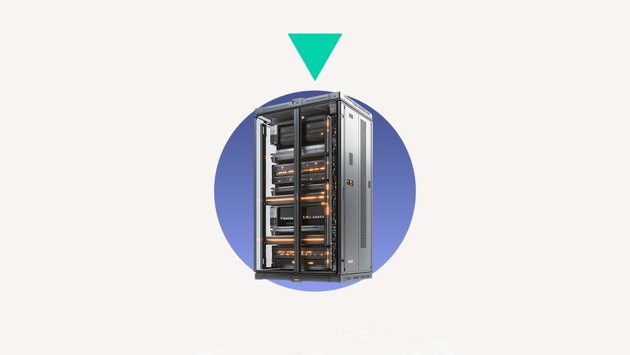
The G42 Cerebras India supercomputer project is making headlines as one of the biggest AI infrastructure announcements of 2026. Abu Dhabi-based G42 has partnered with U.S. chipmaker Cerebras Systems to deploy an 8-exaflop AI supercomputer in India. The system will be hosted locally, aligning with India’s data sovereignty and compliance requirements. Experts say this move could significantly reshape the country’s AI landscape while accelerating global competition in sovereign AI infrastructure.
The announcement came during a major AI summit in New Delhi, where global and domestic players unveiled ambitious plans for India’s growing AI ecosystem. The scale of this deployment positions India among a small group of countries with ultra-high-performance AI compute capacity.
What the 8 Exaflops Supercomputer Means
An 8-exaflop system represents an enormous leap in computational capability. To put it into perspective, this level of processing power enables faster training and deployment of large language models, multimodal AI systems, and enterprise-grade automation tools. It also supports real-time AI inference at scale — something increasingly critical for industries adopting AI rapidly.
By deploying the system within India, the partners are addressing a key demand: local compute access. Many organizations previously relied on overseas infrastructure, raising concerns about latency, cost, and regulatory risks. This new deployment aims to remove those barriers while empowering local innovation.
Focus on Sovereign AI Infrastructure
A central theme behind the project is sovereign AI — the idea that nations should control their own AI data and infrastructure. According to project leaders, building local compute capacity ensures that governments, universities, and businesses can develop AI without relying entirely on foreign platforms.
The system will comply with Indian data residency and security regulations, making it especially appealing to public sector users. Sovereign AI is quickly becoming a priority globally as countries seek to protect sensitive data and build self-reliant tech ecosystems. This partnership signals how geopolitical considerations are increasingly shaping AI investments.
Who Will Benefit From the AI Supercomputer?
The G42 Cerebras India supercomputer isn’t just for big corporations. The project is designed to serve a wide range of users, including academic institutions, government agencies, and small and medium enterprises. This broad accessibility could help democratize advanced AI capabilities across the country.
For researchers, access to massive compute can dramatically shorten experimentation cycles. Startups and SMEs may gain the ability to build advanced AI products without the massive upfront costs traditionally required. Meanwhile, public institutions could leverage AI for healthcare, governance, and infrastructure modernization.
Academic Collaboration Strengthens the Project
The initiative also involves leading academic institutions, including Mohamed bin Zayed University of Artificial Intelligence and India’s Centre for Development of Advanced Computing. These partnerships highlight the growing importance of academia in shaping real-world AI innovation.
Previously, G42 and academic partners collaborated on multilingual AI models tailored for Indian users. Those projects focused on improving language accessibility and cultural relevance in AI systems. With more compute now available locally, similar efforts could expand significantly.
India’s Growing Role in the Global AI Race
The timing of the announcement reflects India’s rapid rise as an AI powerhouse. Global companies are increasingly investing in the region due to its vast talent pool, expanding digital infrastructure, and supportive government policies. Major conglomerates have also pledged billions toward building data centers and AI ecosystems.
This surge of investment signals a broader shift in AI geopolitics. Instead of being concentrated in a few Western regions, AI infrastructure is becoming more distributed. India’s emergence as a key hub could reshape global innovation flows over the next decade.
Why This Partnership Matters Globally
Beyond India, the G42 Cerebras partnership illustrates how cross-border collaborations are defining the future of AI. The alliance blends Middle Eastern investment, American chip expertise, and Indian market scale — a powerful combination in today’s tech landscape.
Such partnerships may become more common as countries balance collaboration with technological independence. Building AI infrastructure now requires not just capital, but also access to talent, semiconductors, and supportive regulation. This project reflects how those elements are converging in new global tech alliances.
AI Infrastructure Arms Race
The announcement also underscores the intensifying AI infrastructure race worldwide. Nations and corporations alike are pouring billions into supercomputers, data centers, and specialized chips. Control over compute resources is increasingly seen as a strategic advantage in everything from economic growth to national security.
India’s latest AI supercomputer announcement signals that the competition is no longer limited to traditional tech hubs. Emerging markets are stepping into leadership roles, bringing fresh momentum to global AI development.
What Comes Next for AI in India?
Looking ahead, the success of the G42 Cerebras India supercomputer will likely depend on how effectively it’s integrated into real-world use cases. If widely adopted, it could unlock new waves of innovation in sectors like fintech, healthcare, education, and manufacturing.
More importantly, the project sets a precedent. It shows that large-scale sovereign AI infrastructure is not just a concept — it’s becoming reality. As more countries pursue similar initiatives, the global AI landscape may shift toward a more decentralized, competitive future.
For now, the G42 Cerebras collaboration stands as a bold signal: the race to build the world’s most powerful AI ecosystems is accelerating — and India is firmly in the spotlight.




Array