Alerts

-
5 minutes, 22 seconds
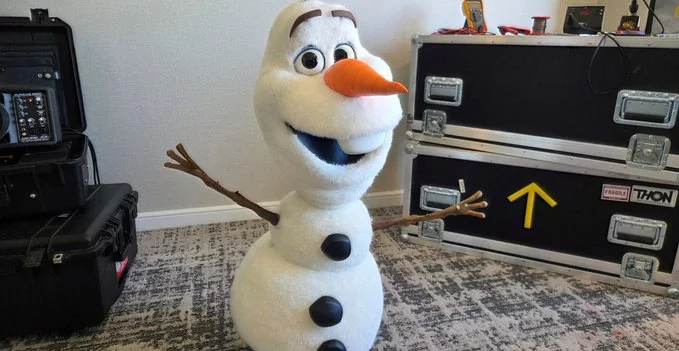
Visitors wondering what the future of theme parks looks like may soon find the answer in a familiar snowman. A new robotic version of Olaf from Disney’s Frozen is set to debut in parks, blending advanced AI, animation, and robotics. Designed to feel alive rather than mechanical, this innovation could redefine guest interactions and mark a major leap toward fully immersive entertainment environments.
At first glance, Olaf may seem like just another animatronic character. However, this version is fundamentally different from traditional theme park robots. Built by Disney Imagineering, the robot captures the charm and personality fans expect from the beloved Frozen character.
What makes Olaf stand out is how natural his movements appear. Instead of rigid, pre-programmed actions, the robot moves fluidly, mimicking the animated character’s signature expressions and gestures. This level of realism helps bridge the “uncanny valley,” making interactions feel surprisingly authentic.
Even without full conversational ability, the emotional connection is strong. Guests are likely to perceive Olaf less as a machine and more as a character brought to life, which is exactly the goal behind this innovation.
Behind Olaf’s lifelike behavior lies cutting-edge artificial intelligence. Engineers trained the robot using reinforcement learning, a method where systems improve through trial and error. Thousands of simulated versions of Olaf were placed in a virtual environment and rewarded for accurate, screen-like movements.
This process was powered by advanced hardware, including GPUs like the Nvidia RTX 4090. Remarkably, the training process took just a couple of days—far faster than traditional animation or robotics development cycles.
The result is a robot that doesn’t just follow instructions but “learns” how to behave like Olaf. This shift from programming to training represents a significant breakthrough in how entertainment robots are created and refined.
This robotic Olaf is more than a single attraction—it represents a new approach to theme park design. Traditionally, animatronics are limited in number and flexibility due to high costs and long development times. Now, AI-driven systems could dramatically speed up production.
With faster development cycles, entire lands could be filled with interactive characters. Instead of static displays or scheduled appearances, guests might encounter dynamic figures throughout the park, each capable of unique movements and behaviors.
This opens the door to more personalized experiences. Imagine walking through a themed area where characters react differently depending on the moment, creating a sense of spontaneity that hasn’t been possible before.
Theme parks have experimented with robots before, particularly in sci-fi-themed areas featuring droids and mechanical characters. However, those were intentionally designed to behave like machines. Olaf represents a shift toward fully animated personalities.
By focusing on emotional expression and character accuracy, developers are aiming to blur the line between fiction and reality. This is the first time a widely recognized animated character has been translated into a robotic form with such precision.
That distinction matters because it changes how guests engage. Instead of observing technology, visitors experience storytelling in a more direct and immersive way.
Olaf is scheduled to appear in select international parks, with more expansions likely if the technology proves successful. Early reactions suggest that guests will be drawn to the novelty and realism of the experience.
Looking ahead, this technology could extend beyond a single character. Popular figures from various franchises may soon join Olaf, creating entire worlds populated by responsive, lifelike inhabitants.
As robotics, AI, and entertainment continue to converge, the boundaries of theme park experiences are rapidly evolving. Olaf may be just the beginning of a future where stories are no longer just watched—but physically lived.







Comment