
Alerts
-
5 minutes, 29 seconds
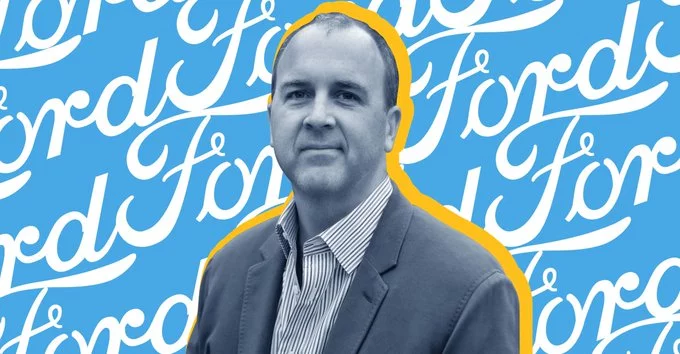
Doug Field, the executive leading electric vehicle and software development at Ford Motor Company, is leaving the company after five years. The move comes at a critical moment as Ford accelerates its transition to electric vehicles (EVs) and connected software platforms. Many are now asking what this means for Ford’s EV roadmap, leadership stability, and long-term competitiveness in a fast-changing automotive industry.
Field’s departure marks a notable shift in leadership for one of the company’s most strategically important divisions. His role has been central to shaping Ford’s EV architecture and digital transformation efforts. As automakers face rising pressure to innovate, leadership continuity has become more important than ever.
Doug Field joined Ford with an impressive background that included senior roles at both Tesla and Apple. His experience in hardware, software, and product integration made him a key figure in Ford’s push to modernize its vehicles. He was tasked with bridging the gap between traditional automotive engineering and cutting-edge technology.
During his tenure, Field played a major role in developing Ford’s next-generation EV platforms. These platforms are designed to support scalable production and advanced software features. His leadership also helped streamline Ford’s approach to over-the-air updates and digital user experiences.
Despite progress, Ford’s EV journey has not been without challenges. The company has faced production delays, cost pressures, and growing competition from both legacy automakers and newer EV startups. Field’s exit adds another layer of uncertainty to an already complex transition.
The timing of Field’s departure is significant. Ford is currently investing heavily in EV production, battery technology, and software ecosystems. These efforts are crucial to competing in a market increasingly dominated by innovation and speed.
Leadership changes during such a pivotal phase can slow momentum or force strategic recalibration. Investors and industry watchers often interpret executive exits as signals of internal shifts or disagreements. While no official reason has been detailed, the move raises questions about alignment within Ford’s leadership team.
At the same time, Ford continues to emphasize its commitment to electrification. The company has announced ambitious plans to expand its EV lineup and improve profitability in its electric division. Maintaining confidence during leadership transitions will be key to sustaining progress.
Beyond EV hardware, Field was instrumental in shaping Ford’s software ambitions. Modern vehicles increasingly rely on software for everything from infotainment to autonomous driving features. Ford has been working to build a more integrated digital ecosystem, similar to tech companies.
Field’s departure could impact how quickly Ford executes this vision. Software development requires long-term consistency, and leadership changes can disrupt timelines. However, Ford has built teams and systems that may help maintain continuity despite the shift.
The company is also competing in an environment where software capabilities are becoming a primary differentiator. Rivals are investing heavily in AI-driven features, connectivity, and user experience. Ford’s ability to keep pace will depend on how effectively it manages this transition.
The broader automotive industry is watching closely. Leadership changes at major automakers often ripple across the sector, influencing talent movement and strategic direction. Field’s background makes him a highly sought-after figure, and his next move could attract significant attention.
For Ford, the focus now shifts to succession planning and maintaining execution. The company will need to reassure stakeholders that its EV and software strategies remain on track. Clear communication and strong interim leadership will be essential.
Ultimately, this transition highlights the challenges of transforming a legacy automaker into a technology-driven mobility company. Ford’s next steps will determine whether it can sustain momentum or face further hurdles in its EV journey.








Comment