Fluorite: Toyota’s Game Engine Brings Console Graphics to Cars
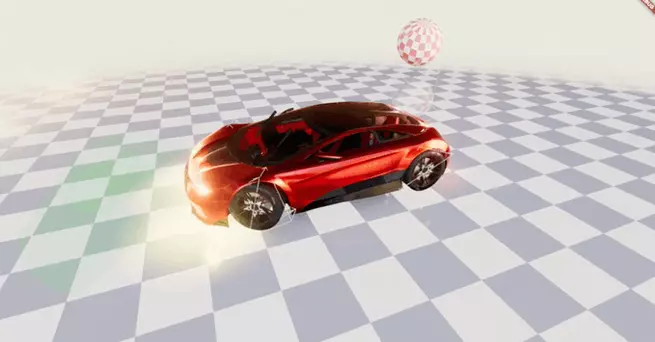
Toyota is pushing the boundaries of in-car technology with Fluorite, a game engine designed to deliver console-grade graphics and seamless performance on embedded car hardware. This engine promises to transform digital cockpits, providing interactive tutorials, realistic environmental mapping, and more intuitive vehicle controls. For drivers and engineers alike, Fluorite could redefine how cars interact with people on the road.
Why Automakers Are Turning to Game Engines
Modern cars are increasingly becoming digital platforms. Game engines like Unreal and Unity have already been used by automakers to visualize interiors, create realistic simulations, and improve in-car interfaces. However, these engines can be expensive and require powerful hardware—limitations that many car systems cannot meet. Fluorite addresses these issues by offering high-quality graphics without demanding high-end processing power.
Jamie Kerber, lead engineer at Very Good Ventures, explained at FOSDEM 2026 that Fluorite enables practical applications like step-by-step 3D tutorials, enhanced environmental mapping, and natural interaction for drivers. By combining performance with accessibility, Toyota aims to make advanced visual features standard rather than optional.
How Fluorite Stands Out
Unlike existing engines, Fluorite is fully integrated with the Flutter SDK, making it easier for developers to build consistent interfaces across platforms. The engine supports hardware-accelerated visuals comparable to console graphics while running efficiently on embedded systems like car chips. This efficiency allows automakers to deliver rich visuals without the high costs associated with traditional gaming engines.
Fluorite also encourages collaboration. Toyota and Very Good Ventures are seeking engineering teams to contribute resources and help establish a unified roadmap. This collaborative approach could accelerate innovation and ensure the engine meets the unique needs of the automotive industry.
Potential Uses Inside the Car
The applications for Fluorite extend far beyond traditional dashboards. Engineers envision 3D navigation overlays, interactive tutorials, and real-time environmental scanning to improve safety and usability. Gamers and tech enthusiasts may find these features familiar, as they resemble the interactive experiences of console games—but optimized for practical, everyday use in vehicles.
By integrating Fluorite, car manufacturers can also provide customizable, visually engaging digital cockpits that feel more like a personal device than a standard dashboard. This could open doors for new forms of driver education, in-car entertainment, and advanced driver assistance systems.
Challenges and Next Steps
While Fluorite shows promise, the engine is still in early development. Toyota and its partners are actively seeking collaborations to expand capabilities and refine performance. Early adoption by automakers will be critical to establishing the engine’s potential and ensuring it becomes a standard tool for next-generation vehicles.
Fluorite represents a bold step toward high-performance, interactive car interfaces. As the automotive industry increasingly relies on advanced digital systems, engines like Fluorite could become essential tools for both designers and drivers.
Toyota’s Fluorite engine bridges the gap between gaming technology and automotive innovation, bringing console-quality visuals to embedded car systems. With potential applications ranging from interactive tutorials to enhanced navigation, Fluorite is set to redefine the modern driving experience. For automakers, developers, and drivers, this could mark a new era of smarter, more immersive vehicles.








Comment