Alerts

-
3 minutes, 18 seconds
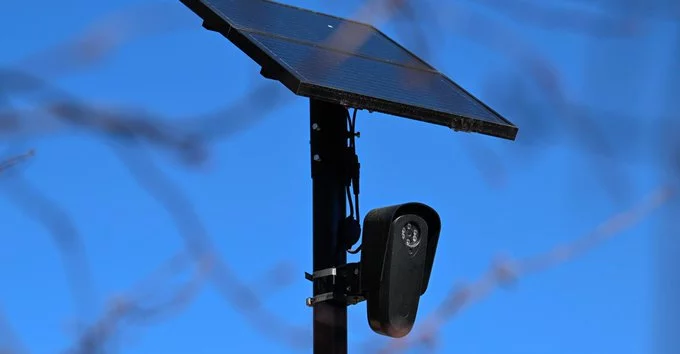
Under the new directive, all automated license plate readers—including Flock Safety cameras—must be physically removed from state highway infrastructure within 30 days of the order’s effective date. This applies to both permanent pole-mounted units and temporary trailers operating along interstate ramps, state routes, and highway medians.
The mandate does not allow for retrofitting, repurposing, or leaving devices in an inactive state. Agencies must unbolt, disconnect power sources, and haul away all equipment, restoring the original highway fixtures. A compliance report, including photographic evidence of each former installation site, must be submitted to the state transportation department by the deadline.
This removal is separate from any data retention rules. Footage already captured before the removal date remains subject to existing storage and privacy agreements, but no new images may be collected once the 30-day window begins. Noncompliant agencies face daily fines and loss of future highway safety grant eligibility.
It is critical to understand that this removal mandate does not apply uniformly across all public spaces. The directive is specifically targeted at state highways, which are the major roadways under state jurisdiction. This scope is defined by the legal authority of the state agency issuing the order, which does not have oversight over every thoroughfare.
Consequently, the ban does not automatically extend to:
This distinction means that while a structure must be removed from an interstate or a state route, the same structure on a residential street or a business’s frontage may remain, subject to separate local ordinances. Property owners and local agencies should verify their specific classification, as the mandate’s enforcement begins only at the state highway boundary. The responsibility for compliance rests solely with those controlling assets within that defined corridor.
The decision to dismantle the surveillance infrastructure along state highways stems from two primary concerns: privacy rights and the potential for data misuse. Officials highlighted that continuous, high-resolution monitoring of public roadways creates an intrusive record of citizen movement, which many consider a violation of reasonable expectations of privacy. Furthermore, the collected data, if not strictly safeguarded, could be vulnerable to unauthorized access or repurposed for tracking beyond its original traffic management intent.
The risk of function creep was a decisive factor. Without a clear legal boundary, surveillance data gathered for safety could easily shift towards behavioral profiling or other investigative uses not sanctioned by the public. This potential for misuse, even if hypothetical, undermined public trust in the system. Consequently, the removal is viewed not as a rejection of technology, but as a necessary step to align infrastructure with civil liberties, ensuring that monitoring does not exceed its stated purpose without explicit oversight.
Agencies operating the affected devices on state highways must remove them within the timeframe specified in the mandate. This compliance window is not open-ended; the directive establishes a clear deadline for physical removal from the right-of-way. Failure to meet this schedule would place an agency in violation of the order.
Beyond the immediate removal requirement, the regulatory landscape is likely to evolve. The mandate explicitly states that further regulations may follow, signaling that this action is not necessarily the final step. Agencies should therefore treat the current removal as a baseline for future compliance, rather than a one-time task.
To prepare for potential upcoming rules, affected parties should:
Completing the removal accurately and on time is the primary obligation, but staying alert to additional legal requirements will be essential for long-term compliance.










Comment