Alerts

-
3 minutes, 21 seconds
Arm has unveiled a new suite of graphics technologies designed to bring desktop-class performance enhancements to Android devices. This innovation, which draws a direct conceptual parallel to NVIDIA’s DLSS, aims to tackle the growing gap between mobile hardware capabilities and the demands of high-fidelity gaming. The core objective is to deliver smoother, more detailed visuals without draining battery life or causing excessive heat—two persistent challenges in the mobile space.
By leveraging a combination of advanced upscaling and frame generation techniques, Arm’s solution allows devices to render at a lower native resolution and then intelligently reconstruct the image to appear sharper. Simultaneously, it can synthesize additional frames to increase the perceived frame rate. This approach effectively offloads the heavy lifting from the GPU, enabling even mid-range chipsets to produce visuals that were previously only achievable on flagship processors. The technology is positioned as a critical step for the future of Android gaming, promising a significant leap in visual fidelity and responsiveness.
At its core, the technology leverages two complementary techniques to deliver a significant performance boost on mobile hardware. The first is upscaling, which renders the game at a lower native resolution to lighten the GPU’s workload, then reconstructs the image to a higher resolution using sophisticated algorithms. This process preserves visual fidelity while dramatically reducing the computational cost of each frame.
The second pillar is frame generation. By analyzing motion vectors and optical flow data between rendered frames, the technology can interpolate entirely new frames. This effectively doubles or even triples the perceived frame rate, creating a smoother and more responsive experience without requiring the silicon to render every single frame from scratch. Together, these methods allow for high-fidelity visuals and fluid gameplay that would otherwise be impossible on power-constrained devices, bringing a console-like experience to mobile platforms. The result is a smarter way to render, not just a harder-working chip.
For gamers, the technology delivers tangible improvements in two key areas. Higher fidelity means that visual details—sharper textures, more complex lighting, and richer effects—can be rendered without sacrificing performance. At the same time, smoother gameplay is achieved through frame generation, which inserts additional frames to reduce stutter and increase responsiveness, particularly in fast-paced titles.
Developers gain significant technical advantages as well. Easier optimization is possible because the upscaling and frame generation work at a driver or platform level, reducing the need to manually tune every graphical setting for each device. This also leads to wider device compatibility, as the technology can help lower-end hardware run games that would otherwise exceed its native capabilities. Instead of creating multiple bespoke performance profiles, studios can rely on this scalable solution to deliver a consistent experience across a broader range of mobile devices, from flagship phones to more affordable models.
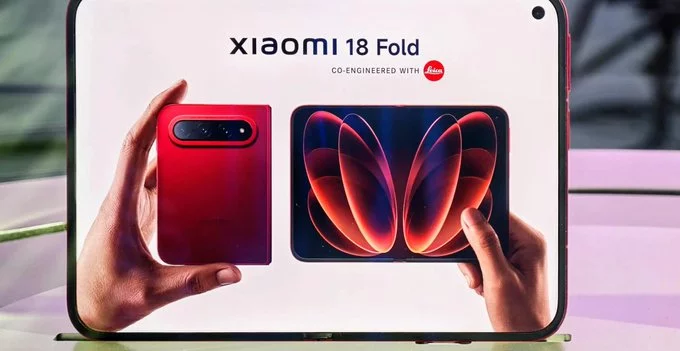
The technology is imminent for Android devices, with Xiaomi leading the charge as the first confirmed partner. This initial rollout signals a strategic focus on the mobile platform where the demand for high-fidelity, high-frame-rate gaming is most acute. The hint "First Xiaomi, then the world" strongly suggests that this is not an exclusive arrangement, but rather the first step in a broader expansion strategy.
For developers, this presents a significant opportunity to reach a wider audience with graphically intensive games on hardware that might otherwise struggle. The potential expansion to other platforms, including iOS, could further unify the mobile gaming experience. While specific timelines for broader availability remain unannounced, the implication is clear: this technology is poised to become a standard feature across the mobile landscape, democratizing access to premium gaming performance. The focus on Android first indicates a deliberate path toward widespread adoption, promising a future where advanced upscaling and frame generation are common tools for mobile gamers everywhere. The industry is watching closely as Xiaomi’s integration paves the way for a global release.










Comment