
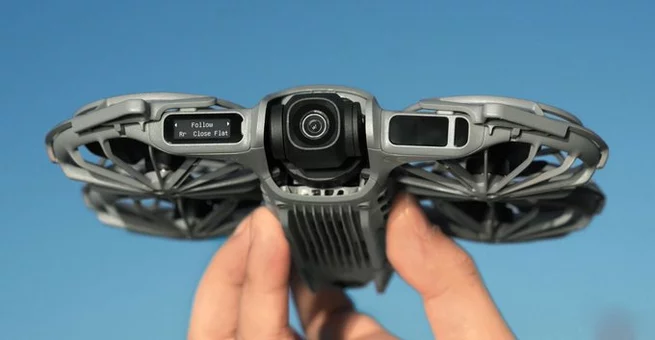
The FCC drone ban is now official, and it’s already reshaping the US drone market. The Federal Communications Commission has added foreign-made drones and drone components to its “Covered List,” effectively blocking new imports unless they receive explicit approval from the Department of Defense or the Department of Homeland Security. Many readers are asking whether DJI drones are banned, whether existing drones will stop working, and how this impacts hobbyists and businesses. The short answer: imports are restricted, but drones already in use remain legal. Still, the decision sends a strong signal about how seriously US regulators view drone-related national security risks. For consumers and companies alike, the ripple effects are only beginning.
At the center of the policy is the FCC’s conclusion that foreign-manufactured drones qualify as communications equipment posing “unacceptable risks” to national security. By placing drones on the Covered List, the FCC effectively bars new foreign drone models from entering the US market without federal security clearance. This move aligns drones with other restricted technologies previously flagged by US regulators. Officials argue that modern drones rely heavily on wireless communication, data transmission, and software updates, making them more than simple flying cameras. From the FCC’s perspective, that connectivity creates vulnerabilities that could be exploited. The result is one of the most aggressive regulatory actions the drone industry has faced in years.
DJI, the world’s largest drone maker, responded quickly but cautiously to the FCC drone ban. The company said it was “disappointed” by the decision and noted that it was not individually named in the ruling. DJI also stressed that the government has not publicly shared the evidence used to justify the determination. Importantly for users, DJI emphasized that drones already on the market can continue operating normally. The company reiterated its commitment to the US market, even as future product launches now face major obstacles. For a brand that dominates consumer and professional drones, the uncertainty is significant.
The FCC based its decision on a National Security Determination delivered by an interagency body in late December. According to the agency, foreign-made uncrewed aircraft systems could enable persistent surveillance, unauthorized data collection, or even remote interference. Officials highlighted fears around software updates that could disable drones or alter their behavior without user knowledge. US cybersecurity guidance has repeatedly warned about connected devices collecting sensitive data, and drones amplify that risk by operating in physical space. These concerns, whether proven or precautionary, formed the backbone of the FCC’s justification. From Washington’s standpoint, prevention outweighs convenience.
One of the biggest questions surrounding the FCC drone ban is what happens to drones already owned by consumers and businesses. The FCC’s fact sheet makes it clear that existing foreign-made drones can continue to be used legally. There is no requirement to ground current devices or disable software. That reassurance will come as a relief to photographers, filmmakers, farmers, and public safety teams who rely on drones daily. However, the longer-term issue is replacement and expansion. When older drones fail or fleets need upgrades, options may be far more limited.
This move places drones alongside other technologies the US has previously restricted over security concerns. Huawei and ZTE telecom equipment were added to the Covered List years ago, while Kaspersky antivirus software joined more recently. In each case, the government cited potential foreign influence and data risks. The drone ban follows the same regulatory playbook, signaling that airborne technology now carries the same strategic weight as networks and software. For industry observers, this suggests drones are no longer seen as niche gadgets. Instead, they’re being treated as critical infrastructure.
Looking ahead, the FCC drone ban could accelerate investment in US-made drones and alternative suppliers. Domestic manufacturers may see new opportunities as agencies and companies seek compliant equipment. At the same time, higher prices and fewer choices could frustrate consumers accustomed to DJI’s affordability and innovation. Public safety agencies, which often depend on specialized drones, may face procurement delays. The policy may also push foreign manufacturers to pursue security certifications more aggressively. Either way, competition in the US drone market is about to change dramatically.
The FCC drone ban marks a defining moment for drone policy in the United States. While current users can keep flying, the message from regulators is unmistakable: national security concerns now outweigh market dominance and consumer demand. DJI’s future in the US remains uncertain, and rivals will be watching closely. For drone enthusiasts and professionals, this is more than a trade restriction—it’s a shift in how governments view connected technology in the skies. As enforcement and approvals evolve, the impact of this decision will likely extend far beyond drones alone.

𝗦𝗲𝗺𝗮𝘀𝗼𝗰𝗶𝗮𝗹 𝗶𝘀 𝘄𝗵𝗲𝗿𝗲 𝗽𝗲𝗼𝗽𝗹𝗲 𝗰𝗼𝗻𝗻𝗲𝗰𝘁, 𝗴𝗿𝗼𝘄, 𝗮𝗻𝗱 𝗳𝗶𝗻𝗱 𝗼𝗽𝗽𝗼𝗿𝘁𝘂𝗻𝗶𝘁𝗶𝗲𝘀.
From jobs and gigs to communities, events, and real conversations — we bring people and ideas together in one simple, meaningful space.




Comments