
Alerts
-
7 minutes, 31 seconds
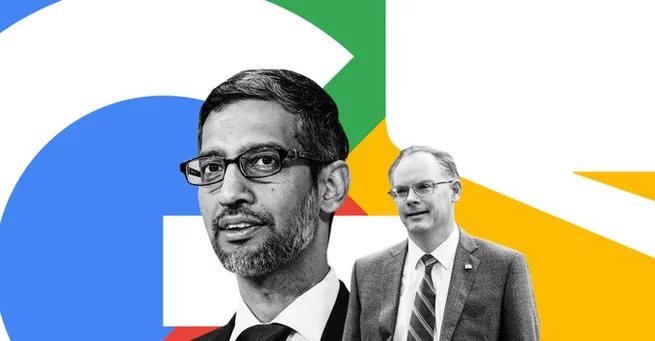
A long-running legal war between Epic Games and Google just took an unexpected turn. During a court hearing in San Francisco, a judge revealed that the two companies have quietly entered into a previously undisclosed partnership worth roughly $800 million over six years, centered on Unreal Engine, Fortnite, and Android. For readers wondering what the deal includes, why it matters, and how it could affect the antitrust fight, the answers are now starting to emerge — and they raise new questions about whether business interests are reshaping the courtroom battle.
The existence of the Epic and Google partnership surfaced during a judicial review of settlement discussions tied to their antitrust dispute. The judge overseeing the case questioned whether both sides were moving toward compromise because of a new commercial relationship running parallel to the lawsuit. While many specifics remain confidential, the court confirmed the agreement involves joint product development, joint marketing commitments, and strategic partnerships.
This revelation immediately reframed the narrative. Instead of two rivals locked solely in a regulatory clash, the court now sees companies exploring ways to collaborate while still fighting over platform rules. That dual track raised concerns about whether Epic’s legal demands for broader Android changes had softened due to new financial incentives.
During the hearing, the judge openly questioned how this new deal could influence Epic’s stance. He suggested that Epic might be helping Google promote Android, while Google, in return, gains access to Epic’s core technologies. According to the court, this type of cooperation did not exist before and represents a “new business” relationship between the companies.
The concern was not just about money, but about market dynamics. If Epic benefits directly from Google’s platform through marketing support and technology collaboration, the judge wondered whether that could undercut Epic’s claims that Android’s ecosystem harms competition. These questions placed the secret agreement squarely at the center of the legal debate.
Unreal Engine appears to be the backbone of the partnership. Epic’s game engine is already widely used across industries, from gaming to real-time simulations. In court testimony, Epic’s leadership indicated that Google’s increased use of Unreal Engine could support its own product development efforts.
At one moment, the confidentiality around the agreement nearly slipped. Epic’s CEO described how Epic’s technology is used to train and power products in spaces where Google operates, hinting at deeper technical integration. The comment was cut short, but it reinforced the idea that Unreal Engine is not just a tool in this deal — it is a strategic asset.
Beyond technology sharing, the partnership reportedly includes mutual marketing support. The judge described a scenario where Epic would help market Android, while Google would assist in promoting Fortnite. This type of cross-promotion could significantly benefit both sides, especially as mobile gaming and platform ecosystems become more competitive.
For Fortnite, greater visibility on Android could strengthen its mobile presence after years of friction. For Google, aligning with one of the world’s most recognizable game platforms could help position Android as a friendlier environment for developers and players alike. Together, these moves suggest the deal is designed to create shared wins rather than one-sided concessions.
The most striking detail came when the judge mentioned a concrete financial commitment: $800 million spread across six years. He described it as a “healthy partnership,” a phrase that quickly became a focal point of the hearing. That level of investment signals long-term intent rather than a short-term settlement sweetener.
From a legal perspective, the size of the deal matters. It raises the question of whether such a substantial partnership could influence litigation strategy, even indirectly. From a business standpoint, it confirms that both companies see tangible value in working together despite years of public conflict.
While the court allowed most details to remain sealed, the implications are already clear. The judge’s line of questioning suggests heightened scrutiny over whether Epic’s broader demands for changes to Android policies align with its new commercial interests. If Epic stands to gain from Android’s success, critics may argue that its position has shifted.
At the same time, the deal does not automatically erase Epic’s antitrust claims. Partnerships and lawsuits can coexist, especially in industries where competitors frequently collaborate on technology while fighting over rules. Still, the timing and scale of this agreement ensure it will remain a key factor as the case progresses.
The disclosure of Epic and Google’s $800 million Unreal Engine deal marks a turning point in one of the tech industry’s most closely watched disputes. What began as a courtroom battle over platform power now includes a deep business relationship spanning technology, marketing, and long-term investment.
As more details emerge, this partnership could reshape how developers, regulators, and competitors view both companies. For now, one thing is certain: the line between rivalry and collaboration has never been thinner — and the outcome of this case may depend as much on business strategy as on legal arguments.










Comment