Alerts

-
5 minutes, 14 seconds
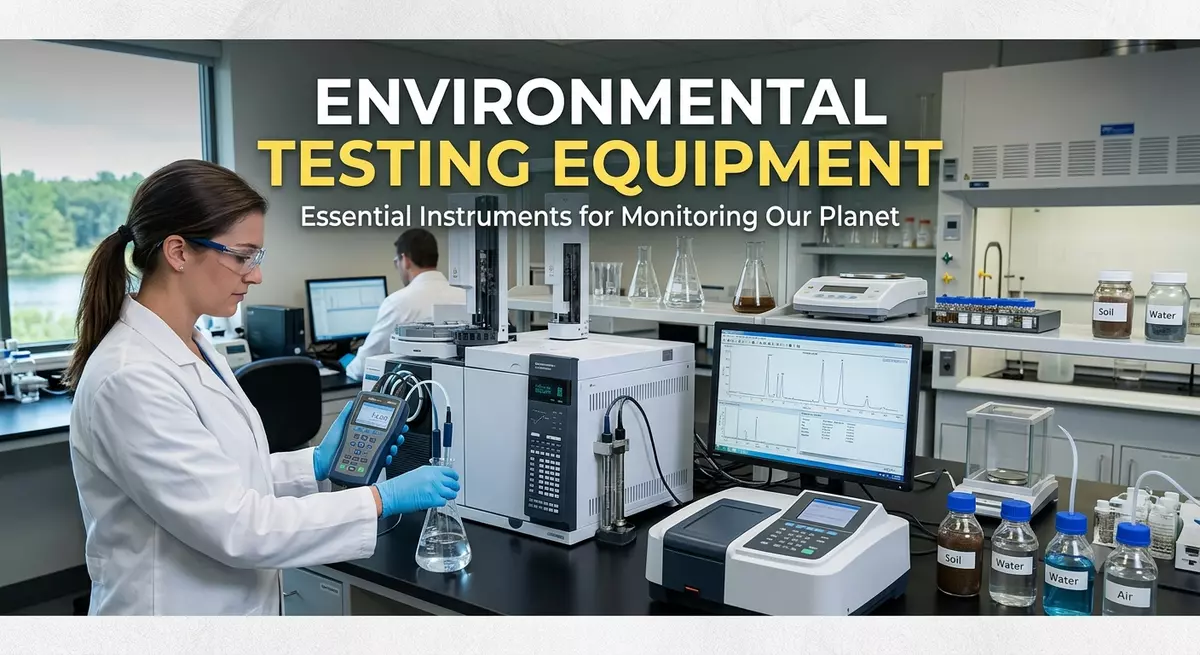
In 2026, new technologies are changing how environmental monitoring is performed. From smart sensors to AI-powered data analysis, innovation is making testing faster, more reliable, and easier to manage. This article explains the latest trends, their benefits, and what businesses can expect in the future.
Environmental testing equipment refers to the tools and instruments used to measure environmental conditions. These devices help detect pollutants, monitor air quality, analyze water samples, and evaluate soil conditions. Scientists, laboratories, manufacturers, and government agencies rely on environmental testing equipment to ensure safety and compliance with environmental standards. The information collected helps organizations make informed decisions and reduce environmental risks.
For example, air quality monitors can measure harmful gases in the atmosphere. Water testing instruments can identify contaminants in drinking water. Similarly, soil testing equipment can determine whether land is safe for agriculture or construction. As environmental challenges become more complex, testing equipment must also evolve. This need is driving significant innovation across the industry.
One of the biggest trends in 2026 is the use of smart sensors connected through the Internet of Things (IoT).
These sensors collect environmental data continuously and transmit it in real time. Instead of waiting for manual reports, organizations can instantly monitor conditions from any location.
For example, a manufacturing facility can use connected sensors to track air emissions throughout the day. If pollution levels rise unexpectedly, alerts can be sent immediately.
As a result, environmental testing equipment is becoming more proactive and efficient than ever before.
Artificial Intelligence (AI) is transforming environmental monitoring.
Modern systems can process large amounts of testing data within seconds. AI algorithms can identify patterns, predict future environmental risks, and detect unusual changes that humans might miss.
For laboratories, this means faster results and improved accuracy. Additionally, AI reduces manual workload and helps experts focus on critical decision-making.
This innovation is especially valuable when dealing with large-scale environmental projects that generate massive datasets.
Portability is another major trend shaping the industry.
Today's professionals often need testing capabilities outside traditional laboratories. To meet this demand, manufacturers are developing lightweight and portable instruments.
Modern handheld devices can test water quality, air pollutants, and soil conditions directly in the field.
These portable versions of environmental testing equipment save time and reduce the need for transporting samples back to laboratories. Consequently, organizations can make quicker decisions and respond faster to environmental concerns.
Managing environmental data can be challenging. Fortunately, cloud technology is providing a solution.
Many modern testing systems now store information in secure cloud platforms. Users can access reports, monitor trends, and share results from anywhere with an internet connection.
Cloud-based systems also improve collaboration between laboratories, environmental consultants, and regulatory agencies.
Furthermore, automatic backups help protect valuable environmental records from accidental loss.
Water quality testing continues to be a top priority worldwide.
In 2026, advanced monitoring systems can detect contaminants at extremely low concentrations. These systems are capable of identifying heavy metals, bacteria, chemicals, and microplastics with greater precision.
Improved sensitivity helps organizations address potential problems before they become serious health risks.
As water regulations become stricter, demand for sophisticated environmental testing equipment in this area is expected to grow significantly.
Manufacturers are also paying attention to sustainability.
New instruments are being designed with lower energy consumption and longer operational life. Some devices use recyclable materials and require fewer consumable parts.
This trend supports environmental goals while reducing operating costs for laboratories and testing facilities.
As organizations focus on sustainable practices, environmentally responsible equipment is becoming an important purchasing factor.
While new technologies offer many benefits, organizations should avoid several common mistakes.
Even advanced instruments require regular calibration. Without proper maintenance, test results may become inaccurate.
Many businesses invest in new systems without understanding their actual needs.
Before purchasing environmental testing equipment, identify the parameters you need to measure and the regulations you must follow.
Modern instruments often include advanced software and automation features.
Without proper training, users may not take full advantage of these capabilities. Investing in employee education improves efficiency and accuracy.
As cloud platforms become more common, data protection is increasingly important.
Organizations should implement strong cybersecurity practices to safeguard environmental information.
If you want to stay updated on industry developments, several trusted resources can help.
Environmental protection agencies and government regulatory websites
Scientific journals focused on environmental monitoring
Laboratory technology publications
Industry conferences and trade exhibitions
Equipment manufacturer technical guides and webinars
Professional environmental testing associations
Additionally, following emerging developments in AI, IoT, and data analytics can provide valuable insights into the future of environmental testing equipment.
Industry events scheduled throughout 2026 are also expected to showcase new innovations and best practices for environmental monitoring professionals.
The future of environmental monitoring is becoming smarter, faster, and more connected. Innovations such as AI-powered analysis, IoT-enabled sensors, cloud platforms, and portable devices are transforming how organizations collect and interpret environmental data. As these technologies continue to evolve, environmental testing equipment will play an even greater role in protecting public health and the environment. To stay competitive and compliant, businesses should keep up with emerging trends and invest in solutions that support accurate, efficient, and sustainable testing practices.
Environmental testing equipment is used to monitor air, water, soil, and other environmental conditions. It helps identify pollutants, ensure compliance, and protect public health.
AI speeds up data analysis, identifies patterns, predicts environmental risks, and improves the accuracy of testing results.
Portable devices allow professionals to perform testing directly in the field, reducing delays and enabling faster decision-making.
Industries such as manufacturing, pharmaceuticals, food processing, agriculture, energy, and environmental consulting commonly use environmental testing equipment.
Consider testing requirements, accuracy, regulatory compliance, maintenance needs, software capabilities, and long-term support from the supplier.


8.4K articles

2.7K articles

1.6K articles

34 articles








Comment