
Alerts
-
2 minutes, 32 seconds
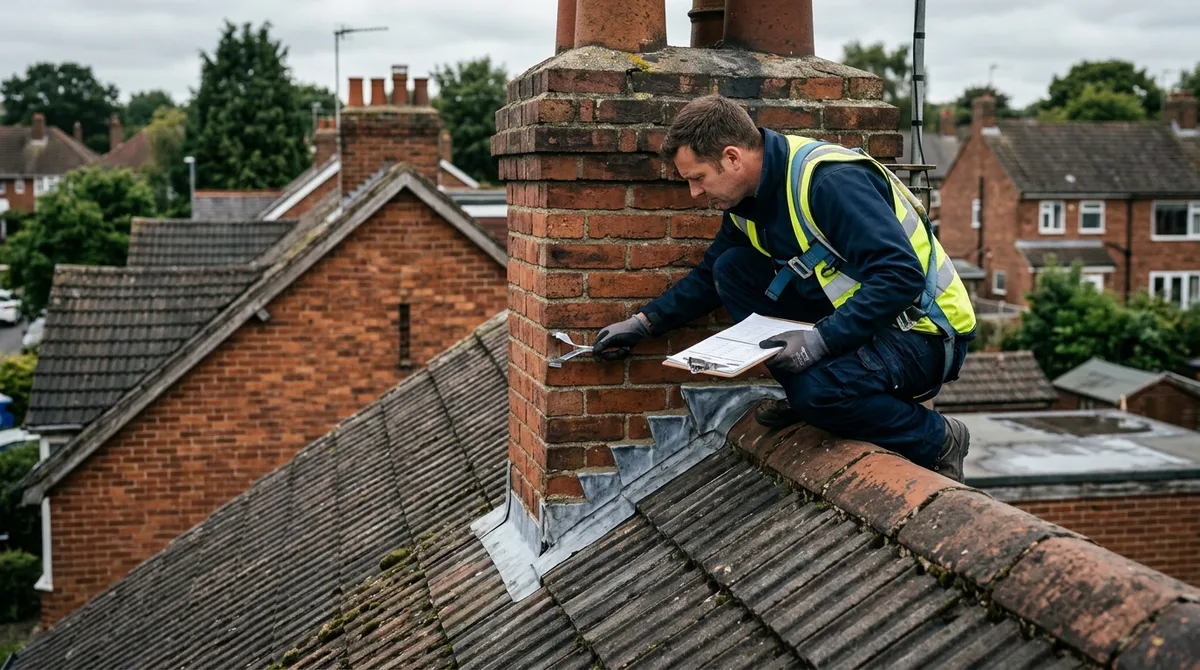
Severe gales, torrential downpours, and falling debris can turn a stable roof into an immediate emergency in minutes. When heavy rain starts infiltrating your ceilings or high winds dislodge slates, acting quickly is vital to protect your home's structure, interior finishes, and electrical systems.
Knowing how to secure reliable emergency roof services cheshire homeowners rely on can save thousands of pounds in secondary interior damp and timber rot damage.
Here is an actionable step-by-step checklist on how to handle a roofing crisis safely and efficiently.
Your immediate concern should always be the safety of your family and pets.
Isolate Electrical Circuits: If water drips near light fittings, sockets, or consumer units, switch off the electricity supply to those zones immediately at your main fuse box.
Avoid Unstable Rooms: If a ceiling shows significant sagging or a heavy leak is causing plasterboard to swell, evacuate that room to avoid potential structural collapse.
Contain the Water: Set down wide buckets or plastic tubs underneath active drips. Pierce a tiny hole in the center of a sagging plasterboard ceiling stain using a screwdriver to let trapped water drain in a controlled stream, relieving weight from the ceiling framework.
Never attempt to climb onto a wet, storm-damaged, or compromised roof yourself. Slick tiles, high winds, and loose underlayment present severe fall hazards.
Instead, step outside once the storm subsides and inspect your roofline safely from ground level:
Look for missing, slipped, or cracked slates and tiles.
Check for lifted lead flashing around chimney stacks or roof valleys.
Inspect gutters and downpipes for heavy debris or detached sections.
Before any temporary or permanent fix begins, thoroughly record the visible impact. Comprehensive proof speeds up building insurance claims significantly:
Take clear photos and videos of exterior damage from ground level.
Photograph internal ceiling stains, water damage on carpets, walls, and affected personal property.
Keep a quick log of when the leak started and any notable weather conditions.
Contact an accredited local roofing specialist immediately. Professional emergency teams carry specialised safety rigs and temporary containment gear to make your property watertight.
Emergency Tarping: Securing heavy-duty, reinforced waterproof sheeting over exposed rafters or broken tile sections to halt further water ingress.
Debris Removal & Securing Hazard Zones: Safely removing dangling slates, broken tiles, or overhanging branches that pose an immediate risk to passersby.
Written Damage Assessment: Preparing an itemised repair plan and transparent estimate for your home insurance provider.
Once the property is temporarily secured against further water ingress, notify your building insurance company to open a storm damage claim. Provide the evidence photos, the roofer's initial inspection summary, and receipts for any emergency containment work performed to prevent further loss.
Having a clear emergency action plan ensures that when bad weather strikes, you can protect your living space, avoid dangerous risks, and get permanent repairs underway as quickly as possible.



Comment