Alerts

-
3 minutes, 31 seconds
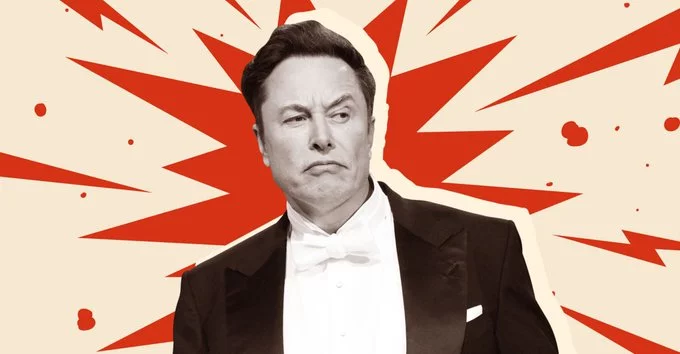
In a dramatic courtroom moment, Elon Musk took the stand as the first witness in the high-profile trial against OpenAI. The case, known as Musk v. Altman, centers on claims that OpenAI deviated from its original nonprofit mission to develop artificial intelligence for the public good. Musk, a co-founder of OpenAI, now argues the company has become too profit-driven under CEO Sam Altman. This trial could reshape the future of AI development and corporate governance.
This legal showdown is not just about one company. It raises big questions about how AI should be built and who controls it. Musk’s testimony highlights concerns that OpenAI, once focused on safety and transparency, now prioritizes commercial interests. The outcome could set rules for other AI firms and impact how new technologies are regulated.
Musk appeared calm but serious as he answered questions from both sides. He described his early vision for OpenAI, which he co-founded in 2015 to advance AI safely. Musk said he left the board in 2018 because of disagreements over direction. Now, he claims OpenAI’s partnership with Microsoft and its focus on products like ChatGPT shows a shift away from its original mission.
The defense argues that OpenAI still follows its core values and that Musk’s lawsuit is about personal grudges, not principles. The trial is expected to last several weeks, with more high-profile witnesses.
If you follow AI news, this trial is a must-watch. It could decide how transparent AI companies must be about their goals. For everyday users, it might lead to stricter rules on data use and AI safety. Musk’s involvement also brings attention to the growing tension between innovation and regulation in Silicon Valley.
Stay tuned as we update this story with new developments from the courtroom. The battle between Musk and OpenAI is far from over, but today’s testimony sets the stage for a landmark decision.










Comment