


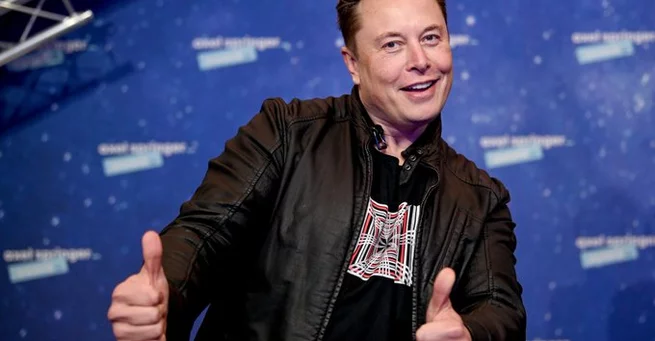
Elon Musk SpaceX xAI Merger Sparks Bold Space Data Center Claims
-
6 minutes, 38 seconds
Elon Musk SpaceX xAI Merger Raises Big Questions About AI’s Future
Is Elon Musk really planning to move AI data centers into space, and why merge SpaceX with xAI now? Those are the questions dominating tech and business conversations after Musk announced a massive merger between his rocket company and his artificial intelligence startup. The deal, reportedly valued at $1.25 trillion, is being framed as a bold step toward solving AI’s growing energy crisis. Critics, however, see a more familiar story unfolding—one where a profitable company absorbs the losses of another under the banner of world-changing ambition.
Why Elon Musk Says AI Must Go to Space
Musk argues that artificial intelligence has hit a physical limit on Earth. Modern AI systems depend on vast data centers that consume enormous amounts of electricity and water while generating significant heat. According to Musk, these facilities are becoming harder to build due to environmental concerns and resistance from local communities. His proposed solution is to place AI data centers in orbit, where constant solar exposure could provide steady power. In his words, space-based AI is “the only way to scale” in the long term.
Space-Based Data Centers Are Gaining Attention
The idea of putting data centers in space is no longer fringe. Across the global tech industry, companies and governments are exploring orbital computing as a way to reduce strain on terrestrial power grids. Solar-powered satellites equipped with computing hardware promise near-continuous energy and freedom from land constraints. Supporters believe this could ease pressure on cities facing rising electricity costs and water shortages. Still, the concept remains largely experimental, with many unanswered questions about cost, maintenance, and long-term feasibility.
The Profit Gap Between SpaceX and xAI
While Musk emphasizes technological necessity, financial realities tell another story. SpaceX is widely reported to be profitable, buoyed by launch contracts and satellite services. xAI, by contrast, is burning through cash at an estimated rate of $1 billion per month as it races to compete in the crowded AI market. By merging the two companies, Musk effectively links a steady revenue engine with a capital-intensive startup. For skeptics, this looks less like innovation and more like financial triage.
Is This Strategic Vision or Corporate Self-Rescue?
Supporters say Musk has a track record of betting big on ideas that initially seem unrealistic. Electric vehicles, reusable rockets, and satellite internet all faced early doubt before gaining traction. From that perspective, the Elon Musk SpaceX xAI merger could be another long-term play that only makes sense when viewed decades ahead. Critics counter that the space data center narrative conveniently distracts from xAI’s mounting losses. They argue that merging companies blurs accountability while concentrating risk.
Environmental Claims Face Practical Challenges
Putting AI infrastructure into orbit may reduce land use, but it introduces new environmental and logistical issues. Rocket launches themselves are energy-intensive and expensive. Hardware failures in space are far harder to fix than on Earth, potentially leading to costly replacements. There are also concerns about space debris and orbital congestion as more equipment is launched. These factors complicate the claim that space-based AI is an environmentally clean alternative.
What This Merger Means for the AI Industry
If Musk succeeds, the implications could be enormous. Space-based computing could reshape how AI systems are powered and deployed, reducing reliance on Earth-bound grids. It could also give Musk a unique advantage by vertically integrating rockets, satellites, and AI development under one corporate roof. Competitors may be forced to rethink their infrastructure strategies or accelerate alternative energy solutions. Even if the plan stalls, it has already shifted the conversation around AI scalability.
Investors and Regulators Will Be Watching Closely
The scale of the Elon Musk SpaceX xAI merger ensures intense scrutiny. Investors will want clarity on how profits from space operations will be allocated and whether xAI can realistically reach sustainability. Regulators may also raise concerns about market concentration and the safety of expanded orbital infrastructure. Public trust will hinge on transparency, especially as Musk’s claims grow more ambitious. The next few quarters could determine whether this merger is remembered as visionary or reckless.
A Familiar Musk Pattern, With Higher Stakes
Musk’s announcement follows a familiar pattern: a sweeping vision, a controversial execution, and polarized reactions. What makes this moment different is the sheer scale of capital involved and the global implications for energy, space, and AI. Whether data centers truly belong in orbit remains uncertain. What is clear is that the Elon Musk SpaceX xAI merger has reignited debate about how far ambition should stretch to sustain rapid technological growth.
As the dust settles, one thing is undeniable—this merger has ensured that Musk remains at the center of the AI conversation, for better or worse.



Contact Information





Suggested Writers
-

2.5K articles
-

1.3K articles
-

34 articles
-

28 articles



Comment