Alerts

-
2 minutes, 56 seconds
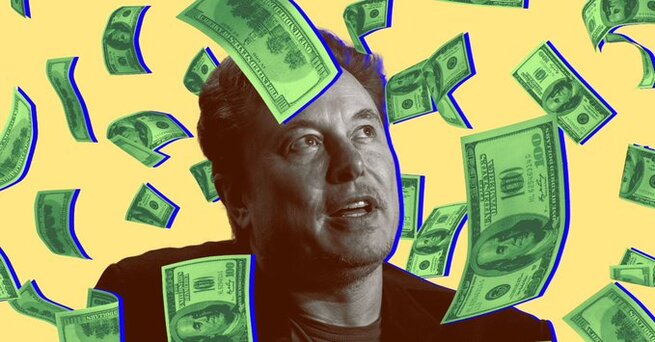
Elon Musk will settle $128 million Twitter execs lawsuit after four top executives sued him over unpaid severance following his 2022 acquisition of the company. The high-profile case involves Twitter’s former CEO Parag Agrawal, CFO Ned Segal, chief legal officer Vijaya Gadde, and general counsel Sean Edgett.
According to an update filed in the US Northern District Court of California, Musk and the rebranded X company have reached an undisclosed settlement with the former executives. The agreement is contingent on Musk meeting “certain conditions” in the near term, though these conditions weren’t detailed in the court filing. Deadlines for the lawsuit have been postponed to allow time for compliance.
The lawsuit, filed in March 2024, stems from a long-running dispute with the executives. They claim Musk closed the $44 billion Twitter deal early to “cheat” them out of $200 million in stock options that would have vested the next day.
The complaint references Musk’s quote from Walter Isaacson’s biography, in which he said closing the deal early would create a “two-hundred-million differential in the cookie jar.” The executives also alleged Musk threatened to “hunt every single one of” Twitter’s executives and directors “till the day they die.”
The terms of the settlement remain undisclosed, but the lawsuit is scheduled to resume on October 31, 2025, if Musk fails to meet the required conditions.
This isn’t the first time X has settled employee disputes. In August 2025, the company resolved “thousands” of cases with former employees laid off in 2022 over failure to provide the mandated 60-day notice before termination.
The settlement highlights Musk’s ongoing legal and financial challenges after acquiring Twitter. It also underscores the complexities of executive contracts, severance agreements, and stock option vesting tied to corporate acquisitions.
For the executives, the agreement ensures compensation for severance and stock disputes without a prolonged court battle. For Musk, it allows him to limit legal exposure while continuing to lead X.










Comment