Alerts

-
5 minutes, 56 seconds
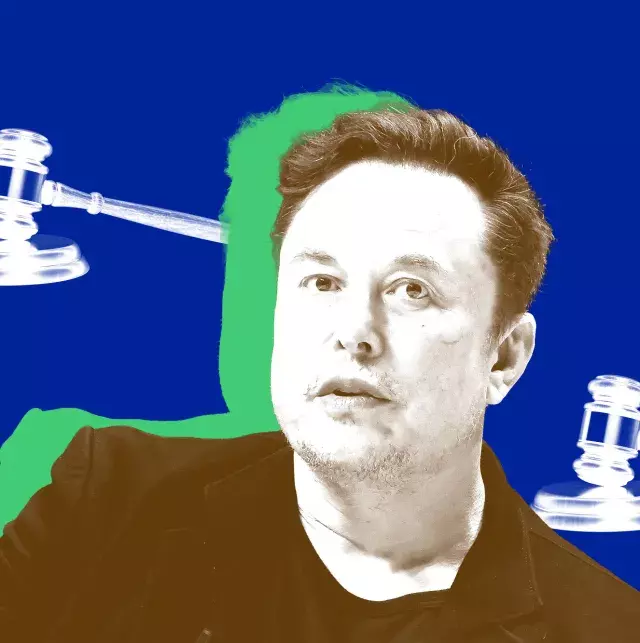
In a recent courtroom appearance, Elon Musk made a bold claim: “I don’t lose my temper.” But for anyone following his public life, that statement feels like a red flag. The truth is, Elon Musk’s worst enemy in court might be Elon Musk himself. When a high-profile CEO tells a judge or jury that they never get angry, it can backfire—especially when evidence suggests otherwise.
This article breaks down why such a statement is risky in legal settings, how it affects a case, and what lessons business leaders can learn from Musk’s courtroom behavior.
In any legal proceeding, credibility is everything. When Musk said, “I don’t lose my temper,” he made an absolute claim. Lawyers and opposing counsel love absolute statements because they are easy to challenge. If even one video, email, or witness shows Musk losing his cool, that statement becomes a weapon against him.
When a defendant or witness makes a claim that is easily disproven, it damages their overall trustworthiness. In court, a jury decides if someone is believable. If Musk’s own words or actions contradict his testimony, the jury may doubt everything else he says.
Musk’s courtroom misstep is a cautionary tale. If you ever testify or even speak publicly about a legal matter, avoid absolute statements. Instead, use softer language like “I try to stay calm” or “I generally handle stress well.” This leaves room for human error and makes you seem more honest.
This isn’t the first time Musk’s personality has clashed with the legal system. From SEC disputes over his tweets to defamation cases, his impulsive style often creates problems. In court, the same traits that make him a bold entrepreneur—confidence, bluntness, and a refusal to back down—can become liabilities.
If Musk continues to make absolute claims like “I don’t lose my temper,” he risks losing more than just a single case. His reputation in court could suffer permanently, making it harder to win future lawsuits. Judges and juries remember patterns of behavior.
Elon Musk’s worst enemy in court is indeed himself—but it doesn’t have to be. By learning to control his statements and avoid overconfident claims, he could improve his legal outcomes. For anyone else, the lesson is clear: In court, honesty and humility are your best allies. Leave the bravado at the door.
If you’re a business leader facing a legal challenge, consider working with a lawyer who can coach you on how to testify. A few hours of preparation can save you from making a costly mistake like Musk’s.










Comment