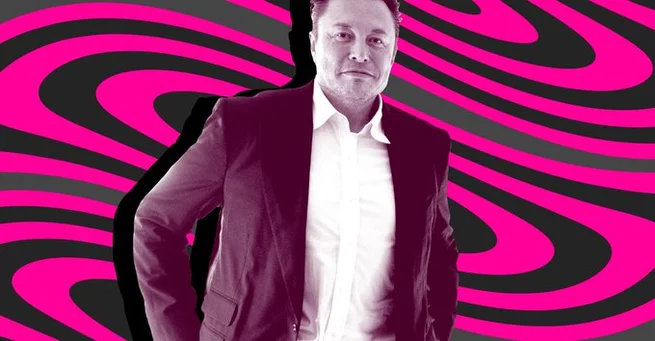
Elon Musk merge SpaceX discussions are quickly becoming one of the most searched tech business stories right now. Readers want to know whether SpaceX could combine with Tesla or xAI, why such a move is being considered, and what it could mean for investors, innovation, and regulation. Reports suggest early-stage talks are underway as SpaceX prepares for a potential public offering later this year. While no final decision has been announced, the idea alone signals a possible reshaping of Musk’s already interconnected business ecosystem.
SpaceX has grown far beyond a traditional aerospace company. Its ambitions now extend into global connectivity, advanced computing, and large-scale infrastructure projects. A merger could help align those goals under a single strategic umbrella.
One motivation appears to be efficiency. Combining companies led by the same executive could reduce duplicated resources, streamline decision-making, and accelerate long-term projects. For SpaceX, access to advanced artificial intelligence or electric infrastructure could support future missions that rely heavily on automation and massive data processing.
Timing also matters. With a public offering reportedly being explored, SpaceX may be positioning itself as more than a launch provider. A merger could present a broader, more compelling growth narrative to the market.
Tesla’s involvement in these discussions is drawing particular attention. The electric vehicle company already shares deep ties with Musk’s other ventures, including past financial and technology collaborations. Folding SpaceX into Tesla, or vice versa, would be an unprecedented move in modern corporate history.
Supporters of the idea argue that Tesla’s expertise in energy storage, manufacturing scale, and robotics could complement SpaceX’s space-based infrastructure. Together, the companies could push forward projects that blend terrestrial energy systems with orbital technology.
Skeptics, however, point to risks. Tesla shareholders may question whether absorbing a private space company could dilute focus during a challenging period for the electric vehicle market. Regulatory scrutiny would also intensify, given the scale and influence of both businesses.
Another path under consideration involves xAI, Musk’s artificial intelligence company. A SpaceX–xAI merger would place rocket launches, satellite networks, and advanced AI models within one organization. That combination could accelerate plans for space-based data centers and AI-driven mission control systems.
AI plays a growing role in navigation, satellite coordination, and real-time decision-making in space. Bringing these capabilities fully in-house could give SpaceX a technological edge that competitors struggle to match. It could also reduce reliance on external partners for critical software systems.
At the same time, xAI has faced public scrutiny over how its technology is deployed. Merging it with SpaceX would likely draw attention from regulators concerned about AI governance, data use, and ethical safeguards, especially on a global scale.
An Elon Musk merge SpaceX scenario would not be happening in isolation. Musk has a long track record of cross-company collaboration, investments, and shared leadership across his ventures. Financial ties, technology transfers, and talent movement between these companies have been common for years.
This approach reflects Musk’s belief in building an integrated ecosystem rather than standalone businesses. From energy systems to AI and space exploration, his companies often pursue overlapping long-term goals. A formal merger would simply make those connections more explicit.
However, formal consolidation also brings higher stakes. Governance structures, shareholder expectations, and legal responsibilities become more complex when multiple major companies combine.
For investors, the uncertainty is both exciting and unsettling. A merger could unlock new growth opportunities by creating a diversified technology powerhouse spanning space, AI, and energy. That vision may appeal to long-term investors focused on transformational innovation.
On the other hand, markets tend to react cautiously to complexity. Valuing a merged entity that operates across vastly different industries would be challenging. Investors may also worry about concentration of leadership and the risks of tying multiple high-stakes ventures together.
Short-term volatility is likely as speculation continues. Until clear terms, timelines, and structures are announced, markets will be left to interpret signals rather than facts.
Any move to merge SpaceX with Tesla or xAI would almost certainly attract regulatory attention. Governments already monitor SpaceX closely due to its role in national security, communications, and space infrastructure. Adding AI or automotive operations into the mix could amplify those concerns.
Antitrust regulators may examine whether such consolidation limits competition or creates unfair advantages. Data privacy, AI safety, and cross-border operations would also come under closer review.
These factors could slow or reshape any potential deal, even if internal discussions advance quickly.
For now, the Elon Musk merge SpaceX narrative remains speculative. No official confirmation has been made, and details such as valuation, structure, and timing are still unclear. What is clear is that SpaceX is thinking bigger than ever as it approaches its next phase of growth.
Whether through Tesla, xAI, or another structure entirely, Musk appears to be exploring ways to unify his vision across industries. The outcome could redefine how technology empires are built in the modern era.
As more information emerges, this story will continue to shape conversations around innovation, power, and the future of space-driven technology.
Elon Musk Merge SpaceX Plans Spark Big Tech P... 0 0 0 14 2
2 photos






Comment