Alerts

-
2 minutes, 51 seconds
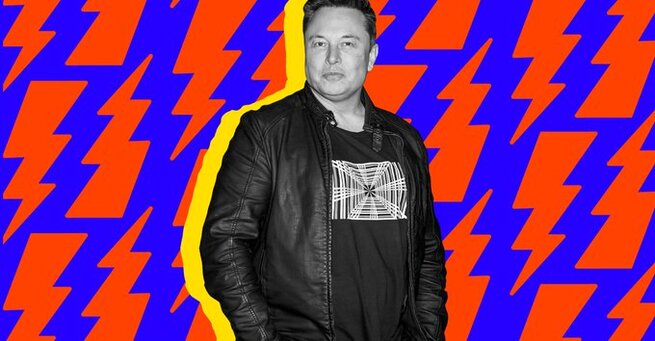
Elon Musk has filed a lawsuit against Apple and OpenAI, claiming their partnership is creating an unfair monopoly in the AI industry. The case centers on the integration of ChatGPT into the iPhone, which Musk argues limits competition by pushing users toward a single AI option. With xAI and X Corp leading the charge, the lawsuit raises important questions about how tech giants shape user choices, app store rankings, and the future of artificial intelligence.
At the heart of Musk’s lawsuit is the claim that Apple and OpenAI are locking competitors out of the market. According to Musk, Apple’s decision to make ChatGPT the default AI within Apple Intelligence leaves users with “no reason” to download third-party chatbot apps. He also alleges that Apple’s App Store rankings unfairly favor OpenAI, pushing out alternatives like Grok and X. Musk describes this behavior as a clear antitrust violation that undermines innovation in AI.
The App Store is a key battleground in Musk’s lawsuit. His companies argue that even though apps like X and Grok have strong ratings, they are excluded from sections like “Must-Have Apps,” where ChatGPT continues to dominate. By prioritizing one chatbot over others, Apple is accused of using its platform power to give OpenAI a long-term advantage. If these claims hold, it could reshape ongoing debates about how app ecosystems control competition.
The lawsuit highlights growing concerns about monopolies in the AI sector. With the iPhone giving OpenAI access to billions of prompts, Musk’s team argues that competitors face an uneven playing field. The outcome of this case could influence how regulators view partnerships between major tech companies and AI developers. For everyday users, the question is whether they will continue to have diverse AI options or be locked into one dominant chatbot by default.










Comment