Alerts

-
7 minutes, 38 seconds
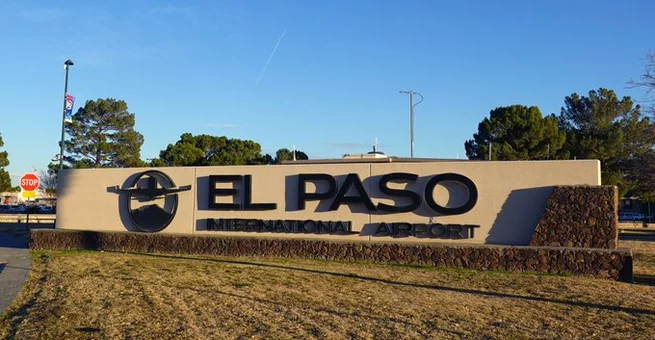
El Paso airspace closure shocked travelers and aviation observers after reports revealed the incident may have been triggered by an anti-drone laser. Officials initially cited security concerns, but new details suggest a mistaken identity involving a balloon, not a cartel drone. The sudden shutdown disrupted flights, sparked safety debates, and raised questions about coordination between agencies. Here’s what happened, why it matters, and what it could mean for future airspace security decisions.
The unexpected shutdown of airspace near El Paso International Airport began after authorities cited “special security reasons.” The Federal Aviation Administration initially issued a multi-day closure order but reversed it within hours. The abrupt nature of the decision caused confusion among airlines, emergency responders, and passengers alike.
Reports later revealed that the closure may have been linked to a defensive action involving an anti-drone laser. Officials feared a potential cartel drone incursion, prompting rapid intervention. However, the speed of the response and lack of early clarity fueled speculation and concern about procedural gaps.
The airspace shutdown disrupted commercial travel and emergency medical flights. Even a temporary closure at a major regional airport can create ripple effects across flight schedules nationwide. That’s one reason the incident has drawn intense scrutiny from lawmakers and aviation analysts.
According to emerging reports, U.S. Customs and Border Protection deployed an anti-drone laser system during the incident. Sources suggest the agency acted quickly to neutralize what it believed was a hostile aerial object. The decision reportedly occurred with limited coordination with aviation regulators.
Investigations indicate the technology may have been supplied through cooperation with defense agencies. Such systems are designed to counter unmanned aerial threats, especially along sensitive border regions. But using military-grade tools near civilian airspace introduces new layers of risk and complexity.
Critics argue that deploying experimental or high-powered anti-drone systems without robust inter-agency communication could endanger civilian aviation. Aviation safety experts stress that coordination between border agencies and air traffic authorities is essential when deploying disruptive technologies.
Perhaps the most surprising twist is the reported misidentification at the center of the crisis. Sources indicate that officials believed they were targeting a cartel surveillance drone. Instead, the object may have been nothing more than a party balloon.
This revelation has intensified public debate. A misidentification involving advanced defense technology raises serious concerns about threat assessment protocols. Observers are questioning how such an error could trigger an airspace closure impacting thousands of travelers.
The balloon revelation also highlights a broader issue: distinguishing real threats from harmless objects in increasingly crowded skies. As drones become more common, false alarms could become more frequent unless detection systems improve significantly.
Reports suggest the anti-drone weapon involved may have been the LOCUST system developed by AeroVironment. LOCUST is described as a directed-energy weapon designed to disable drones quickly and precisely. Systems like these represent a growing trend in modern border security strategies.
Directed-energy weapons are appealing because they can neutralize threats without traditional projectiles. However, their use near civilian airspace remains controversial. Even if technically precise, deploying them in populated or aviation-heavy zones can carry unintended consequences.
The reported use of such advanced technology near a commercial airport is one reason the story has gained national attention. It underscores the tension between emerging defense tools and existing civilian safety frameworks.
Lawmakers are now demanding answers about how the El Paso airspace closure unfolded. Key questions include whether agencies coordinated properly and whether aviation risks were adequately assessed. Congressional oversight could play a major role in shaping the aftermath.
Political leaders are also examining communication failures. Early public statements referenced a neutralized drone threat, which now appears misleading. That discrepancy has fueled criticism about transparency and crisis messaging.
Public confidence in aviation safety depends heavily on clarity and accountability. Incidents involving mixed messaging or delayed disclosures can erode trust quickly, especially when national security is involved.
The El Paso airspace closure may signal a turning point in how authorities handle drone threats near civilian zones. As anti-drone technology evolves, so does the need for clearer guidelines and safeguards. Aviation experts are calling for standardized protocols to prevent similar disruptions.
Future policies may emphasize stronger coordination between military, border agencies, and aviation regulators. Clearer rules could help balance national security needs with commercial aviation safety. Without that balance, even isolated incidents could create widespread disruption.
There’s also growing discussion about transparency in deploying emerging technologies. Public understanding of how and when such tools are used could become a central issue in future policy debates.
Beyond the immediate disruption, the El Paso airspace closure highlights the challenges of modern security in a drone-filled era. Rapid-response technologies are powerful but must be handled with precision and coordination. Even small misjudgments can lead to large-scale consequences.
The incident serves as a cautionary tale about balancing innovation with oversight. As agencies adopt advanced defense tools, ensuring alignment with civilian safety frameworks will be critical. Aviation safety depends not just on technology, but on communication and accountability.
With investigations ongoing, the lessons from this incident could shape how governments worldwide approach airspace security. For travelers and industry observers, the story is a reminder that even small objects in the sky can trigger massive ripple effects when advanced technology enters the equation.










Comment