
Alerts
-
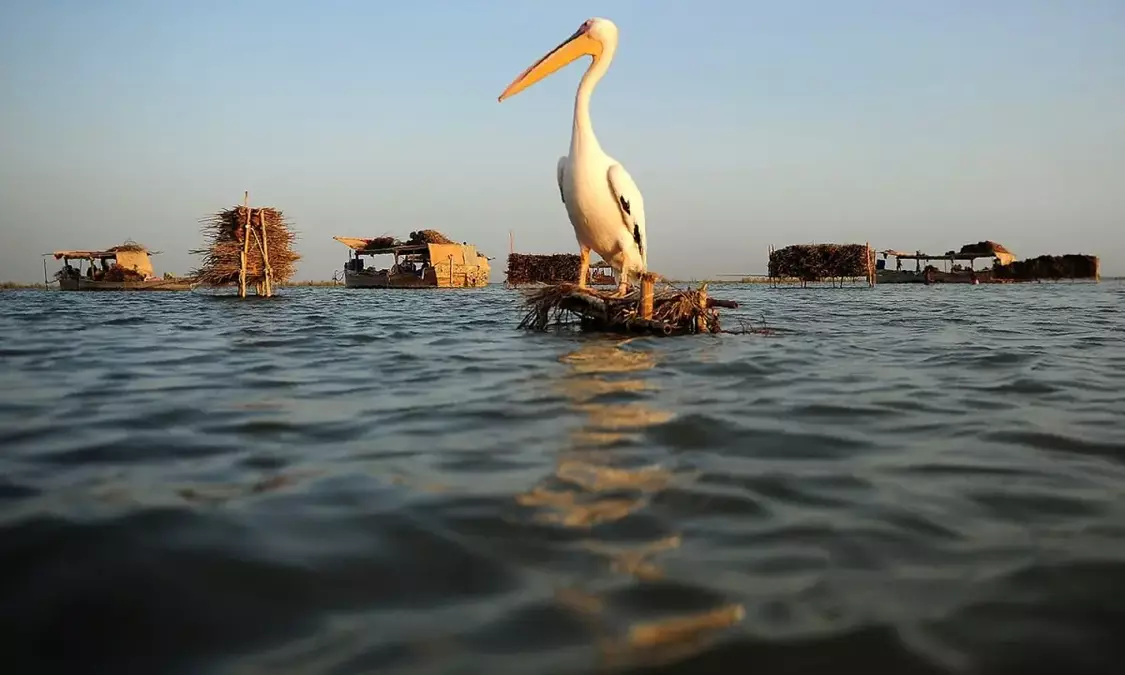
• Polluted water from Main Nara Valley Drain poses major threat to lake, says official• Area residents say their livelihoods are severely affected by declining fisheries DADU: Once known for its vast waters, rich fish resources, birdlife and centuries-old boat culture, Manchar Lake is now facing an environmental and social crisis as officials and residents report rising salinity, toxic inflows, declining fisheries and the collapse of the traditional livelihoods of communities that have lived around the lake for generations. The lake’s water level has recently risen to around 112 feet Reduced Level (RL), but the increase has brought little relief to communities dependent on its waters. Shir Mohammad, an official of the Sehwan Irrigation Department, told Dawn that the lake is currently recording about 4,000 Total Dissolved Solids (TDS), indicating severe salinity. Mr Mohammad said that Manchar was receiving approximately 2,000 cusecs of water daily from the Main Nara Valley Drain (MNVD). He said the drain carries saline and polluted water and that its continued inflow remains a major concern for the lake. He added that the lake’s water level stood at 108.4 feet RL on July 29, 2026. As the water level in the Indus River subsequently increased, Manchar received freshwater through the Aral Head and Aral Tail canals, raising its level to approximately 112 feet RL by Sept 1. Despite receiving roughly four feet of additional water from the Indus system, the lake’s salinity fell only from around 6,000 TDS to 4,000 TDS, he said. The official said the Indus has since receded and Manchar is no longer receiving significant freshwater from the river. The lake, he added, is now primarily receiving water from the MNVD. A lake losing its life For communities living beside Manchar, the crisis is not simply about water levels or salinity. It is about the disappearance of a way of life. Juman Khatoon, an elderly resident of the Shah Hassan area, said the lake had lost much of its former beauty and its traditional boat culture. Fishing, once the principal source of income for local families, has also been severely affected. “There is not a single fish variety remaining,” she said, describing the impact of increasing pollution on fishing communities. Ms Khatoon said families that once earned their livelihoods from the lake have been pushed into extreme poverty. She said generations of fishermen had lived on and around Manchar for centuries, maintaining a distinctive boat-based culture that is now disappearing. She called for a comprehensive rehabilitation programme for fishermen whose livelihoods have been destroyed by repeated environmental disasters. Shama Mallah, a resident of Bund Manchar near Bubak who said she has suffered from water-borne diseases, described the difficulties faced by families still living around the lake. She said 12 reverse-osmosis (RO) plants along Bund Manchar and another 38 in surrounding villages are dysfunctional, leaving residents dependent on privately supplied drinking water. Residents, she said, are paying around Rs30 per jerrycan to water tankers. Ms Mallah said many men from the community go to different coastal areas to catch fish because they can no longer earn enough from Manchar. Families remaining behind continue to face problems related to drinking water, healthcare and education. She lamented that the authorities are not doing anything to promote the lake or work for the betterment of the area people. What the experts say Water experts have repeatedly raised concerns about the quality and volume of drainage water entering Manchar. Dr Imran Aziz Tunio, a water-resources expert, urged the government to take urgent measures to protect the lake and rehabilitate its communities. He said a key intervention would be to prevent polluted MNVD water from entering Manchar and instead divert it towards the sea through completion of Right Bank Outfall Drain (RBOD-II). The issue is particularly significant because Manchar is not only an ecological asset but also supports surrounding agricultural land and communities. Environmentalist Nasir Panhwar said the damage extends beyond the human population to the lake’s birds, natural beauty and approximately 0.3 million acres of local agricultural land. The recent rise in Manchar’s water level illustrates the complexity of the crisis. A socio-economic expert, Khadim Soomro, told Dawn that for residents, the distinction between the quantity and quality of water is crucial. A higher water level can create the appearance of recovery while polluted inflows continue to affect the lake’s water quality and ecosystem. He said that the challenge before the authorities is twofold: restoring the ecological health of Manchar and ensuring that the people whose lives are tied to the lake are not left behind. Published in Dawn, October 5th, 2026








Comment