Alerts

-
9 minutes, 47 seconds
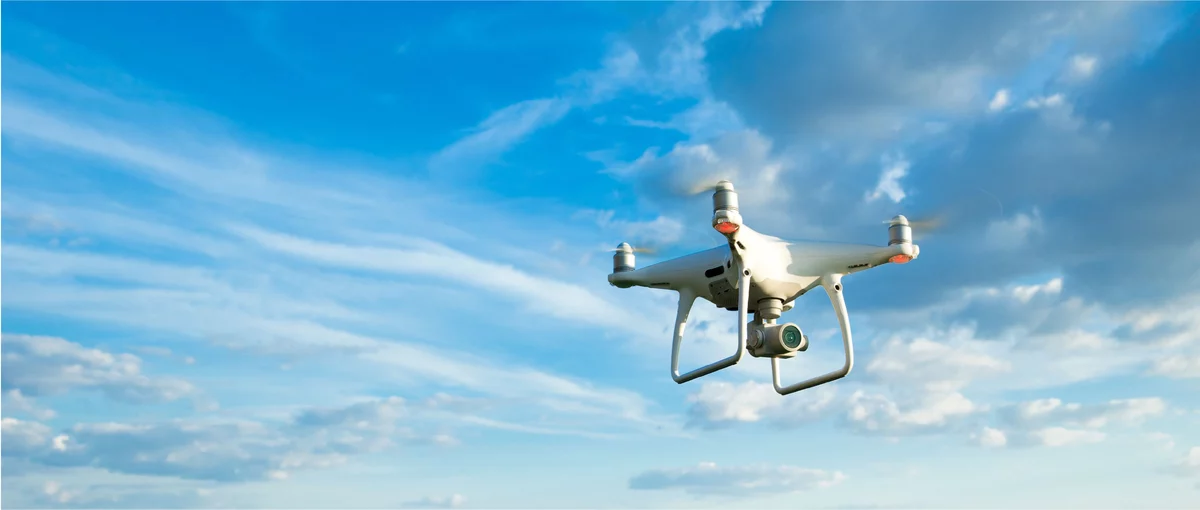
Drones have moved from being niche gadgets used mainly by hobbyists to important tools for agriculture, surveying, infrastructure, photography, logistics, disaster response and several other industries. As their use has expanded across India, regulation has become equally important. Anyone planning to buy, operate, manufacture or use a drone for commercial purposes needs to understand the legal framework before taking the aircraft into the sky.
India introduced the Drone Rules, 2021 to create a simpler regulatory structure for unmanned aircraft systems while maintaining safety and security requirements. The rules were notified by the Ministry of Civil Aviation on August 25, 2021, replacing the earlier UAS Rules, 2021. The government described the new framework as being based on trust, self-certification and non-intrusive monitoring.
For businesses and individual operators, understanding the basic requirements is essential. The regulations cover matters such as drone registration, type certification, remote pilot licensing, airspace restrictions, safe operation, accident reporting and penalties. At the same time, later amendments and regulatory directions mean that users should always check the latest requirements before conducting an operation.
A drone may be small, but its operation can affect people, buildings, aircraft and sensitive locations. An improperly operated drone can interfere with manned aviation, enter restricted airspace or create safety risks on the ground. Regulations therefore provide a framework for deciding where and how drones can be used.
The growth of drone applications also makes regulation important for businesses. Agriculture companies may use drones to collect field data, infrastructure companies can inspect large sites, survey firms can create maps, and logistics companies can explore aerial delivery models. Each use case can involve different operational considerations.
The original policy direction behind the Drone Rules 2021 was to reduce unnecessary administrative barriers while keeping safety requirements in place. The Ministry of Civil Aviation stated that the framework reduced the number of forms and fees and moved several processes toward a digital system.
The phrase "drone rules in India" covers more than simply obtaining permission to fly. Operators need to consider the aircraft category, purpose of operation, registration requirements, airspace classification and pilot requirements.
The Drone Rules, 2021 generally apply to people who own, possess, manufacture, import, export, trade, lease, operate, transfer or maintain drones in India. The rules also establish requirements concerning unmanned aircraft systems operating in or over Indian territory. Drones used by India's naval, military and air forces are outside the scope of these rules.
One important point is that drone regulation is not static. The Ministry of Civil Aviation has subsequently issued amendments, including the Drone (Amendment) Rules, 2022. Therefore, anyone relying on the 2021 framework should also verify later amendments and applicable directions.
Drone classification is relevant because different categories can have different operational and licensing requirements.
The regulatory framework distinguishes drones according to factors such as their maximum all-up weight. This classification helps determine which requirements apply to the aircraft and its operator.
For example, the framework provides specific exemptions for certain nano drones and for micro drones used for non-commercial purposes in relation to remote pilot licensing. The original rules stated that a remote pilot licence was not required for operating a nano unmanned aircraft system or a micro unmanned aircraft system for non-commercial purposes.
This does not mean that every small drone can be flown anywhere without restrictions. Safety obligations and airspace restrictions remain important. Operators should confirm the applicable requirements for their particular aircraft and activity before every flight.
One of the key compliance areas for drone owners is registration. Under the Drone Rules, 2021, an unmanned aircraft system generally needs to be registered on the Digital Sky platform and receive a Unique Identification Number, unless a specific exemption applies. The registration process connects the aircraft with information such as its manufacturer's serial number and relevant certification details.
Registration provides a way for authorities to associate an aircraft with its owner or operator. For commercial users operating multiple drones, maintaining accurate records is particularly important.
Companies should keep documentation relating to their drones, pilots, maintenance and operations in an organised manner. A proper internal compliance process can reduce the possibility of errors when equipment is transferred, modified or assigned to a different project.
One of the most important concepts for anyone searching for information about drone rules in India is airspace classification.
India's drone airspace framework uses colour-coded zones. The Digital Sky system provides an airspace map that identifies areas according to their operational restrictions. The broad categories include green, yellow and red zones. Government information explains that green zones represent areas where drone operations can take place subject to applicable conditions, while yellow and red zones carry greater restrictions.
A green zone should not be interpreted as a general licence to ignore all other requirements. The operator must still comply with the rules applicable to the aircraft and the intended activity.
Yellow and red zones are especially important because they can involve restrictions associated with airports, controlled airspace, sensitive installations or other protected locations. Before a flight, operators should consult the current official airspace information rather than relying on an old screenshot, map or social media post.
The Digital Sky platform was created as an online system for managing several aspects of India's drone ecosystem. The Drone Rules, 2021 envisaged it as a user-friendly single-window platform for drone-related processes.
Digital systems can make compliance easier for manufacturers, operators and pilots by reducing paperwork and bringing registration and related processes into one place.
For businesses, this also creates a need for accurate digital records. A company operating drones across different projects should maintain information about each aircraft, its identification details, applicable certificates, pilot credentials and operational documentation.
Keeping these records updated becomes even more important when a business expands its drone fleet or works across multiple locations.
The person controlling a drone is an important part of the safety framework. Under the rules, remote pilot licensing requirements depend on the applicable drone category and exemptions.
The original Drone Rules, 2021 provided a process through which individuals could complete prescribed training with an authorised remote pilot training organisation. After successful completion of training and testing, the relevant application process could proceed through the Digital Sky platform. The rules also specified eligibility requirements, including age and educational qualifications.
For businesses, pilot competency should be treated as more than a paperwork requirement. Operators need to understand flight controls, weather conditions, emergency procedures, airspace limitations and the specific risks associated with their work.
A construction company using drones for site inspection, for example, may require different practical skills from a photographer operating a lightweight camera drone.
Safety is a central principle of the regulatory framework. The Drone Rules state that no person should operate an unmanned aircraft system in a way that endangers the safety or security of people or property. The rules also address issues such as the right of way of manned aircraft and the carriage of prohibited or dangerous materials.
Operators should therefore assess conditions before every flight. Weather, visibility, nearby structures, people on the ground, power lines and other aircraft can all affect the safety of an operation.
Businesses should also develop basic operating procedures covering take-off, landing, battery management, communication, emergency response and equipment checks. A written process can help pilots follow the same safety standards across different assignments.
Drone operators cannot treat an unmanned aircraft as a general-purpose transport vehicle. The rules contain restrictions concerning arms, ammunition, explosives, military stores and dangerous goods.
The Drone Rules, 2021 specifically prohibit the carriage of certain weapons and military materials unless the required government permission has been obtained. Dangerous goods are also subject to applicable aviation requirements.
This is particularly relevant as commercial drone delivery develops. Companies planning to transport medicines, industrial materials or other goods need to evaluate not only drone regulations but also the rules that apply to the goods being transported.
Drone operators also have responsibilities when something goes wrong. The regulatory framework includes accident reporting requirements. The Drone Rules, 2021 stated that an accident involving an unmanned aircraft system had to be reported to the Director General through the Digital Sky platform within the specified period.
Companies should therefore have an incident response procedure in place before beginning commercial operations.
The procedure should explain who reports an incident, what information needs to be collected, how flight records are preserved and how the company communicates with relevant authorities. Prompt and accurate reporting can help demonstrate that an operator takes regulatory responsibilities seriously.
A practical compliance checklist can help businesses avoid common mistakes. Before operating a drone, an organisation should consider:
Aircraft classification: Confirm the category and applicable regulatory requirements.
Registration: Check whether the drone must be registered and whether it has the required identification.
Airspace: Review the current Digital Sky airspace map for the intended location.
Pilot requirements: Confirm whether the person operating the drone requires the relevant licence or falls within an exemption.
Purpose of operation: Identify whether the flight is recreational, commercial, research-related, surveying or another activity.
Safety assessment: Review people, buildings, aircraft, weather and other hazards around the flight area.
Equipment condition: Check batteries, controls, propellers, communication systems and other relevant components.
Documentation: Keep required records available and current.
Incident process: Establish a procedure for accidents, loss of control or other safety events.
Regulatory updates: Check official DGCA and Ministry of Civil Aviation sources because requirements can change.
The introduction of the Drone Rules 2021 represented an important change in India's approach to drone regulation, but businesses should not assume that the original 2021 text is the complete regulatory position today.
The Ministry of Civil Aviation lists the Drone Rules, 2021 along with subsequent amendments in its regulatory resources. The DGCA also maintains drone-related rules and regulatory material.
This matters for businesses making long-term investments in drone technology. A company may purchase aircraft, software and sensors for a project lasting several years. Regulatory changes during that period can affect training, registration, equipment requirements or operating procedures.
Regular compliance reviews can help organisations identify such changes before they affect an active project.
India's drone sector has applications across agriculture, infrastructure, mining, surveying, emergency response, logistics and other industries. The government has also identified drones as an area with potential for employment, innovation and economic growth.
As adoption increases, the distinction between a hobby device and a professional aviation tool will become increasingly important. Businesses using drones should therefore combine technology investment with proper training, documentation and regulatory awareness.
For individuals, the same principle applies. Buying a drone is only the first step. Understanding where it can be flown, who can operate it and what restrictions apply is part of responsible ownership.
The regulatory framework for unmanned aircraft in India has created a more structured environment for drone ownership and commercial operations. The Drone Rules, 2021 introduced a framework covering registration, certification, airspace, pilot requirements, safety and enforcement, while subsequent changes have continued to shape the sector.
Anyone researching drone rules in India should focus on the complete compliance picture rather than a single requirement. Checking the aircraft category, registration status, pilot requirements, current airspace classification and latest government directions can help reduce regulatory and safety risks.
For businesses, compliance should be part of the operating process from the beginning. As drone technology becomes more common across Indian industries, organisations that combine responsible flight practices with regular regulatory checks will be better prepared to use drones safely and lawfully.

8.6K articles

6.2K articles

2.8K articles

1.6K articles









Comment