
Alerts
-
6 minutes, 41 seconds
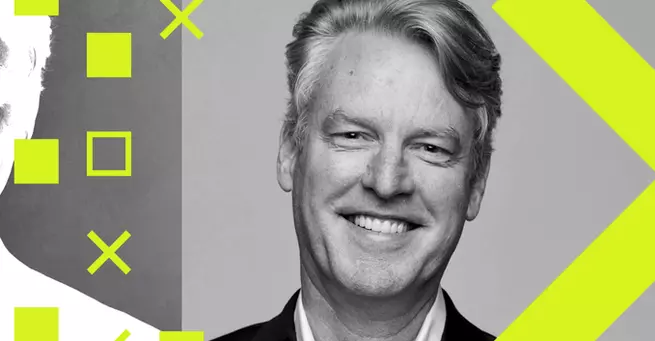
Docusign CEO Allan Thygesen believes artificial intelligence will reshape how contracts are written, reviewed, and signed—but not without serious risks. As businesses search for faster ways to understand complex agreements, many are asking whether AI can safely summarize contracts, flag risks, or even write legal language. Thygesen’s answer is nuanced: avoiding AI altogether is no longer realistic, but trusting it blindly could create costly mistakes. His perspective highlights why contract automation is entering a critical, high-stakes phase.
Most people associate Docusign with digital signatures, yet the company has quietly grown into a much broader agreement platform. Thousands of employees now work on tools that manage the full contract lifecycle, from drafting and negotiation to execution and storage. According to Thygesen, the goal is no longer just getting a signature faster. The real challenge is helping people understand what they are signing in the first place.
Contracts are often long, repetitive, and filled with legal language that slows decisions. Businesses want clarity without delay, which explains the growing pressure to introduce AI-driven summaries and insights. Docusign sees this demand daily from customers who are overwhelmed by volume rather than complexity alone.
AI systems excel at scanning large documents and extracting patterns in seconds. For contracts, this means highlighting key clauses, renewal dates, obligations, and potential risks almost instantly. Thygesen acknowledges that this capability is incredibly attractive, especially for non-lawyers who just want a clear overview before signing.
Speed is another major factor. Deals move faster than ever, and waiting days for manual reviews can stall revenue or partnerships. AI promises near-instant feedback, which is why companies are eager to deploy it. In competitive markets, not offering AI-assisted contract tools could quickly put a platform at a disadvantage.
Despite the benefits, Thygesen repeatedly stresses that legal language is unforgiving. A single misinterpreted clause can change liability, payment terms, or compliance obligations. AI models, even advanced ones, do not truly understand intent or context the way humans do. They predict language rather than reason about consequences.
This creates a dangerous illusion of confidence. If an AI summary sounds authoritative, users may assume it is correct without double-checking the source. Thygesen warns that this overreliance could lead to people signing agreements they do not fully understand, simply because the AI made them feel comfortable.
Even with these risks, Thygesen is clear that refusing to offer AI features is not a viable strategy. Customers expect intelligent tools, and competitors are racing to provide them. The question is not whether AI belongs in contract workflows, but how it should be designed and governed.
Docusign’s approach focuses on assistance rather than replacement. AI can highlight, suggest, and summarize, but final responsibility must remain with humans. Thygesen believes platforms must constantly remind users that AI output is guidance, not legal truth.
One of Thygesen’s strongest points is that AI should increase awareness, not reduce it. Instead of encouraging blind trust, contract tools should prompt users to review original clauses and understand why something matters. This design philosophy aligns with growing calls for responsible AI, especially in legally sensitive areas.
By embedding transparency and friction where it matters, Docusign aims to prevent automation from becoming recklessness. The company sees trust as its most valuable asset, and Thygesen argues that a single high-profile AI failure could damage confidence across the entire industry.
For companies adopting AI-powered contract tools, Thygesen’s message is a cautionary one. AI can save time and surface insights, but it does not replace legal judgment. Teams still need training, clear workflows, and accountability when decisions are made based on automated summaries.
Professionals should treat AI as a smart assistant, not an authority. Reading original language, consulting experts when needed, and understanding limitations remain essential. As AI becomes more common in contract management, those who balance speed with skepticism will be better protected.
Looking ahead, Thygesen expects AI to become deeply embedded in how agreements are handled. Improvements in accuracy, explainability, and customization will reduce risk over time. Still, the core principle will not change: contracts are too important to leave entirely to machines.
Docusign’s CEO believes the future belongs to platforms that respect both innovation and responsibility. AI will help people move faster and smarter, but only if it is built with humility about what it cannot do. In the world of contracts, trust is earned slowly—and can be lost instantly.










Comment