
Alerts
-
2 minutes, 5 seconds
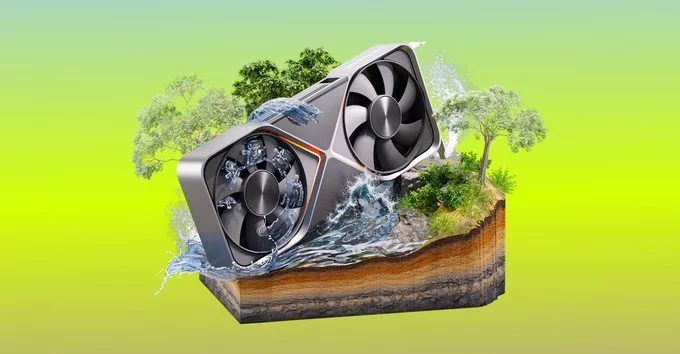
The short answer is yes. Potential AI-driven advances in weather forecasting and wildlife conservation can absolutely justify the environmental footprint of a data center — but only if we manage that footprint responsibly. As AI grows, so does the energy needed to power it. But when you compare the life-saving benefits of accurate storm predictions or species protection to the energy cost, the value becomes clear.
Data centers are the backbone of modern AI. They house thousands of GPUs (graphics processing units) that train complex models. These models can predict hurricanes days in advance or track endangered animals using satellite images. The environmental cost is real, but so are the benefits.
It's a fair question. GPUs in gaming PCs and iPhones also consume energy, and they often don't serve a life-saving purpose. But here's the key difference: data centers run 24/7 and serve millions of users, while personal devices are used intermittently and are becoming more efficient. That doesn't mean we shouldn't scrutinize them. Every watt counts.
We can enjoy AI's benefits without destroying the planet. Here are practical ways to reduce the carbon cost:
Let's break it down simply:
The real question isn't whether one deserves more scrutiny. It's how we can make all tech greener. As consumers, we can support companies that use clean energy and demand transparency about carbon emissions.
AI-driven advances in weather forecasting and wildlife conservation are worth the environmental cost — if we commit to sustainable practices. Gaming GPUs and iPhones deserve scrutiny too, but their impact is smaller and easier to manage. The future of AI depends on balancing innovation with responsibility.










Comment