DLSS 5 Arrives: But Is It Really a Game-Changer?
Gamers are buzzing about Nvidia’s latest upscaling technology, DLSS 5, which promises “photorealistic lighting and materials” in video games. But reactions online suggest the hype might be oversold. Players are noticing that iconic characters now resemble generic AI-generated faces, losing the unique features that made them recognizable. From Hogwarts Legacy students to Liverpool captain Virgil van Dijk, Nvidia’s newest tech seems to flatten identities rather than enhance them.
DLSS 5 is being marketed as the company’s most ambitious graphics leap since real-time ray tracing. Yet, early previews have sparked a debate: is this true innovation, or just another layer of motion-smoothing-like distortion? Gamers and critics alike are questioning whether this feature genuinely elevates game visuals or homogenizes them.
How DLSS 5 Alters Character Faces
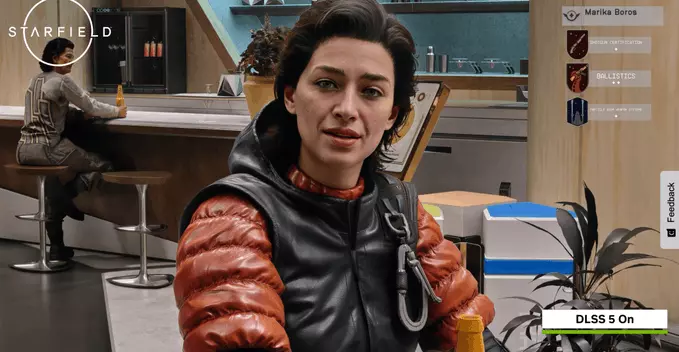
Unlike previous iterations, DLSS 5 doesn’t just improve resolution—it actively modifies how characters appear. This “AI face” approach smooths and refines textures, often to the point of erasing recognizable traits. Resident Evil Requiem’s protagonist, Grace, and the Hogwarts Legacy students have been described as looking overly polished, almost Instagram-filtered. Even real-world figures, when rendered in-game, risk being unrecognizable.
The technology effectively imposes a uniform AI-generated style across all graphics. While Nvidia positions this as an artistic improvement, players report that it feels artificial and impersonal. It’s reminiscent of motion smoothing on TVs but taken further—facial identities are shifted, creating an uncanny valley effect for fans of realism.
What Gamers Should Know Before DLSS 5 Launches
DLSS 5 won’t appear in games immediately. The official release is set for this fall, and it will require high-end hardware to run smoothly. Importantly, the feature is optional, giving players the choice to enable or disable it. Game developers, however, are embracing this style. Starfield, for example, is slated to support DLSS 5, with Bethesda’s Todd Howard stating that it allows “artistic style and detail to shine without traditional rendering limits.”
Players can rest assured that older versions of games remain untouched, so your favorite characters won’t suddenly become AI facsimiles. Still, the upcoming feature signals a shift in how major studios are thinking about visual fidelity—one that blends cutting-edge AI with creative design, for better or worse.
Community Reaction and Concerns
Online forums and social media have been awash with reactions ranging from curiosity to concern. Fans appreciate the potential for richer textures and lighting effects, but the uniform AI look has sparked debate about creative authenticity. Some argue that DLSS 5 might standardize visuals too much, stripping characters of individuality.
The discussion highlights a growing tension in gaming: the balance between technical innovation and maintaining the soul of beloved characters. While DLSS 5 represents Nvidia’s commitment to pushing graphics forward, it also raises questions about whether AI can enhance storytelling or if it risks undermining it.
Looking Ahead: Is DLSS 5 Worth the Hype?
DLSS 5 is ambitious, promising a leap in visual quality that could redefine PC gaming graphics. Yet, the technology’s tendency to homogenize faces and flatten character traits shows that innovation can come with trade-offs. Gamers will need to weigh whether the aesthetic benefits outweigh the loss of individuality in their favorite games.
As Nvidia prepares the fall launch, anticipation and skepticism continue to grow. For now, DLSS 5 remains a fascinating glimpse at how AI can reshape the gaming world—sometimes in ways fans aren’t entirely ready to accept.








Comment