
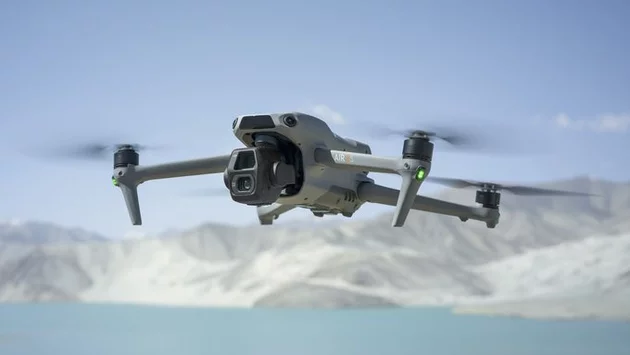
If you’re a U.S. owner of a DJI drone, camera, or gimbal, you’ve likely seen headlines warning of a “DJI ban” taking effect in late 2025. So—can you still fly your Mini 4K? Use your DJI Mic 2? The short answer: yes. The December 23, 2025 deadline imposed by the National Defense Authorization Act (NDAA) has triggered new federal restrictions, but existing DJI gear remains fully usable for now.
The ban stems from national security concerns outlined in the FY25 NDAA, which mandated a federal audit of DJI’s data practices by December 23, 2025. According to DJI, no U.S. agency was ever assigned to conduct that audit—despite the company’s repeated offers to cooperate. With the deadline missed, DJI and other foreign drone makers were automatically added to the FCC’s “Covered List,” effectively blocking new sales and imports of their products into the U.S.
Despite the ban’s ominous tone, existing owners shouldn’t panic. The restrictions apply only to new DJI products entering the U.S. market. That means your Mini 3 Pro, Air 3S, Osmo Mobile 6, or DJI Mic 2 will continue working as normal. Firmware updates, mobile apps, and cloud services also remain accessible—at least for the foreseeable future. DJI confirmed it has no intention of remotely disabling devices already in users’ hands.
This is where things get murkier. While DJI hasn’t announced plans to halt U.S. support, the ban could disrupt the supply of replacement parts, batteries, or new accessories over time. Authorized U.S. repair centers may face challenges sourcing components, and third-party retailers could stop stocking DJI gear altogether. Users should consider stocking up on critical spares—like flight batteries or propellers—if they rely heavily on their drones.
For commercial pilots, filmmakers, and public safety teams, the DJI ban poses a more immediate challenge. New fleet purchases are now off the table, and insurance or compliance policies may soon require non-Chinese alternatives. Companies like Skydio and Autel are already marketing themselves as “U.S.-friendly” options, though they lack DJI’s ecosystem depth and price competitiveness. Transitioning away from DJI could mean retraining staff and recalibrating entire workflows.
There’s still room for negotiation. DJI has long maintained its hardware doesn’t transmit U.S. user data to China, and it’s pushed for a transparent, third-party audit to prove it. With bipartisan support for tech accountability—but also concern over crushing innovation—Congress could revisit the NDAA provisions in 2026. Until then, the Covered List stands, and the door to new DJI sales in the U.S. is effectively closed.
First: keep flying. Second: back up your media and sync your device settings. Third: stay informed through official DJI channels and trusted tech news sources. While panic isn’t warranted, awareness is key. The drone landscape is shifting, but your current investment remains intact—for now. As one DJI spokesperson put it: “We’re not going anywhere. We’re just fighting to stay in your skies.”
DJI Ban 2025: What U.S. Drone Owners Need to ... 0 0 0 4 2
2 photos

𝗦𝗲𝗺𝗮𝘀𝗼𝗰𝗶𝗮𝗹 𝗶𝘀 𝘄𝗵𝗲𝗿𝗲 𝗽𝗲𝗼𝗽𝗹𝗲 𝗰𝗼𝗻𝗻𝗲𝗰𝘁, 𝗴𝗿𝗼𝘄, 𝗮𝗻𝗱 𝗳𝗶𝗻𝗱 𝗼𝗽𝗽𝗼𝗿𝘁𝘂𝗻𝗶𝘁𝗶𝗲𝘀.
From jobs and gigs to communities, events, and real conversations — we bring people and ideas together in one simple, meaningful space.




Comments