
-
6 minutes, 45 seconds
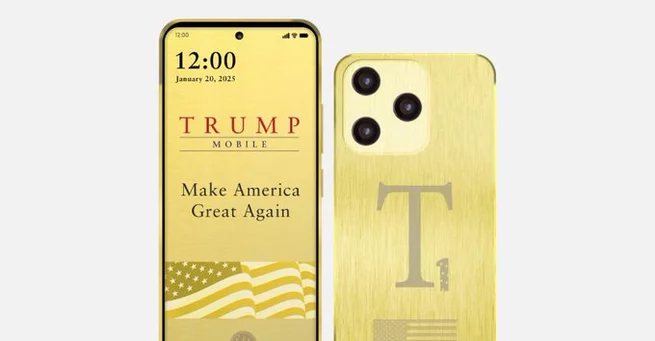
Democrats push FTC to investigate Trump Mobile as concerns mount over whether the company has misled consumers about its smartphone promises. Lawmakers say the brand accepted deposits, promoted questionable marketing claims, and failed to deliver a product months after launch. At the center of the issue is whether consumer protection laws are being applied consistently, regardless of political connections. The request now puts federal regulators under pressure to respond publicly.
A group of Democratic lawmakers has formally urged the Federal Trade Commission to investigate Trump Mobile for what they describe as potential false advertising and deceptive practices. The request comes more than six months after the company announced its flagship T1 Phone, which has yet to ship to any customers. Despite the lack of a finished product, Trump Mobile has continued to collect deposits from interested buyers.
Lawmakers argue that the gap between marketing promises and actual delivery raises red flags. In their view, consumers may have been led to believe the phone was closer to release than it truly was. The letter asks whether the FTC has already opened an inquiry and, if not, why enforcement action has not begun.
One of the central issues highlighted by lawmakers involves Trump Mobile’s earlier use of “Made in America” branding. That language has since been removed from the company’s promotional materials, but critics say it may have already influenced consumer decisions. Claims about domestic manufacturing often carry emotional and economic weight, particularly among buyers who prioritize U.S.-based production.
According to the lawmakers, removing the label without explanation does not resolve whether the original claim was accurate. They argue that if the branding was misleading, it could represent a clear violation of consumer protection standards. This issue is especially sensitive given the political symbolism often attached to manufacturing claims.
Another concern raised in the letter is Trump Mobile’s continued acceptance of $100 deposits for the T1 Phone. Customers placed these deposits with the expectation that a finished device would follow within a reasonable timeframe. However, no confirmed shipping dates or production updates have been provided publicly.
Lawmakers say this creates uncertainty for consumers who may feel locked into a purchase without transparency. They argue that taking money while offering limited information about delivery could be considered an unfair business practice. The absence of refunds or clear timelines only intensifies scrutiny.
Marketing imagery has also become a point of controversy. A social media advertisement promoting the T1 Phone allegedly used an edited render of an existing high-end smartphone rather than an original product image. Lawmakers say this could mislead consumers into believing the phone already exists in a finalized form.
Visual marketing plays a powerful role in consumer trust. When images do not accurately represent a real product, buyers may form expectations that cannot be met. The letter suggests this tactic may cross the line from hype into deception.
Beyond the specific allegations, the letter carries a broader message about regulatory independence. The lawmakers stress that consumer protection laws must apply equally to all companies, regardless of political influence or public profile. They frame the situation as a test of whether the FTC can enforce its mission without fear or favoritism.
The letter states that public confidence in regulatory agencies depends on consistent enforcement. If violations are ignored or delayed, it could weaken trust in consumer protection as a whole. Lawmakers are asking the FTC to make its position clear.
This is not the first time Trump Mobile has drawn attention from lawmakers. Several of the same officials previously signed a separate letter expressing concern about potential political pressure on regulators. That earlier communication asked agencies how they planned to prevent undue influence when overseeing businesses tied to powerful political figures.
By referencing that earlier effort, lawmakers are signaling that their concerns are ongoing. They want assurances that enforcement decisions are based solely on facts and law. The renewed push suggests growing frustration with the lack of visible action.
At this stage, the FTC has not publicly confirmed whether an investigation is underway. If regulators choose to act, the process could involve requests for documentation, marketing records, and internal communications. Such an inquiry would aim to determine whether consumers were misled or financially harmed.
For buyers who placed deposits, the outcome could clarify whether refunds or corrective actions are warranted. For the broader tech industry, the case may serve as a warning about promoting products before they are ready. As Democrats push FTC to investigate Trump Mobile, the spotlight remains firmly on how consumer trust is protected in high-profile launches.

2.5K articles

1.4K articles

34 articles

28 articles













Comment