Alerts

-
2 minutes, 35 seconds
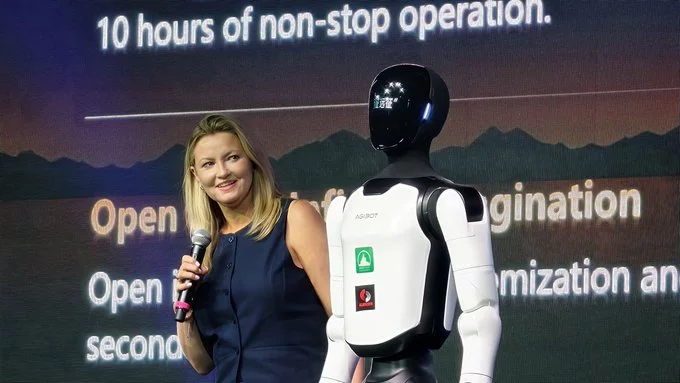
Agibot, a leading Chinese robotics company, envisions a future where humanoid robots handle dangerous jobs like firefighting and heavy lifting — and eventually take on roles as teachers for children. This bold vision highlights the rapid advancement of humanoid robotics, promising safer workplaces and innovative education tools.
Humanoid robots are machines designed to look and move like humans. They have two arms, two legs, and a head, allowing them to perform tasks in environments built for people. Agibot specializes in creating these robots for real-world applications.
One of the main goals for Agibot is to replace humans in hazardous workplaces. This includes industries like construction, mining, and disaster response. By deploying humanoids, companies can reduce injury risks and improve efficiency.
Agibot’s robots are already being tested in factories to perform repetitive or risky tasks, freeing human workers for safer roles.
Agibot also sees a future where humanoid robots become teachers in classrooms. These robots could help with subjects like math and science, offering personalized lessons and engaging students with interactive activities.
While this idea is still in early stages, Agibot believes it could transform education by making learning more accessible and fun.
Founded in 2022, Agibot has quickly become a key player in the robotics industry. The company focuses on creating affordable and practical humanoids for everyday use. Their technology combines AI, machine learning, and advanced mechanics to build robots that can learn and improve over time.
With partnerships across Asia and Europe, Agibot is pushing the boundaries of what humanoids can achieve.
Despite the promise, humanoid robots face hurdles. High costs, technical limitations, and public skepticism remain barriers. Additionally, ethical questions about robots teaching children or replacing human workers need careful thought.
Agibot addresses these concerns by emphasizing safety and transparency in their designs. They also work with regulators to ensure robots are used responsibly.
As humanoid robots become more common, they will impact jobs, education, and daily life. For workers, this means safer environments. For parents, it might mean new learning tools for kids. Staying informed about these changes can help you adapt and benefit from the robot revolution.
Agibot’s vision is a glimpse into a future where robots are partners in building a better world — from dangerous jobs to inspiring young minds.









Comment