Alerts

-
2 minutes, 18 seconds
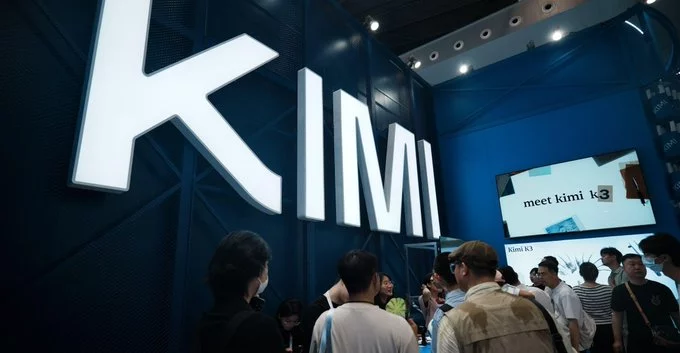
In a surprising turn of events, China has delivered a one-two punch to America’s AI dominance. This bold move is reshaping the global artificial intelligence landscape and raising questions about the future of US tech leadership. From advanced chips to cutting-edge language models, China is closing the gap faster than many expected.
The term refers to two strategic moves by China that challenge US supremacy in AI. First, China has accelerated its domestic chip production, reducing reliance on foreign suppliers. Second, it has launched powerful AI models that rival top US systems like GPT-4. Together, these actions create a powerful threat to America’s lead.
China has invested heavily in semiconductor technology. Companies like Huawei and SMIC are now producing advanced chips for AI training. This reduces the impact of US export controls and gives China more control over its AI supply chain.
China has also released competitive AI models. For instance, Baidu’s ERNIE Bot and Alibaba’s Qwen have shown impressive capabilities in language understanding and generation. These models are now being used in education, healthcare, and business across Asia.
For years, the US has led the world in AI research, investment, and deployment. But China’s one-two punch signals a shift. The US now faces real competition in both hardware and software. This could affect global tech markets, national security, and innovation speed.
To stay ahead, the US must invest more in AI research, support domestic chip manufacturing, and foster international partnerships. It’s not about slowing China down but about accelerating American progress.
The competition is now a two-horse race. China’s one-two punch means the US cannot rest on its laurels. For businesses and investors, this creates both risks and opportunities. Companies that adapt quickly will thrive in a multi-polar AI world.
In short, China has delivered a one-two punch to America’s AI dominance. The US must respond with innovation, investment, and strategic focus. The next few years will define who leads the AI revolution.









Comment