
Alerts
-
5 minutes, 10 seconds
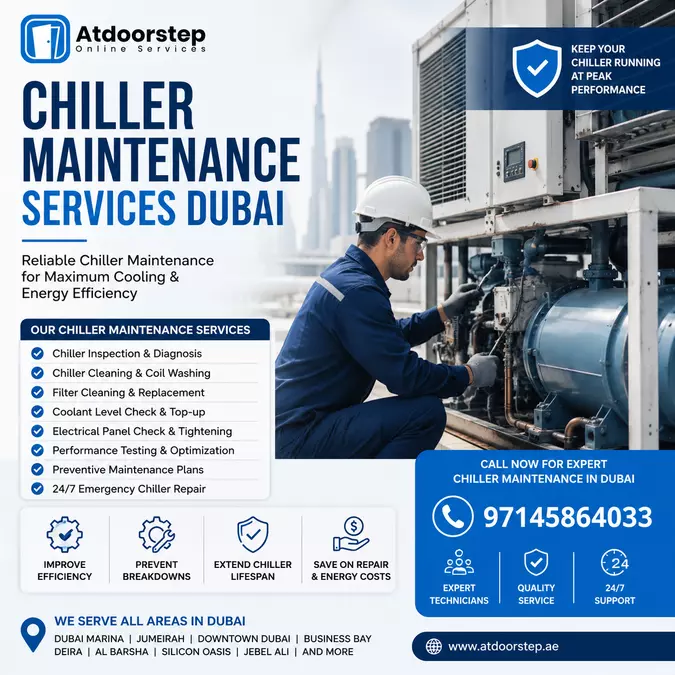
Chillers are key cooling systems for many places. They are used in commercial buildings, hotels, offices, hospitals, and industrial sites. Regular maintenance is needed to keep them running efficiently. They often operate for long hours. Without proper maintenance, small issues can grow into big problems. This can lead to higher energy bills, unexpected downtime, and costly part replacements.
A preventive maintenance routine spots problems before they impact the whole cooling system. Here are some handy tips for chiller maintenance. They can boost performance and help avoid expensive repairs.
The condenser plays an important role in removing heat from the chiller system. Dirt, dust, scale, and other buildup can reduce heat-transfer efficiency.
When the condenser becomes dirty, the chiller may need to work harder to maintain the required temperature. This can increase energy consumption and put additional stress on the compressor.
Cleaning regularly helps heat transfer. This lets the system run more efficiently. The cleaning frequency depends on the chiller type, its use, and the environment around it.
Proper water circulation is essential for effective cooling. Restricted water flow can occur because of clogged filters, blocked pipes, faulty valves, or pump issues.
During maintenance, technicians should check water flow. They must also look for any unusual changes in pressure or temperature. Identifying restricted flow early can help prevent unnecessary strain on the system.
If water circulation is poor, simply increasing the operating settings may not solve the problem. The underlying cause should be identified and corrected.
Refrigerant plays a critical role in the cooling cycle. If the refrigerant level is low, cooling performance drops. This can stress the compressor.
A low refrigerant level can sometimes indicate a leak rather than normal refrigerant loss. Therefore, technicians should investigate the cause instead of simply adding more refrigerant.
Regular inspection helps identify refrigerant-related issues before they result in poor cooling or major system damage.
For systems that use air filters, keeping the filters clean is an important part of routine maintenance. Dirty filters can restrict airflow and make the system work harder.
Reduced airflow can affect cooling performance and increase operating costs. In dusty environments, filters may become dirty faster and require more frequent inspection.
Cleaning or replacing filters as the manufacturer suggests keeps airflow right and boosts system efficiency.
Water pipes, fittings, valves, and connections should be inspected regularly for signs of leakage or damage. A small leak can lead to water loss. It may also cause corrosion, insulation damage, and harm to nearby property.
Look for water stains, dripping, moisture, rust, or unusual deposits around pipe joints and fittings. Any recurring leak should be investigated rather than temporarily covered.
Early repair of a small leak is generally easier and less expensive than dealing with extensive water damage later.
Proper insulation helps prevent heat gain and condensation around chilled-water pipes. Damaged, wet, or deteriorated insulation can reduce system efficiency and create moisture problems.
During maintenance, insulation should be checked for cracks, gaps, compression, or water damage. Replacing damaged sections can help maintain the required temperature and reduce condensation.
Good insulation matters a lot in warm, humid places. Here, condensation can be a common problem.
The compressor is one of the most important and expensive components of a chiller. Compressor problems can significantly affect the entire cooling system.
Unusual sounds, vibration, overheating, high operating pressure, or reduced cooling performance may indicate a developing compressor issue.
Regular monitoring allows technicians to identify abnormal operating conditions early. Addressing smaller problems before they cause compressor failure can potentially prevent a major repair or replacement.
Electrical problems can cause unexpected shutdowns and may damage expensive chiller components. Inspect electrical connections, control panels, contactors, relays, sensors, and other components during scheduled maintenance.
Loose connections, overheating, damaged wiring, or abnormal readings should be addressed promptly.
Qualified professionals should always conduct electrical inspections. Working inside electrical panels can be dangerous without the right knowledge and safety measures.
Monitoring pressure and temperature readings helps you understand the chiller's condition.
Sudden changes from normal operating values may indicate problems with water flow, refrigerant, heat transfer, or other components. Maintaining a record of readings can also help technicians identify gradual performance changes.
If the system often runs outside its recommended range, it needs inspection. This helps catch issues before they get worse.
Regular maintenance is one of the best ways to stop unexpected chiller failures. A technician can inspect components that may not be easy to evaluate during a basic visual check.
A preventive maintenance visit may include cleaning, leak inspection, electrical checks, pressure monitoring, component testing, and performance evaluation.
Businesses that rely on constant cooling should get regular professional service. This can lower the risk of unexpected breakdowns. If you find a developing fault, getting Chiller Repair Dubai help early can stop the problem from getting costlier.
Small changes in chiller performance should not be overlooked. Warning signs may include:
Unusual noises or vibrations
Reduced cooling capacity
Higher electricity consumption
Water or refrigerant leaks
Frequent system shutdowns
Unusual pressure readings
Compressor overheating
Ice formation on unexpected areas
Repeated alarm or error messages
These symptoms may appear before a major failure. Investigating them early can help reduce downtime and repair costs.
A well-kept chiller offers many benefits. It boosts energy efficiency and ensures reliable cooling. You’ll see longer component life and fewer unexpected breakdowns. Overall, it improves system performance.
Preventive maintenance helps spot worn parts before they fully fail. This allows businesses to plan repairs and replacements instead of dealing with emergency breakdowns.
Chiller maintenance is an ongoing process. It shouldn’t just happen after a breakdown. To ensure reliable operation, clean heat-transfer components. Check water flow, inspect pipes, and monitor pressure and temperature. Also, maintain insulation and check electrical components.
Most importantly, unusual changes in cooling performance should be investigated promptly. A consistent preventive maintenance schedule can reduce the likelihood of major failures, control operating costs, and help keep the chiller running efficiently for longer.



Comment