
-
5 minutes, 22 seconds
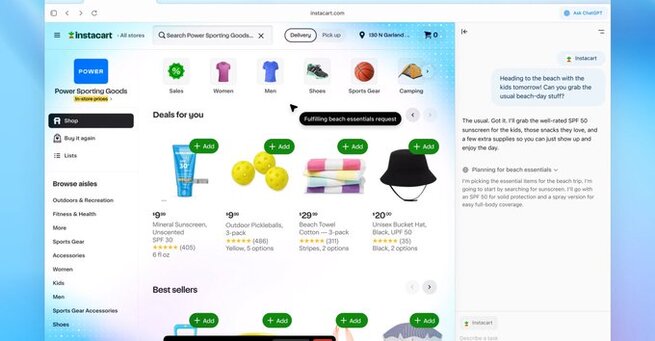
OpenAI’s AI-powered browser, ChatGPT Atlas, is here, and it’s redefining how people explore the internet. Announced during a livestreamed demo, the new browser blends intelligent automation with an intuitive chat experience—what CEO Sam Altman calls “the future of how people use the web.”
According to OpenAI, ChatGPT Atlas isn’t just another browser—it’s an AI companion built right into your daily online activity. Available globally on macOS starting today, with Windows, iOS, and Android versions coming soon, Atlas is designed to make web browsing more interactive, personal, and efficient.
During the livestream, Altman described ChatGPT as “the beating heart of Atlas,” hinting at how deeply integrated AI is in the browsing experience. From real-time responses to personalized search results, Atlas transforms passive web use into active, intelligent assistance.
For now, Atlas’s powerful agent mode is exclusive to ChatGPT Plus and Pro subscribers. This feature allows users to automate complex tasks such as booking reservations, editing documents, or managing workflows—all directly within the browser.
Altman explained, “The way that we hope people will use the internet in the future… the chat experience in a web browser can be a great analog.” This means users can chat with the web, not just browse it.
The ChatGPT Atlas livestream featured several key OpenAI employees who helped bring the project to life. Among them were:
Will Ellsworth, post-training research specialist
Adam Fry, product lead for ChatGPT Search
Ben Goodger, former developer of Google Chrome and Mozilla Firefox
Ryan O’Rouke, interface designer
Justin Rushing, former Apple engineer
Pranav Vishnu, AI systems engineer
Their combined experience from leading tech companies like Google, Mozilla, and Apple signals that OpenAI is serious about making Atlas a world-class browser.
One of the standout features of OpenAI’s AI-powered browser, ChatGPT Atlas, is its intelligent memory system. Adam Fry highlighted how Atlas “remembers your preferences, searches, and patterns” to make browsing more personal. The goal is to create a browser that learns from you—turning routine searches into customized experiences.
This personalization could make Atlas a powerful alternative to traditional browsers like Chrome or Safari, especially for users who want an AI that evolves alongside their habits.
Unlike typical browsers, ChatGPT Atlas merges AI-driven conversation with real-time navigation. Users can ask natural-language questions, perform tasks, and manage content seamlessly without switching between tabs or apps.
With its agent mode and memory functions, Atlas could transform web browsing into something much more dynamic—an AI-powered experience that understands context and acts intelligently.
Although ChatGPT Atlas is currently available only on macOS, OpenAI has confirmed plans to roll it out to more platforms soon. Once Android, iOS, and Windows versions launch, the browser could quickly gain traction among everyday users and professionals alike.
Given OpenAI’s existing ecosystem—ChatGPT, DALL·E, and Codex—Atlas might become a central hub connecting all of OpenAI’s AI tools in one intuitive interface.
OpenAI’s AI-powered browser, ChatGPT Atlas, marks a major leap in how we interact with the internet. By merging natural conversation with smart automation, OpenAI is not just competing with Google—it’s redefining what a browser can be.
As AI becomes a deeper part of daily life, tools like Atlas point toward a future where browsing is less about typing and more about talking. For users seeking smarter, faster, and more intuitive web experiences, ChatGPT Atlas may just be the browser of tomorrow.

2.6K articles

1.4K articles

34 articles

28 articles














Comment