Alerts

-
4 minutes, 57 seconds
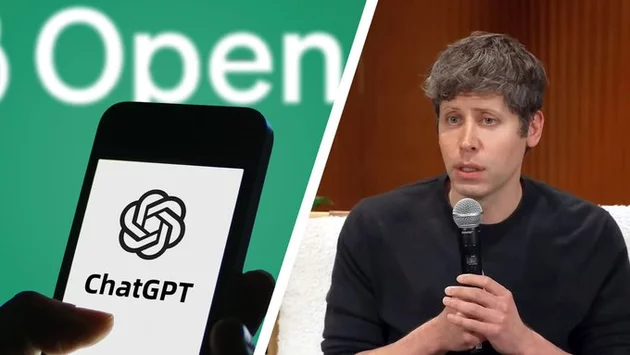
OpenAI is reportedly planning to introduce ads inside ChatGPT, and early signals suggest the pricing could rival some of the most expensive advertising slots in the world. Sources indicate rates could reach $60 per 1,000 impressions, putting them in the same league as premium NFL broadcasts, including the coveted Super Bowl spots.
For advertisers, this raises a key question: will paying top-dollar for ChatGPT exposure deliver the return on investment expected from such a high-profile platform?
Unlike traditional digital advertising, ChatGPT’s ad model appears to focus entirely on impressions rather than clicks or other engagement metrics. This means advertisers pay for how often an ad is displayed to users, not how often someone interacts with it.
Without detailed engagement data, businesses could find it difficult to measure the true impact of their campaigns. Analysts warn that click-through rates (CTR) may be far lower than on search platforms like Google, where performance tracking is far more granular.
OpenAI’s proposed ad system will affect free ChatGPT users, while those subscribed to GPT Plus could continue using the platform ad-free. This separation could create tension among users, but it also gives advertisers access to a large, highly engaged audience who may not be reached elsewhere.
For brands, this model is a double-edged sword: it provides premium visibility, but only for users who are less likely to pay for the subscription themselves, potentially limiting ad effectiveness.
To put this into perspective, Super Bowl ads are among the priciest in the world, with 30-second spots costing millions of dollars. ChatGPT’s per-impression pricing reportedly sits in a similar range when scaled for audience size, signaling that OpenAI sees its AI chat platform as a high-value media property.
However, unlike live sports, ChatGPT lacks real-time engagement data. NFL advertisers can track viewership trends and audience demographics with precision, whereas ChatGPT may only provide raw impression counts, leaving much of campaign performance to guesswork.
OpenAI has not released full performance metrics for its ads. Key information such as click rates, outbound link performance, and conversion tracking remains undisclosed. This uncertainty has sparked debate among marketing experts about whether ChatGPT’s premium pricing can justify the expense.
Some advertisers argue that the platform’s captive and attentive audience may still provide value, particularly for brand awareness campaigns, while others caution that impression-based billing could inflate costs without meaningful results.
For now, businesses considering ChatGPT ads will need to weigh cost against potential reach and engagement. While the platform offers a novel channel for reaching millions of users, its lack of granular reporting introduces a degree of risk.
Marketers should also consider alternative strategies, such as targeting audiences through platforms with proven ROI and robust analytics, or using ChatGPT ads selectively to experiment with this emerging ad format.
ChatGPT’s foray into high-priced advertising highlights a shift in how AI platforms are monetized. With rates potentially rivaling Super Bowl slots, OpenAI is signaling confidence in the platform’s influence—but the absence of engagement data makes its value proposition harder to quantify.
Brands eager to stay ahead of digital trends may be willing to pay a premium to test this new frontier, but they must proceed with caution. Until OpenAI releases clearer metrics, advertisers face a gamble: premium visibility or uncertain returns.








Comment