Alerts

-
5 minutes, 9 seconds
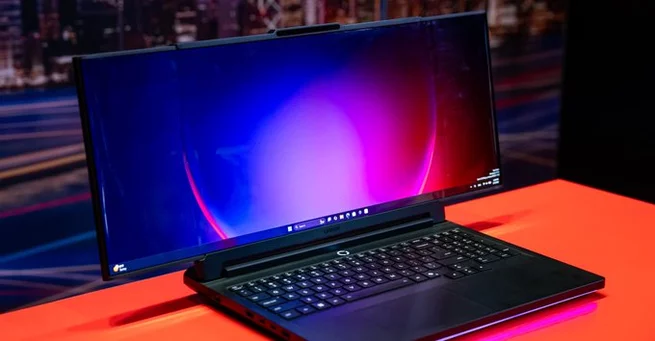
CES 2026 laptops are already answering one big question buyers are asking: what will laptops look like next? The show revealed that innovation is no longer limited to faster chips or thinner frames. Major brands used CES as a playground for experimental designs that rethink how screens, keyboards, and portability work together. From rollable displays to full dual-screen setups, these machines hint at where premium laptops are heading in 2026 and beyond. New processors from Intel, AMD, and Qualcomm set the performance stage, but form factor stole the spotlight. Attendees saw concepts that feel closer to sci-fi than incremental upgrades. For anyone tracking laptop trends, CES 2026 delivered clear signals about the future of mobile computing.
Among the most eye-catching CES 2026 laptops were models featuring rollable displays that physically expand when more screen space is needed. These concepts aim to solve a long-standing problem: balancing portability with productivity. A compact laptop that stretches into a larger workspace could appeal to gamers, creators, and professionals alike. While still prototypes, the engineering behind these rollable panels looked surprisingly refined on the show floor. Manufacturers framed them as practical experiments rather than distant dreams. If durability and cost challenges are solved, rollable laptops could redefine what “portable” really means. CES made it clear this idea is no longer just theoretical.
Asus drew heavy attention with the ROG Zephyrus Duo, one of the most talked-about CES 2026 laptops. Built on the popular Zephyrus G16, the new Duo features two full-size 16-inch OLED displays instead of a single screen plus a narrow secondary panel. This redesign transforms the lower half of the laptop into a true second display, offering a powerful multitasking setup. Gamers can run chats, maps, or streams below while gameplay stays uninterrupted on top. Creators and power users gain a portable multi-monitor workstation. The approach feels far more mature than earlier dual-screen experiments.
OLED technology was everywhere across CES 2026 laptops, signaling a strong industry push toward richer visuals. High refresh rates, deep blacks, and vibrant colors are becoming standard expectations rather than luxury extras. The Zephyrus Duo’s dual 120Hz OLED panels exemplify how display quality is now central to laptop appeal. Manufacturers appear confident that users value screen experience as much as raw performance. This shift aligns with how people use laptops today for gaming, streaming, and creative work. CES confirmed that OLED is no longer niche—it’s becoming the benchmark.
Innovative CES 2026 laptops also highlighted unavoidable tradeoffs. Dual screens and experimental form factors often mean higher prices, added weight, or reduced peak performance compared to traditional models. Brands openly acknowledged these compromises while positioning such devices as premium, specialized tools. The Zephyrus Duo, for example, may not match the raw power of single-screen gaming laptops at the same price. Instead, it offers versatility and workflow advantages. CES showed that manufacturers are betting users will accept compromises for genuinely new experiences. That bet could reshape how laptops are evaluated in 2026.
CES 2026 laptops collectively sent a strong message: the category is entering a creative renaissance. Instead of minor refreshes, companies are experimenting with how laptops look, feel, and function. While not every concept will reach store shelves, many ideas are clearly production-ready. The influence of these designs will likely trickle down into mainstream models over the next year. For consumers, this means more choice and more specialized machines tailored to specific needs. CES 2026 didn’t just preview new laptops—it previewed a new mindset for portable computing.










Comment