Alerts

-
3 minutes, 26 seconds
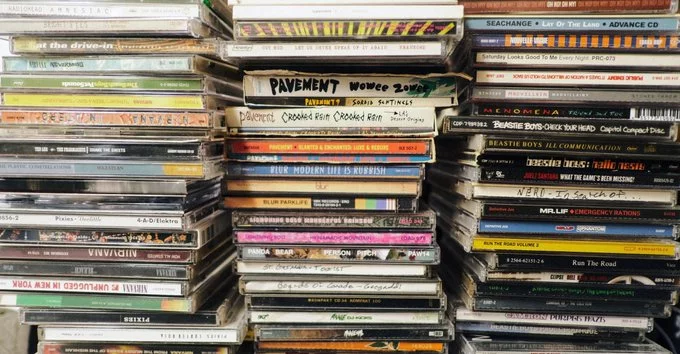
Recent industry data confirms a notable reversal in the compact disc’s fortunes. After years of steady decline, reports indicate that CD sales are experiencing a significant increase, contributing to the broader resurgence of physical media formats. This uptick is not merely a statistical blip; it represents a genuine shift in consumer behavior, with buyers actively seeking tangible ownership of music.
The renewed interest is particularly strong among younger demographics who are discovering the format for the first time, drawn by its album artwork, liner notes, and the ritual of physical playback. This growth sits alongside the parallel revival of vinyl records, suggesting a collective desire for a more deliberate and immersive listening experience than digital streaming typically offers. While the overall market share for CDs remains smaller than its peak, the sustained sales momentum signals that the format has carved out a durable niche in a predominantly digital landscape.
While the CD’s comeback is notable, it does not signal a mass exodus from digital platforms. Streaming services remain the undisputed primary mode of music consumption, and there are no signs of listeners abandoning them. The convenience of accessing vast catalogs on demand, coupled with personalized playlists and algorithmic discovery, has made streaming the default for most audiences. The recent uptick in CD sales is better understood as a complementary trend—a niche desire for physical ownership and tangible artwork—rather than a replacement for the streaming habit. For the vast majority, the subscription model still offers the most practical and cost-effective way to engage with music daily. This enduring preference suggests that the industry’s focus will continue to be shaped by the data and reach of platforms like Spotify and Apple Music, even as physical formats enjoy a resurgence among collectors and audiophiles. As the RIAA notes, streaming revenue still constitutes the overwhelming bulk of the market.
The renewed interest in physical media is not a rejection of convenience but a response to its absence. A key driver is the desire for true ownership. Unlike a streaming library, which can change or disappear with licensing agreements, a CD or record is a permanent asset. Fans are increasingly aware that they are merely renting digital access, making the permanence of a physical disc profoundly appealing.
Beyond ownership, there is the tangible experience. The artwork, liner notes, and the simple act of handling the product create a deeper connection to the music than a pixelated thumbnail ever could. This sensory ritual transforms listening from a passive background activity into a deliberate, focused event.
Finally, the collector appeal cannot be overstated. Limited-edition color variants, deluxe box sets, and reissues turn albums into coveted objects. For many, building a physical library is a way to curate a personal archive and express their identity, a hobby that streaming services have simply failed to replicate.
This shift is forcing artists, labels, and retailers to rethink their strategies. For artists, the physical resurgence offers a new revenue stream and a way to deepen fan connection through tangible products. However, they must balance this with the reality that streaming remains the primary consumption method. Labels are adapting by bundling physical albums with digital downloads or exclusive content to incentivize purchases, while also investing in high-quality vinyl production. Retailers, particularly independent record stores, are benefiting from this trend, but they are also expanding their online presence and offering curated experiences to compete with digital platforms.
To cater to both audiences, the industry is increasingly adopting a hybrid approach. This involves:
Ultimately, the key is recognizing that physical and digital formats are not mutually exclusive but complementary, allowing the industry to maximize both commercial success and cultural impact.








Comment