
Alerts
-
3 minutes, 58 seconds
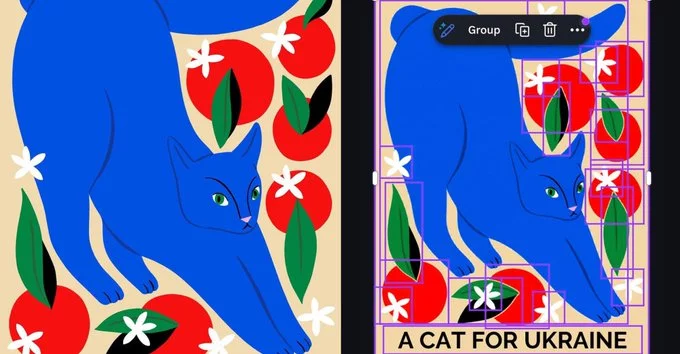
Canva has issued a public apology after users discovered that its new AI-powered Magic Layers feature was automatically replacing the word 'Palestine' in their designs. The incident sparked widespread criticism and raised important questions about bias in artificial intelligence tools.
Users reported that when they typed the word 'Palestine' in a design, Canva’s Magic Layers feature would automatically swap it with other terms like 'Palestinian Territories' or simply remove it. This happened without any user request, causing confusion and anger among designers and activists.
Canva quickly acknowledged the issue and apologized. In a statement, the company said:
The problem likely stems from how the AI was trained. Many AI tools learn from large datasets that may contain biased or incomplete information. In this case, the model may have been taught to avoid or replace certain geopolitical terms, leading to the unwanted censorship of 'Palestine'.
If you use AI design tools like Canva, here are a few tips to protect your work:
This incident is not isolated. Several AI tools have faced backlash for censoring or altering content related to Palestine, including social media algorithms and translation services. It highlights a growing concern: who decides what AI can say or show?
Canva’s apology is a step in the right direction, but the incident serves as a reminder that AI tools need constant oversight. As more creators rely on AI for design and content creation, companies must ensure their technology respects all communities equally.
For now, if you use Canva’s Magic Layers, keep a close eye on your designs – and don’t be afraid to speak up if something feels wrong.









Comment