Alerts

-
3 minutes, 57 seconds
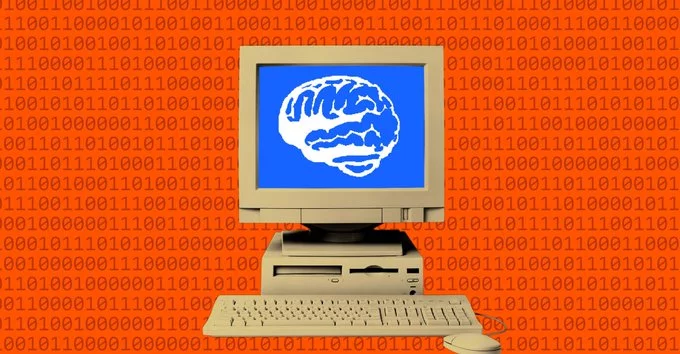
Canonical, the company behind Ubuntu Linux, has revealed a strategic plan to integrate AI features into the operating system throughout 2026. However, the company emphasizes that “Ubuntu is not becoming an AI product.” Instead, these enhancements aim to make Ubuntu smarter and more efficient for users, developers, and enterprises.
Canonical’s roadmap focuses on adding AI capabilities that improve system performance, security, and user experience without changing Ubuntu’s core identity. Key areas include:
The goal is to keep Ubuntu competitive in a rapidly evolving tech landscape. As AI becomes standard in Windows and macOS, Canonical wants to offer similar benefits while preserving Ubuntu’s open-source flexibility. This move also supports the growing demand for AI-ready Linux environments in cloud computing, IoT, and edge devices.
For everyday users, these AI features will likely appear as optional upgrades rather than mandatory changes. You can expect:
Developers will benefit from pre-installed AI toolkits like TensorFlow and PyTorch, reducing setup time. Enterprises can leverage AI for automated server management and predictive maintenance.
No. Canonical has been clear that Ubuntu will remain a general-purpose Linux distribution. The AI additions are designed to enhance, not replace, its core functionality. Think of it as adding smart features to a classic tool—the tool itself doesn’t change, but it works better.
The AI features will roll out gradually through 2026, starting with Ubuntu 26.04 LTS. Canonical plans to release updates via standard system upgrades, so no fresh install is required. Early adopters can test beta versions from 2025.
To make the most of these upcoming features:
Canonical’s plan for AI in Ubuntu Linux is a balanced approach—adding modern capabilities without compromising the open-source ethos. Whether you’re a casual user, developer, or IT manager, these enhancements promise to make Ubuntu more intuitive and powerful. Stay tuned for updates as 2026 approaches.










Comment