
Trending
Trending Hashtags
Alerts
-
3 minutes, 29 seconds
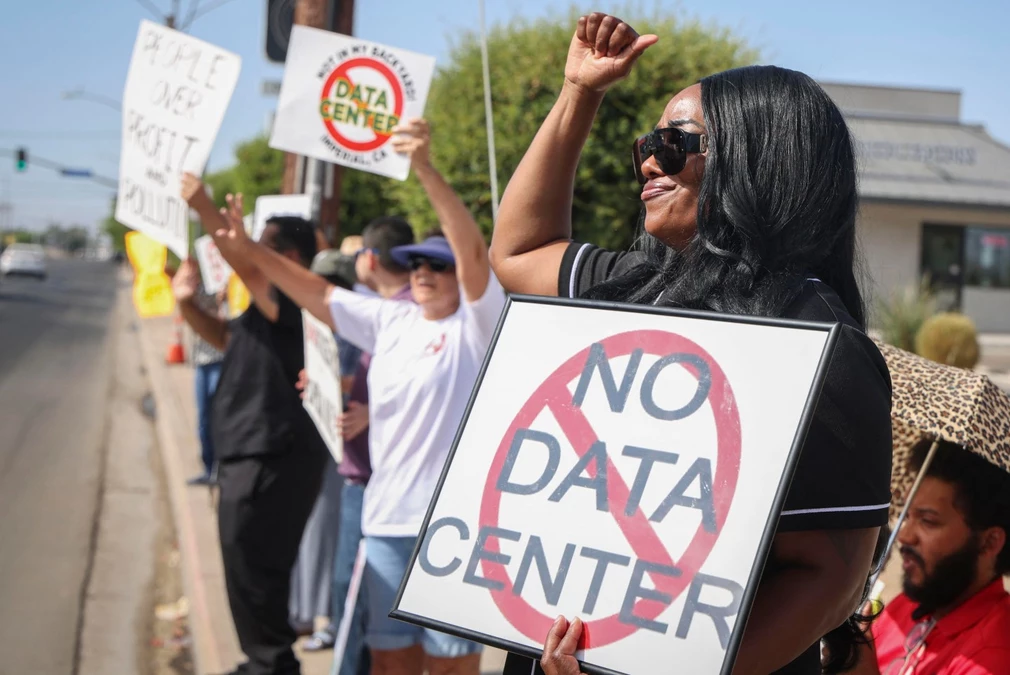
California governor Gavin Newsom signed a package of bills that tightens state rules on the energy and water use of AI data centers. The legislation responds to the rapid buildout of computing facilities driven by the artificial intelligence boom, which has placed growing strain on local power and water systems.
The new rules are designed to change how these facilities are planned, built, and operated within the state. Rather than treating data centers as ordinary commercial customers, the package introduces targeted requirements that reflect their unusually heavy demands on infrastructure.
Under the bills, operators will face new obligations that connect their expansion to the costs it imposes on the grid and on local water supplies. The measures mark one of the most direct attempts by a state government to regulate the resource footprint of AI infrastructure.
For an industry accustomed to rapid, lightly constrained growth, the package signals that California intends to make data center developers account for the energy and water they consume. You can read more about the state's approach in the full coverage.
A central pillar of the legislation is cost responsibility. Under the bills, AI data centers would be required to pay for upgrades to the local energy grid rather than passing those costs on to ordinary ratepayers. This shifts the financial burden of expanding and reinforcing grid infrastructure onto the large facilities that create the additional demand.
The logic is straightforward: when a single data center can draw as much power as a small city, the transmission lines, substations, and related equipment serving it often need costly improvements. The package ensures that the companies driving those upgrades foot the bill.
Supporters argue this approach protects households and small businesses from seeing their utility bills rise to subsidize infrastructure built primarily for AI operators. By assigning upgrade costs directly to the data centers, the rules aim to align who benefits from the grid investment with who pays for it.
This cost-allocation requirement works alongside the package's broader energy and water provisions, reinforcing the principle that the AI industry should bear the infrastructure expenses its growth makes necessary.
AI data centers are unusually demanding on two resources at once: electricity and water. The California rules single them out because their consumption patterns strain local systems in ways ordinary commercial buildings do not. Training and running large models requires continuous, high-density computing, which translates into very large power draws. Cooling that equipment often depends on water, adding a second pressure point.
The package therefore treats energy and water use as the core of the problem it is trying to solve. Rather than addressing only land use or noise, the rules focus on the inputs that make AI facilities different from other developments. That focus is what connects the sections of the package: if a data center's main footprint is the power and water it consumes, then the operator, not the general public, should bear the cost of expanding the systems that supply it.
The signed package imposes several binding requirements on AI data centers in California. Operators must now pay for grid upgrades tied to their facilities, rather than passing those costs to ratepayers. The rules also target energy and water use directly, requiring operators to meet new standards in both areas.
Going forward, these obligations reshape how AI data centers are planned and sited in the state. Key requirements include:
For developers, the practical effect is that the true cost of a project now includes infrastructure it would previously have left to the grid. That changes the math on where and whether to build. For the state, the package shifts a share of the burden onto the industry driving new demand.
How strictly the requirements are enforced, and how quickly they take effect, will determine whether the package meaningfully curbs the strain on California's grid or simply adds a line item to data center budgets.










Comment