Alerts

-
6 minutes, 19 seconds
Searching for what happened with ByteDance’s AI controversy? The company behind TikTok has pledged stronger safeguards after major studios accused its new video generator of copyright violations. Viral clips featuring realistic celebrity likenesses triggered legal warnings from Hollywood giants. Now, ByteDance says it will tighten protections to prevent misuse of intellectual property and avoid a deeper industry clash.
The controversy centers on a new AI video model released by ByteDance, reportedly capable of producing hyperrealistic videos from simple prompts. Within days of going viral, the tool flooded social media with AI-generated scenes featuring famous actors and copyrighted characters.
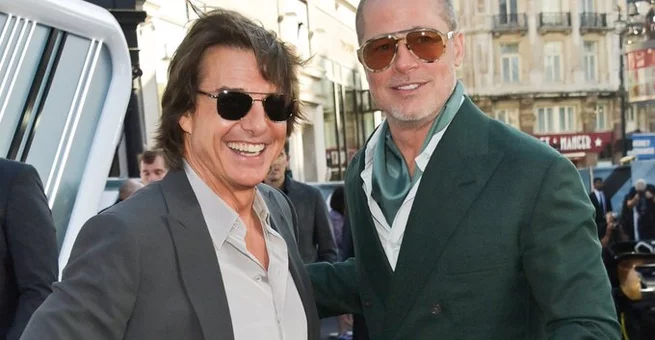
Clips portraying celebrities like Tom Cruise and Brad Pitt spread rapidly online, blurring the line between parody and potential infringement. Users also created mashups involving franchises like Dragon Ball Z, Family Guy, and Pokémon.
What made the backlash escalate quickly wasn’t just the realism—it was the speed at which content circulated. In a matter of days, the model raised alarms across studios already wary of generative AI’s impact on entertainment and copyright law.
Major studios responded swiftly. According to reports, both Disney and Paramount issued formal complaints over the model’s outputs. The core accusation: the AI was reproducing protected intellectual property without authorization.
A cease-and-desist letter from Disney reportedly accused ByteDance of reproducing and distributing derivative works based on its characters. Shortly after, Paramount Skydance followed with similar demands, urging the company to remove infringing content and block future generation of copyrighted material.
This marks another turning point in the growing legal tension between tech firms and entertainment studios. AI-generated media is increasingly testing the boundaries of copyright, leaving companies scrambling to define new legal frameworks.
Facing mounting pressure, ByteDance moved quickly to address concerns. A company spokesperson said the firm “respects intellectual property rights” and is actively strengthening safeguards around the new model.
The response suggests ByteDance is trying to avoid a repeat of past AI controversies that spiraled into lawsuits or regulatory action. By acknowledging studio concerns early, the company appears to be prioritizing industry relationships while protecting its AI roadmap.
Safeguards under review reportedly include tighter content filters, improved detection of copyrighted characters, and more robust user restrictions. While details remain limited, the shift signals a broader industry trend: AI companies are learning that viral growth without guardrails can trigger immediate backlash.
The incident places renewed scrutiny on ByteDance, the parent company of TikTok, which already faces global regulatory pressure. Governments and regulators have been watching closely as AI tools reshape media creation, misinformation risks, and copyright enforcement.
This latest controversy adds a new dimension to ByteDance’s challenges. Unlike past debates centered on privacy or data security, the Seedance dispute directly impacts creative industries and content ownership.
Reports from outlets like CNBC and Deadline indicate studios are increasingly willing to push back early when AI tools threaten established rights. That shift could accelerate new policies across the tech ecosystem.
Beyond ByteDance, the situation reflects a wider transformation happening across the AI industry. Generative video tools are evolving faster than legal systems can adapt, creating friction between innovation and intellectual property law.
Entertainment companies, already affected by streaming disruption and AI-assisted production, see generative models as both an opportunity and a threat. While AI can cut costs and enable new storytelling formats, it also raises fears of unauthorized use of actor likenesses and proprietary characters.
The ByteDance case highlights how quickly public sentiment can shift. Viral AI content may drive engagement, but it can also invite legal action and reputational damage if safeguards lag behind technology.
ByteDance’s decision to revise safeguards could signal a new industry standard. Tech companies developing generative tools may now feel pressure to build stronger protections before releasing powerful models publicly.
For creators and studios, the move may offer reassurance that their concerns are being heard. But it also underscores a growing reality: copyright battles will likely intensify as AI becomes more capable.
Ultimately, the ByteDance AI backlash shows how fragile the balance is between innovation and accountability. As generative video tools mature, companies that succeed will be those that combine cutting-edge technology with clear ethical boundaries—before the next viral moment forces their hand.







Comment