Broadcom Wi-Fi 8 Chips Arrive, Raising Big Questions for Enterprises
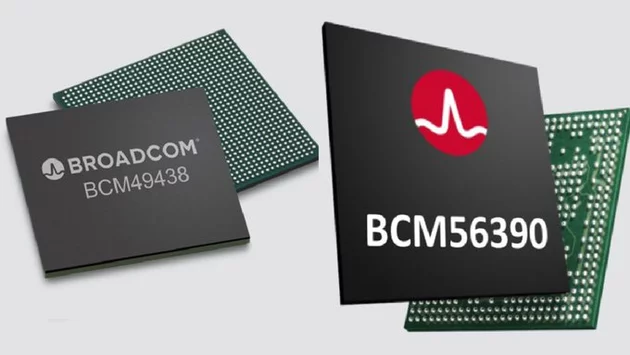
Broadcom Wi-Fi 8 chips are officially on the roadmap, and enterprises are already asking what this means for network upgrades, performance gains, and existing Wi-Fi 7 investments. The newly announced chipsets target access points and campus switches, aiming to deliver faster speeds, better efficiency, and tighter integration across wired and wireless infrastructure. While Wi-Fi 8 promises major long-term improvements, Broadcom is making it clear that this is an evolution rather than an urgent replacement cycle. Organizations planning network refreshes now can breathe easy.
Broadcom Expands Its Enterprise Networking Vision
Broadcom’s latest announcement goes beyond a simple radio upgrade. The company has introduced a full lineup of enterprise-focused Wi-Fi 8 silicon designed to support next-generation access points and switching hardware. This move signals a broader strategy to unify networking components under a more efficient and scalable architecture.
Rather than isolating wireless performance improvements, Broadcom is aligning Wi-Fi 8 development with wired campus infrastructure. This approach helps enterprises manage growing traffic demands from cloud applications, AI workloads, and dense device environments. By covering both ends of the network, Broadcom positions itself as a long-term infrastructure partner rather than a component supplier.
Integrated Access Point Chips Simplify Network Design
One of the most notable changes in the new Broadcom Wi-Fi 8 chips is deeper integration at the access point level. The access point silicon combines processing, networking, and wireless functions into a single device. This consolidation reduces system complexity while improving power efficiency and performance consistency.
For enterprise IT teams, this means simpler hardware designs and potentially lower operational costs. Integrated chips can also improve reliability by minimizing inter-component communication delays. Over time, this architectural shift could make high-performance access points more compact, easier to deploy, and more scalable across large campuses.
Wi-Fi 8 Radio Chips Focus on Efficiency, Not Just Speed
While raw speed often dominates Wi-Fi conversations, Broadcom’s Wi-Fi 8 radio chips emphasize efficiency across busy enterprise environments. These radios are designed to manage multiple simultaneous connections with improved coordination and lower latency. This matters most in offices, campuses, and venues where hundreds or thousands of devices compete for bandwidth.
Instead of chasing headline speeds alone, Wi-Fi 8 focuses on consistent performance under load. That approach aligns with real-world enterprise needs, where stability and predictability matter more than peak throughput. Broadcom’s radio design reflects lessons learned from previous generations deployed at scale.
Campus Switching Chips Complete the Infrastructure Story
Broadcom did not stop at wireless hardware. The company also unveiled new Ethernet switching chips built to support Wi-Fi 8 access points across campus networks. These switches are designed to handle higher aggregate traffic while maintaining low latency and efficient power usage.
By updating switching silicon alongside Wi-Fi radios, Broadcom ensures that wired backhaul does not become a bottleneck. This holistic design helps enterprises prepare for long-term growth without overhauling their entire network stack at once. It also reinforces the idea that Wi-Fi performance depends as much on wired infrastructure as on wireless innovation.
Why Wi-Fi 7 Still Makes Sense for Most Organizations
Despite the excitement around Broadcom Wi-Fi 8 chips, the company is not encouraging immediate upgrades. Wi-Fi 7 remains highly capable and is still early in its adoption cycle. For many enterprises, Wi-Fi 7 hardware will deliver excellent performance for years to come.
Broadcom’s messaging suggests that Wi-Fi 8 is about future-proofing rather than urgency. Early Wi-Fi 8 deployments will likely appear in specialized environments before becoming mainstream. This gives organizations time to maximize returns on existing investments while planning for gradual transitions.
What Broadcom Wi-Fi 8 Chips Mean for the Industry
The introduction of Broadcom Wi-Fi 8 chips marks an important milestone in enterprise networking. It shows where wireless technology is heading, even if widespread adoption is still some distance away. By focusing on integration, efficiency, and full infrastructure support, Broadcom is shaping expectations for next-generation networks.
For decision-makers, the key takeaway is balance. Wi-Fi 8 represents progress, not pressure. Enterprises can confidently deploy Wi-Fi 7 today while keeping an eye on Wi-Fi 8 developments for future upgrades. Broadcom’s roadmap suggests a smoother transition path, reducing the risk of premature or costly network overhauls.
The Bottom Line on Broadcom Wi-Fi 8 Chips
Broadcom Wi-Fi 8 chips promise smarter, faster, and more efficient enterprise networks, but they are not a signal to abandon current deployments. Instead, they offer a glimpse into what’s coming next, with thoughtful design choices that address real-world networking challenges. For now, Wi-Fi 7 remains a strong foundation, while Wi-Fi 8 quietly prepares to take the baton when the time is right.














Comment