
Alerts
-
6 minutes, 58 seconds
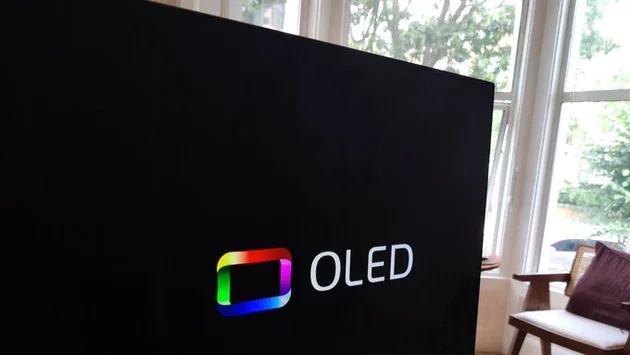
Blue PhOLED OLED technology could soon transform the future of TVs. Long discussed as a “dream upgrade” for OLED displays, blue phosphorescent OLEDs promise better brightness, longer lifespan, and improved energy efficiency. Industry reports now suggest manufacturers are close to mass production, signaling that next-generation OLED TVs may arrive sooner than expected. If successful, blue PhOLED could solve one of the biggest limitations of current OLED panels and reshape premium TV performance.
Blue PhOLED, short for blue phosphorescent OLED, represents a major evolution in display science. Current OLED panels rely on fluorescent blue emitters, which are less efficient than their red and green phosphorescent counterparts. This imbalance forces manufacturers to compensate with complex layering, reducing overall efficiency and longevity.
Phosphorescent blue pixels would allow OLED displays to use energy more efficiently while maintaining brightness. That means TVs could deliver richer colors while consuming less power. For consumers, the benefits are straightforward: better visuals, longer-lasting panels, and potentially lower energy bills.
Experts have considered blue phosphorescent emitters the “missing piece” in OLED technology for years. Now, new production developments suggest that missing piece may finally be falling into place.
Recent industry reports indicate that companies are preparing to manufacture blue PhOLED at scale. According to trade publication The Elec, a South Korean OLED manufacturer has secured production facilities for its own variation of blue phosphorescent technology.
This signals a shift from research to commercialization. Developing blue phosphorescent materials has historically been difficult due to stability challenges. Blue light requires higher energy, making it harder to maintain longevity without degrading performance.
Still, multiple manufacturers are racing toward the same milestone. Once mass production begins, competition could accelerate adoption across the display industry.
Blue PhOLED could unlock three major upgrades for OLED TVs: efficiency, lifespan, and color accuracy.
First, efficiency gains could be significant. OLED displays already outperform many LCD panels in contrast and black levels, but they often consume more power at high brightness. Blue phosphorescent emitters could reduce energy usage while maintaining premium brightness levels.
Second, lifespan improvements may address a common concern among buyers. Blue OLED materials historically degrade faster than red and green pixels. A phosphorescent solution could balance wear across colors, extending overall panel durability.
Third, color purity may improve. With more efficient blue light emission, displays could achieve wider color gamuts and better HDR performance. That translates into more vivid images, especially for cinematic content and high-end streaming.
Major display makers have been working toward blue PhOLED for years. LG Display previously announced it had achieved a “commercialization-level” blue phosphorescent panel, suggesting readiness for real-world deployment.
Meanwhile, Samsung has also shown strong interest in phosphorescent OLED technology. As one of the world’s largest display innovators, Samsung’s involvement signals confidence that blue PhOLED is nearing viability.
The growing momentum across multiple companies suggests this is not an experimental concept anymore. Instead, it’s evolving into a competitive battleground that could define the next wave of premium displays.
While production progress is promising, widespread consumer adoption may still take time. New display technologies often debut in high-end products before becoming mainstream. That means early blue PhOLED TVs may appear in premium models first.
Historically, OLED innovations follow a predictable path: launch in flagship TVs, expand into mid-range models, then trickle down into other devices like laptops and smartphones. Blue phosphorescent panels will likely follow the same trajectory.
Still, signs point to faster adoption than previous OLED breakthroughs. With multiple manufacturers pushing toward commercialization simultaneously, the timeline could accelerate compared to past innovations.
If blue PhOLED delivers on its promises, the ripple effects could be massive. OLED TVs already dominate the high-end market due to their perfect blacks and infinite contrast ratios. Improving efficiency and durability would make them even more appealing.
Lower power consumption could also make OLED more competitive in regions with strict energy regulations. That may expand adoption beyond enthusiast buyers and into mainstream households.
Additionally, longer panel lifespan could reduce burn-in concerns. While modern OLED TVs have improved significantly, lingering fears still affect buying decisions. Blue phosphorescent emitters may help eliminate that hesitation.
Blue PhOLED has been a buzzword among display enthusiasts for years, often discussed as the final frontier for OLED evolution. The latest production developments suggest the wait may finally be ending.
As manufacturers prepare for mass production, consumers could soon experience OLED TVs that are brighter, more efficient, and longer-lasting than ever before. While timelines remain fluid, industry momentum is unmistakable.
If commercialization proceeds as expected, blue PhOLED may mark one of the most important upgrades in OLED history — transforming not just TVs, but the future of premium displays across devices.










Comment