Alerts

-
4 minutes, 15 seconds
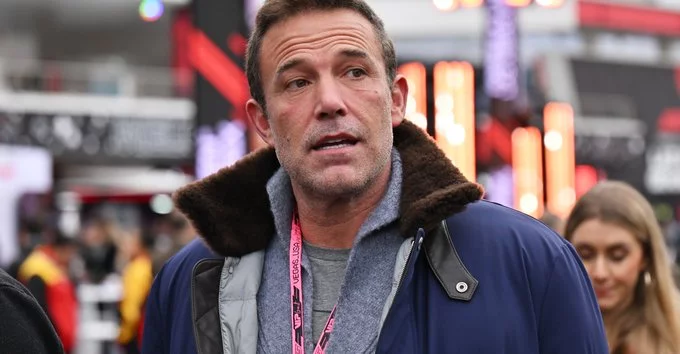
Filmmakers are exploring new frontiers as bespoke AI models enter the industry. Unlike traditional generative AI that often produces inconsistent or generic results, these customized tools aim to enhance every stage of film production. Creatives are asking: Can AI actually empower filmmakers without replacing them? Early signs suggest the answer is yes, especially as major studios invest in AI startups that focus on precision, control, and collaboration.
Netflix recently made headlines by acquiring Ben Affleck’s AI startup, InterPositive, for an estimated $600 million. While Netflix has experimented with generative AI in the past, this move signals a strategic commitment to integrating AI as a creative partner rather than a replacement. The company emphasizes that InterPositive’s models are designed to complement human creativity on set.
What sets these bespoke AI models apart is their focus on real-world filmmaking workflows. InterPositive’s team captured a proprietary dataset on a controlled soundstage, mimicking the conditions of a professional production. This allows the AI to understand the language, timing, and nuances that cinematographers and directors rely on.
Ben Affleck explained that the goal was to develop a model that “captures what happens on a set, with vocabulary that matches the language filmmakers already use.” This approach provides consistency, predictable results, and control—critical features that generic AI tools often lack. By training AI on actual production footage, teams can generate high-quality visuals while maintaining creative intent.
Traditional AI image and video models often struggle with complex storytelling and creative subtleties. Models like Sora, Veo, and Runway can generate visuals quickly, but they rarely meet professional standards for entertainment production. Bespoke AI models are designed to bridge that gap, allowing filmmakers to tailor outputs for specific scripts, scenes, or stylistic choices.
This customization reduces the risk of copyright conflicts and makes AI a genuine collaborator rather than a crude automation tool. Producers can experiment with different visual styles, camera angles, or even actor movements, all within a controlled AI environment. The result is a workflow that accelerates production while preserving the director’s artistic vision.
Netflix has framed its acquisition of InterPositive as a way to empower filmmakers. Internal deployment plans remain under wraps, but the company emphasizes that its AI models will act as supportive tools, not replacements. For Hollywood, this represents a shift from fear of AI to strategic adoption. Studios now have the opportunity to harness bespoke AI to streamline production, enhance creativity, and reduce costs—all while keeping human judgment at the core.
As bespoke AI models gain traction, filmmakers are starting to see the potential for truly collaborative workflows. From pre-visualization to final edits, AI is becoming an indispensable assistant that understands the intricacies of real-world filmmaking. With tailored solutions now entering mainstream studios, Hollywood is poised to enter a new era of innovation where AI and human creativity coexist seamlessly.






Comment