
-
4 minutes, 55 seconds
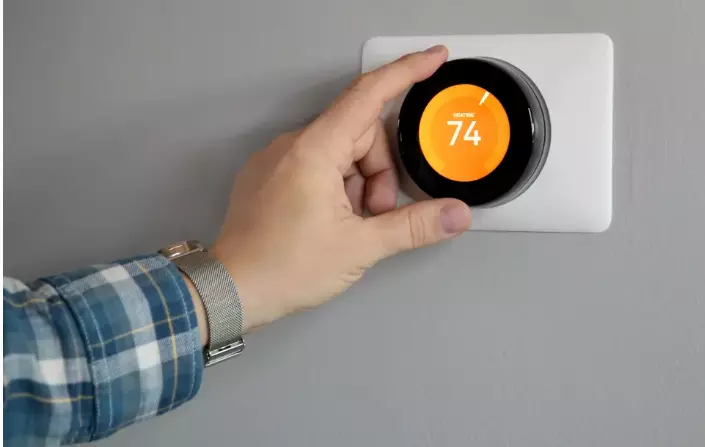
Thermostat leadership is quickly emerging as a critical factor in workplace performance—and many leaders are still overlooking it. Research shows that the emotional climate set by leadership directly impacts productivity, creativity, and decision-making. In simple terms, how a leader feels and behaves doesn’t stay personal—it spreads across the team. If you’ve ever noticed a shift in mood when a manager walks into a room, you’ve already seen this effect in action. The question is whether leaders are shaping that climate intentionally or letting it happen by default.
For years, emotional tone in the workplace was treated as a “soft” factor. Today, evidence suggests it’s anything but. A leader’s mood can influence how teams communicate, solve problems, and take risks. When the environment feels tense or uncertain, employees naturally become more cautious. This shift reduces openness and slows innovation. On the other hand, a stable and positive climate encourages collaboration and better outcomes.
The concept of emotional contagion explains why leadership behavior matters so much. Studies in neuroscience and organizational psychology show that people unconsciously absorb the emotions of those around them. This process happens quickly and often without awareness. When leaders project stress or anxiety, teams pick up on it almost instantly. The result is a ripple effect that can either strengthen or weaken overall performance.
There are two distinct leadership styles when it comes to emotional climate. Thermometer leaders react to pressure and reflect it back onto their teams. They absorb stress from external challenges and unintentionally amplify it. In contrast, thermostat leaders regulate the environment. They remain steady under pressure and consciously decide what emotional signals to send. This ability to hold a consistent tone can make a significant difference during periods of uncertainty.
When fear becomes part of the workplace environment, the consequences are immediate and measurable. Employees begin to hold back ideas, avoid risks, and focus on self-preservation. Decision-making slows, and collaboration weakens. Over time, this creates a culture where innovation struggles to survive. Even highly skilled teams can underperform when psychological safety is compromised.
Managing emotions is not about suppressing them—it’s about directing them effectively. Leaders who practice emotional regulation create conditions where teams can think clearly and act confidently. This doesn’t mean pretending everything is fine. Instead, it involves acknowledging challenges while maintaining composure. That balance builds trust and reassures teams that obstacles can be managed.
One of the most overlooked aspects of leadership is the silent influence of presence. Even without speaking, leaders communicate through tone, body language, and energy. Teams are constantly interpreting these signals. A calm and focused presence can stabilize a room, while visible stress can do the opposite. This influence operates in the background but shapes outcomes in powerful ways.
Thermostat leadership highlights a simple but powerful truth: leaders don’t just manage tasks—they shape environments. Before entering any meeting or conversation, it’s worth asking what emotional signal you’re about to send. In high-pressure situations, teams don’t need perfection or constant positivity. They need steadiness. Because when leaders control the emotional climate, they create the conditions for teams to perform at their best.

7.9K articles

1.4K articles

34 articles

28 articles














Comment