
Alerts
-
3 minutes, 30 seconds
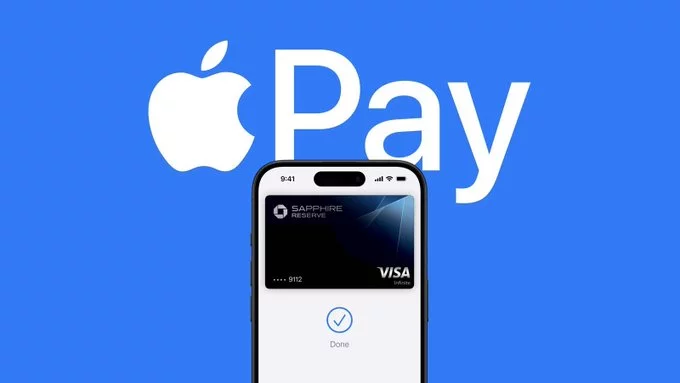
Banks and credit unions are joining forces to push back against Apple Pay fees, signalling a rare moment of collective action among financial institutions that normally compete for the same customers. The alliance reflects mounting unease with Apple's expanding role in the payments ecosystem, where the company sits between consumers and their accounts while collecting fees from the banks that issue the cards.
For smaller institutions in particular, those fees chip away at already thin margins on card programs, and the sense that Apple dictates terms without meaningful negotiation has turned a routine cost dispute into a broader question of leverage. By coordinating rather than negotiating individually, banks and credit unions hope to present a united front and force a more balanced conversation about how mobile wallet economics are shared.
The coalition's formation matters beyond the immediate fee fight. It shows that financial institutions are willing to organise when they believe a technology partner has grown too powerful, setting the stage for a more confrontational relationship with Apple in the years ahead.
The friction is not new, but its scale is. When Apple Pay launched, Apple struck deals that gave card issuers a familiar incentive: the tech giant would take a small cut of each transaction in exchange for bringing the wallet to market. For years, that arrangement was tolerable for many banks. Volume was modest, fraud was low, and the fee was widely treated as a cost of doing business in mobile payments.
What changed is Apple's growing payments power. As tap-to-pay habits spread and Apple Pay became the default wallet on hundreds of millions of devices, the same fee began to look less like a partnership and more like a toll. Financial institutions now find themselves paying Apple a recurring share of interchange revenue on transactions they already process, while Apple controls the customer experience at the point of sale.
The backlash reflects a deeper concern: a handful of banks argue that a single technology company has accumulated leverage over how consumers pay, without bearing the same regulatory burden or competitive exposure as the institutions issuing the cards.
The alliance of banks and credit unions signals a coordinated effort to challenge Apple Pay fees, reflecting broader concerns about Apple's growing payments power. Rather than individual institutions negotiating separately with Apple, this collective approach gives financial institutions a unified voice when pushing back against the costs associated with offering Apple Pay to their customers.
This coordination matters for several reasons:
The move reflects broader concerns about Apple's growing payments power, not just the fees themselves. When so many institutions feel compelled to organize together, it suggests the relationship between Apple and the financial sector is shifting — from partnership toward a more contested negotiation over terms, control, and cost.
The outcome of the pushback against Apple Pay fees remains to be seen, but the alliance of banks and credit unions highlights ongoing tensions over Apple's growing payments power. As more consumers adopt tap-to-pay and mobile wallets, financial institutions face a difficult calculation: absorb the costs Apple imposes, or risk losing access to a payment method their customers increasingly expect.
The coalition's demands could force a broader conversation about how much control a single technology company should have over the rails of everyday commerce. Regulators may also take interest, particularly as the same fee disputes surface in other markets where Apple Pay operates.
For now, the standoff signals that the relationship between Apple and the financial sector is entering a more contested phase. Whether the banks and credit unions secure concessions, or Apple holds its ground, the dispute is likely to shape the terms on which mobile payments evolve in the years ahead.










Comment