
Alerts
-
9 minutes, 1 second
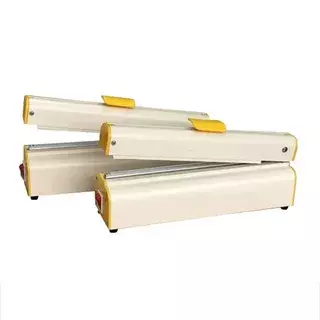
For businesses that package products daily, maintaining consistent quality while keeping operating costs under control is essential. Bag Sealers provide a practical solution for companies that need secure, neat, and dependable packaging without making their production processes unnecessarily complicated. From independent retailers to large manufacturing facilities, the right sealing equipment can help improve workflow, reduce packaging waste, and maintain a professional finish.
In the UK, businesses face increasing pressure to manage expenses while meeting customer expectations. Investing in reliable Bag Sealers can help companies achieve a better balance between packaging quality and operational efficiency. Whether you operate an online shop, food business, warehouse, or manufacturing facility, choosing suitable equipment can help protect products during storage, handling, and delivery. The key is to select a solution that matches your packaging materials, production volume, and budget.
Packaging involves more than placing a product inside a bag. Businesses must ensure that products remain properly enclosed, look presentable, and are ready for storage or dispatch. Bag Sealers simplify this process by creating consistent closures that help prevent bags from opening accidentally during routine handling. This can be particularly valuable for businesses that process orders throughout the day.
For companies managing regular shipments, reliable Bag Sealers can reduce the time spent closing individual packages. Depending on the machine type and operator experience, sealing may become faster and more consistent than relying on manual alternatives. This can help businesses manage busy periods, maintain smoother workflows, and reduce unnecessary delays without immediately investing in a fully automated packaging line.
Another important advantage of Bag Sealers is improved control over packaging quality. When the temperature, pressure, and sealing time are appropriate for the packaging material, businesses can achieve more consistent results. Regular inspection of completed seals remains important because incorrect settings, damaged components, or unsuitable bags may affect the final outcome.
Different businesses have different packaging needs, which means one machine will not necessarily suit every operation. Bag Sealers are available in several designs, ranging from simple manual equipment to advanced industrial systems. Understanding the available options helps businesses select suitable equipment without paying for unnecessary features.
A Plastic bag sealing machine is commonly used to close compatible plastic bags securely. It can be suitable for retailers, e-commerce businesses, product distributors, and companies packaging lightweight goods. Depending on the design, businesses may choose a compact tabletop machine for smaller workloads or a more advanced model for frequent packaging tasks.
When comparing Bag Sealers for plastic packaging, businesses should examine the supported film types, maximum sealing width, operating method, and expected workload. Not every machine is compatible with every plastic material, so checking the manufacturer's specifications before purchasing is essential. Choosing a suitable machine can help improve packaging consistency while keeping everyday operations straightforward and cost-effective.
A Heat sealer for packaging bags uses controlled heat to bond compatible thermoplastic materials. These machines are commonly used when businesses require a clean and uniform closure for products such as clothing, accessories, components, and certain food-related items, provided the packaging material and equipment are appropriate for the intended application.
When selecting heat-based Bag Sealers, buyers should consider temperature adjustment, sealing duration, pressure, and packaging thickness. These factors influence the quality of the finished seal. Adjustable settings can be particularly useful for businesses working with different bag sizes or materials. Before purchasing, it is sensible to test the machine with the actual packaging materials used in daily operations.
Commercial bag sealing equipment is designed to support businesses with regular packaging demands. Depending on the model, this equipment may offer enhanced durability, convenient controls, or features that help operators process larger quantities of bags. It can be useful for wholesalers, fulfilment centres, retail businesses, and companies preparing orders for dispatch.
When investing in commercial Bag Sealers, businesses should consider their average daily packaging volume, available workspace, operator training requirements, and maintenance needs. A machine that matches the actual workload can provide better value than an expensive model with features the business rarely uses. Evaluating these factors helps buyers make practical decisions based on their operational priorities.
A Poly bag sealing machine for packaging can be useful for companies that package products in compatible polyethylene or other suitable polymer bags. These machines may support packaging tasks involving clothing, hardware, spare parts, accessories, and general retail products. The appropriate choice depends on the specific bag material and the type of closure required.
Before investing in Bag Sealers for poly bags, businesses should verify the recommended material specifications and operating settings. Bag thickness and composition can influence sealing performance, so the equipment must be compatible with the packaging being used. Confirming these details before ordering can help avoid unnecessary expenses and reduce the risk of purchasing unsuitable machinery.
Industrial bag closing and sealing tools are designed for demanding environments where durability and consistent performance are important. Depending on the application, these tools may support continuous operation, larger production runs, or specialised bag formats. They can be valuable for manufacturers, distributors, and other businesses with substantial packaging requirements.
When comparing industrial Bag Sealers, businesses should assess production capacity, maintenance access, replacement parts, and technical support. It is also important to confirm that the machine is suitable for the intended packaging material and operating environment. Selecting appropriate industrial equipment can help support productivity while reducing the disruption associated with unsuitable machinery or frequent maintenance.
Choosing packaging equipment involves more than comparing purchase prices. Affordable Bag Sealers should provide the performance, reliability, and flexibility required by the business. A machine with a low initial price may seem attractive, but frequent repairs, wasted packaging materials, and slow operation can increase the total cost over time.
The first step is to identify the types of bags used, the dimensions of the packages, and the average daily production volume. Businesses should then determine whether manual, semi-automatic, or automated Bag Sealers are appropriate for their workflow. A small retailer may only need a straightforward tabletop model, while a high-volume manufacturer may require equipment designed for more intensive use.
Buyers should also calculate the total cost of ownership. This includes the purchase price, energy consumption where applicable, routine maintenance, replacement components, operator training, and possible downtime. Asking suppliers about warranty coverage, servicing arrangements, and spare-part availability can provide a clearer picture of the long-term investment.
Ease of use is another important consideration when selecting Bag Sealers. Clear controls, practical adjustment options, and accessible maintenance points can simplify training and support consistent results. Where possible, businesses should request a demonstration or test the equipment using their own packaging materials before making a final decision.
Even high-quality Bag Sealers can produce poor results when used incorrectly or paired with unsuitable materials. One common mistake is purchasing a machine without checking bag compatibility. Different films may require different temperature settings, pressure levels, or sealing times, making it essential to review the manufacturer's recommendations before operating the equipment.
Another mistake is overlooking routine maintenance. Residue on sealing surfaces, worn components, and incorrect machine settings can affect the finished closure. Following the manufacturer's cleaning and servicing instructions helps businesses maintain consistent packaging quality and reduce avoidable interruptions.
Companies should also avoid choosing Bag Sealers based solely on advertised speed. A fast machine is not necessarily the best option if it cannot handle the required packaging format or deliver the expected seal quality. Evaluating speed alongside durability, ease of use, material compatibility, and operating costs provides a more balanced basis for purchasing decisions.
Businesses must also understand that sealing a bag does not automatically make it leakproof, tamper-evident, or suitable for food contact. These properties depend on the packaging material, seal design, equipment, and relevant standards. Products with specific safety or hygiene requirements may need specialised equipment and appropriate testing before being introduced into regular production.
Packaging influences how customers perceive a business. Poorly closed bags, inconsistent seals, and damaged packaging can create avoidable problems during storage and delivery. Suitable Bag Sealers help businesses maintain a consistent presentation and support dependable packaging practices across different product categories.
Equipment reliability is particularly important when packaging forms part of a larger production process. Unexpected breakdowns can delay orders, affect employee productivity, and increase operating expenses. Selecting Bag Sealers that match the expected workload, maintaining them correctly, and checking product specifications before purchase can help businesses reduce these risks.
For UK businesses, supplier transparency is another factor worth considering. Clear product information, realistic delivery expectations, understandable warranty terms, and accessible after-sales support make it easier to compare available solutions. Rather than focusing exclusively on the lowest price, buyers should look for equipment that offers a sensible balance of performance, durability, and ongoing support.
Choosing packaging equipment can feel challenging when several machines appear suitable for the same application. The most practical approach is to start with the business's specific requirements and compare available options against those needs. vanderstahl can be included in the supplier research process when evaluating packaging equipment, with buyers encouraged to confirm relevant product specifications, availability, warranty coverage, and support arrangements directly.
Before purchasing Bag Sealers, businesses should establish their requirements for bag material, sealing width, daily output, operating environment, maintenance, and budget. Comparing machines against these criteria helps identify suitable options without spending money on unnecessary features. It also gives purchasing teams a clearer basis for assessing whether a particular model will meet their operational requirements.
It is worth asking suppliers about material compatibility, recommended machine settings, and the availability of technical guidance. These details are particularly important for businesses that package different products or use several types of bags. By researching options carefully and prioritising long-term value, companies can select Bag Sealers that support their packaging workflow and commercial objectives.
Reliable packaging does not have to involve unnecessary expense. The right Bag Sealers can help UK businesses improve sealing consistency, manage packaging waste, and streamline everyday operations. The most suitable option depends on the packaging material, production volume, required seal quality, and available budget.
Whether a business needs a Plastic bag sealing machine for a small retail operation or Industrial bag closing and sealing tools for a demanding manufacturing environment, comparing specifications and operating costs is essential. Buyers should verify material compatibility, maintenance requirements, warranty coverage, and supplier support before committing to a purchase.
With careful planning and suitable equipment, businesses can make informed packaging decisions, maintain professional standards, and improve operational efficiency. The objective is not simply to purchase the cheapest machine but to invest in Bag Sealers that provide dependable performance, practical functionality, and long-term value.



Comment