
Trending
Trending Hashtags
Alerts
-
4 minutes, 4 seconds
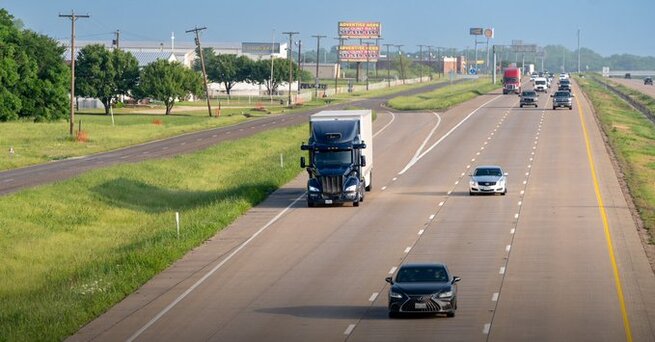
Aurora, the Pittsburgh-based autonomous trucking startup, is preparing for a major milestone: deploying hundreds of driverless trucks across the U.S. by the end of 2026. CEO Chris Urmson confirmed that the company’s next-generation hardware is ready, signaling a pivotal moment after a year marked by delays and operational adjustments. The announcement has reignited interest in autonomous trucking, which has faced both technological and regulatory hurdles over the past several years.
Originally aiming for a 2024 launch, Aurora postponed commercial operations until April 2025. Shortly after, safety drivers were temporarily reintroduced in the cabs at the request of the truck manufacturer, sparking speculation about the company’s progress. Urmson emphasizes, however, that this move was purely for optics and did not affect the underlying technology. “Operationally, it has no bearing on Aurora’s progress,” he said, highlighting that 2025 focused on building a scalable system for nationwide deployment.
Aurora plans to go from a limited fleet today to hundreds of trucks by the end of next year. Urmson outlined a roadmap for 2026 that prioritizes scaling operations across major routes in the Sun Belt, a region ideal for autonomous trucking due to its extensive highway networks. This ambitious plan reflects Aurora’s confidence in its ability to overcome industry-wide challenges that have slowed mass adoption.
Driverless trucks were once expected to lead autonomous vehicle adoption, thanks to simpler highway environments compared with urban streets. Yet, companies like Embark Trucks, TuSimple, and Locomation have struggled or shut down due to regulatory and funding obstacles. Aurora’s persistence underscores the difficulty of translating experimental technology into commercial reality. Public perception also remains cautious, with safety concerns shaping adoption timelines.
Aurora’s confidence stems from advances in its proprietary hardware and software. The company has focused on creating a system that not only navigates highways safely but can scale efficiently for commercial fleets. Urmson stresses that the new generation of trucks is built with long-term reliability in mind, addressing both technical and logistical complexities inherent to autonomous freight.
As Aurora moves toward full-scale deployment, the trucking industry watches closely. Success could redefine logistics in the U.S., making long-haul routes safer and more cost-efficient. The company’s roadmap also sets a benchmark for competitors, highlighting the delicate balance between innovation, regulation, and public trust in driverless technology.
While the road ahead is challenging, Aurora’s trajectory offers hope for a transformative year in autonomous trucking. With hundreds of trucks expected on the road by 2026, the company is poised to demonstrate that driverless freight is not just a vision—but a near-future reality. Industry stakeholders, regulators, and consumers alike will be closely monitoring whether Aurora can turn years of development into operational success.










Comment